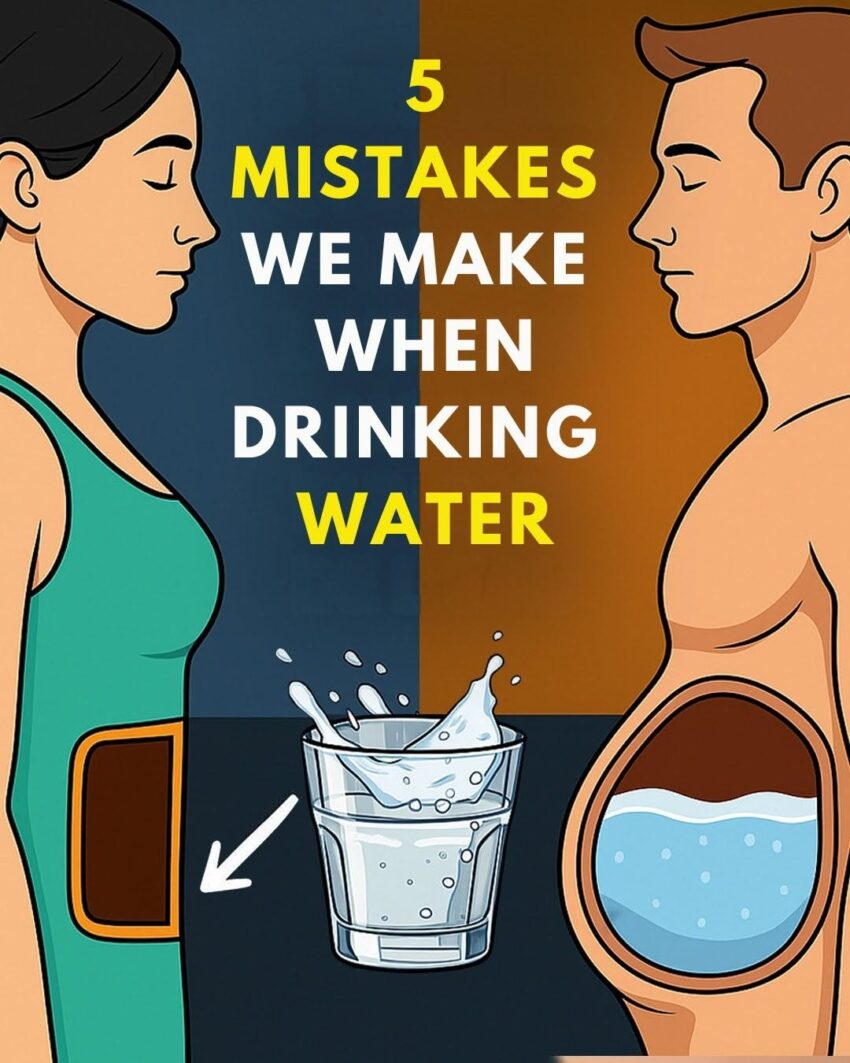
Learn how to drink water properly, how much you may need, the best times to hydrate, and common hydration mistakes to avoid for better health.
Water is essential for almost every function in the body. It helps regulate body temperature, supports digestion, carries nutrients, lubricates joints, and helps the kidneys remove waste.
But healthy hydration isn’t simply about drinking as much water as possible. How and when you drink water matters too. Drinking regularly throughout the day and responding to your body’s thirst can help you stay adequately hydrated without overdoing it.
1. Drink Water Regularly Throughout the Day
Instead of waiting until you’re extremely thirsty, make hydration a regular habit.
Keep water available while you’re working, studying, traveling, or exercising. Taking smaller amounts throughout the day can be easier than trying to drink a large quantity at once.
Your fluid needs vary depending on your body size, activity level, climate, diet, and health conditions.
2. Start Your Day With Water
After several hours of sleep, you may wake up somewhat dehydrated because you haven’t had anything to drink overnight.
Having a glass of water when you wake up is a simple way to begin your daily fluid intake.
There is no need to add special ingredients or drink an unusually large amount. Plain water is perfectly adequate.
3. Drink More When You Sweat
Exercise, hot weather, fever, vomiting, and diarrhea can all increase fluid losses.
If you’re exercising or spending time in a hot environment, drink fluids regularly and pay attention to thirst and how much you’re sweating.
For prolonged or intense exercise, particularly in hot conditions, electrolytes may also become important. Water alone isn’t always sufficient when substantial amounts of sodium and other electrolytes are lost through sweat.
4. Drink With Meals if You Like
Drinking water with meals is generally safe and can contribute to your daily fluid intake.
The idea that drinking water during meals “stops digestion” is not supported by good evidence. Your digestive system is designed to handle food and fluids together.
Water can also help soften food and make swallowing easier.
5. Don’t Force Yourself to Drink Excessive Amounts
More water isn’t always better.
Drinking an excessive amount of water in a short period can dilute the sodium concentration in your blood, potentially causing a dangerous condition called hyponatremia.
Rather than forcing yourself to reach an arbitrary amount, spread your fluid intake throughout the day and consider thirst, activity, weather, and your individual health needs.
6. Pay Attention to Your Urine
Urine color can provide a rough indication of hydration.
Very dark yellow urine can occur when you’re dehydrated, while pale-yellow urine commonly indicates adequate hydration.
However, urine color can also be affected by medications, supplements, foods, and certain medical conditions, so it shouldn’t be treated as a perfect hydration test.
7. Choose Water More Often Than Sugary Drinks
Water provides hydration without added sugar or calories.
Replacing some sugary drinks with water can be a simple way to reduce excess sugar intake. Unsweetened tea and other low- or no-calorie beverages can also contribute to your overall fluid intake.
8. Carry Water When You’re Away From Home
A reusable water bottle can make hydration easier because you’ll have water available when you’re thirsty.
This can be particularly useful during travel, outdoor activities, exercise, or long periods away from home.
How Much Water Should You Drink?
There isn’t one exact amount that is appropriate for every person.
Fluid requirements depend on factors such as:
- Age
- Body size
- Physical activity
- Temperature and humidity
- Pregnancy or breastfeeding
- Diet
- Illness and fever
- Medications
- Kidney, heart, or other medical conditions
Also remember that food contributes to your total fluid intake. Fruits, vegetables, soups, yogurt, and other foods contain significant amounts of water.
Common Water-Drinking Mistakes
Drinking a huge amount at once
Your body can only process fluids at a certain rate. Spreading your intake across the day is generally more sensible than rapidly consuming large quantities.
Waiting until you’re severely thirsty
Thirst is useful, but in some circumstances—such as older age, intense exercise, or illness—it may not reliably signal your fluid needs.
Assuming everyone needs the same amount
A fixed “eight glasses” rule doesn’t account for differences in body size, climate, activity, diet, and health.
Ignoring special medical circumstances
People with certain kidney, heart, or liver conditions may have specific fluid restrictions. They should follow their healthcare professional’s advice rather than increasing water intake based on general recommendations.
Is Drinking Water Before Bed a Good Idea?
A small amount of water before bed is fine if you’re thirsty. However, drinking a large amount immediately before sleeping may cause you to wake up during the night to urinate.
If nighttime urination is already a problem, consider discussing it with a healthcare professional rather than simply restricting fluids excessively.
The Bottom Line
Healthy hydration doesn’t require complicated rules. Drink regularly, respond to thirst, increase fluids when you’re losing more through sweat or illness, and avoid forcing excessive amounts of water.
For most healthy adults, a combination of water and other beverages plus water-rich foods provides the body’s daily fluid needs. If you have a medical condition that affects fluid balance, your ideal intake may be different and should be individualized with professional advice.