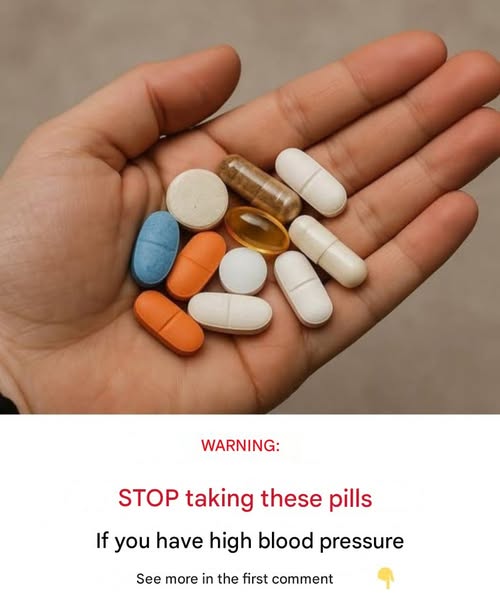
Some common medicines and supplements can raise blood pressure or make hypertension harder to control. Learn which pills deserve caution, why they can affect blood pressure, and what to do safely.
High blood pressure can be difficult to notice because it often causes no obvious symptoms. Yet some everyday medicines, over-the-counter products, and supplements can make blood pressure harder to control.
But there’s an important warning about the headline “STOP taking these pills.”
Never stop a prescribed medication on your own. Some medicines that can affect blood pressure are also essential for treating serious medical conditions, and suddenly stopping certain drugs can be dangerous. The American Heart Association specifically advises people not to stop prescribed medicines without speaking with their healthcare professional.
Instead, learn which medicines may require extra caution.
1. Decongestants
Cold and sinus medicines containing pseudoephedrine or phenylephrine can raise blood pressure because they constrict blood vessels.
People with severe or uncontrolled hypertension are generally advised to avoid these medications or use alternatives when appropriate.
Before taking a cold or flu product, check the active ingredients carefully.
A product marketed as a “cold and flu” treatment may contain several different medications.
What can you use instead?
Depending on your symptoms, your healthcare professional or pharmacist may recommend options such as saline nasal spray or another treatment that is less likely to affect blood pressure.
2. NSAID Painkillers
Common NSAIDs include:
- Ibuprofen
- Naproxen
- Diclofenac
- Celecoxib
These medications can increase blood pressure in some people and may also affect kidney function.
The risk can be particularly important in people with kidney disease, heart failure, or poorly controlled hypertension. Current hypertension guidance recommends avoiding systemic NSAIDs when possible and considering alternatives based on the individual situation.
That doesn’t mean everyone must completely avoid an NSAID. Ask your doctor or pharmacist before using these medicines regularly.
3. Steroid Medicines
Systemic corticosteroids such as:
- Prednisone
- Prednisolone
- Methylprednisolone
- Dexamethasone
can contribute to higher blood pressure.
However, these medicines are prescribed for many important medical conditions. Don’t suddenly stop a steroid without medical advice, particularly if you’ve been taking it regularly.
Your healthcare professional can determine whether the dose should be adjusted or whether another treatment is appropriate.
4. Some Antidepressants
Certain antidepressants can affect blood pressure.
This does not mean people with hypertension should stop antidepressants. Instead, doctors consider the particular medication, dose, blood-pressure readings, and overall health when choosing treatment.
If your blood pressure became harder to control after starting or changing a psychiatric medication, tell your healthcare professional.
5. Some Birth-Control Pills
Certain hormonal contraceptives can increase blood pressure in some people.
The 2025 hypertension guideline recommends avoiding oral contraceptives in women with uncontrolled hypertension and considering alternatives when appropriate.
Never discontinue contraception without discussing alternatives if pregnancy prevention is important to you.
6. Stimulant Medications
Some stimulant medicines, including certain medications used for ADHD, can increase blood pressure or heart rate.
If you take a stimulant and have hypertension, your healthcare professional may monitor your blood pressure and determine whether your medication and dose remain appropriate.
Do not stop prescribed stimulant medication without medical guidance.
7. Certain Supplements and Herbal Products
“Natural” doesn’t automatically mean “blood-pressure safe.”
Products containing ephedra/Ma Huang, for example, can increase blood pressure and are recommended against in current hypertension guidance. Black licorice can also raise blood pressure.
Always tell your doctor or pharmacist about supplements, herbal products, and energy products you’re using.
8. Medicines Containing Extra Sodium
Some medications, including certain effervescent or soluble preparations, can contain significant amounts of sodium.
Because excess sodium can make blood pressure harder to control, people with hypertension should check medication labels and ask a pharmacist if they’re unsure about the sodium content.
9. Some Immunosuppressant Medicines
Medicines such as cyclosporine and tacrolimus can affect blood pressure.
These drugs are often essential for people with certain autoimmune diseases or organ transplants, so they should never simply be stopped because of high blood pressure.
Instead, the treating specialist monitors the patient and may adjust treatment when necessary.
10. Certain Cancer Treatments
Some cancer medicines can raise blood pressure.
This is another situation where stopping treatment without medical supervision can be dangerous. Cancer specialists can monitor blood pressure and adjust treatment or prescribe additional medication when necessary.
Why Are These Medicines Still Prescribed?
Because a medicine that can potentially raise blood pressure may still provide major benefits that outweigh the risk.
For example, a steroid may be necessary to control serious inflammation. An antidepressant may be essential for someone’s mental health. A decongestant may provide short-term relief from severe congestion.
The goal isn’t to label medications as “good” or “bad.”
The goal is to understand risk versus benefit and make sure your healthcare professional knows that you have hypertension.
What About Your Blood-Pressure Medicine?
This is extremely important:
Do not stop your blood-pressure tablets simply because your pressure has improved.
Your medication may be the reason your blood pressure is controlled.
The American Heart Association recommends continuing prescribed blood-pressure medication as directed and speaking with your healthcare professional before making changes.
Stopping certain medications suddenly can cause blood pressure to rise sharply or produce other complications.
What Should You Do Before Taking an OTC Medicine?
Before purchasing an over-the-counter medicine, especially for pain, allergies, cough, cold, or congestion:
- Check the active ingredients.
- Look for warnings concerning high blood pressure.
- Tell the pharmacist that you have hypertension.
- Mention all prescription medicines you’re taking.
- Avoid taking multiple combination products containing the same ingredient.
- Ask whether a safer alternative is available.
The American Heart Association recommends checking with a healthcare professional or pharmacist before taking OTC medicines or supplements if you have high blood pressure.
When Is High Blood Pressure an Emergency?
If your blood pressure is 180/120 mm Hg or higher, repeat the measurement after a brief period of rest.
If it remains that high and you have symptoms such as:
- Chest pain
- Shortness of breath
- Weakness or numbness
- Difficulty speaking
- Vision changes
- Severe headache
- Confusion
seek emergency medical care immediately.
The Bottom Line
The headline “Stop taking these pills if you have high blood pressure” is too broad and potentially dangerous.
Some medicines—including decongestants, NSAID painkillers, systemic corticosteroids, certain antidepressants, hormonal contraceptives, stimulants, and some supplements—can raise blood pressure or make it more difficult to control.
But that doesn’t mean you should stop a prescribed medicine yourself.
The safest rule is simple: if you have high blood pressure, check with your doctor or pharmacist before starting, stopping, or changing any medication or supplement.