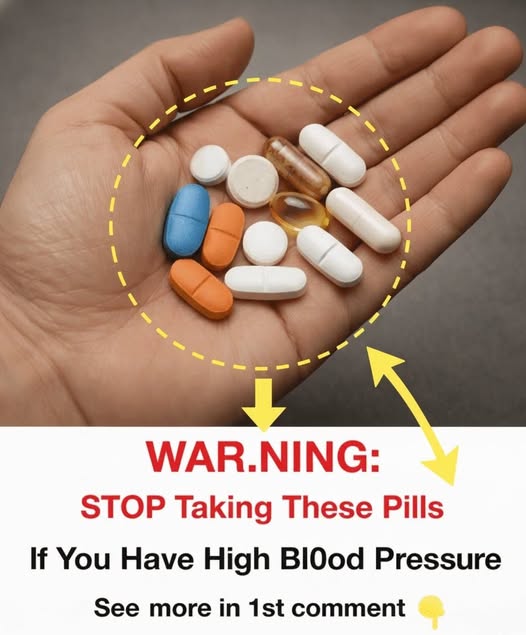
Worried that blood-pressure pills are harming your health? Learn about common hypertension medications, possible side effects, why you shouldn’t stop them suddenly, and when to contact your doctor.
A dramatic health claim circulating online warns people with high blood pressure that certain medications are “wrecking your health.” The headline may grab attention, but it can be dangerously misleading.
Blood-pressure medicines can cause side effects, and some people may need their medication or dosage adjusted. However, that does not mean prescribed hypertension medicines are generally harmful or that people should stop taking them. In fact, major medical guidance continues to recommend several classes of blood-pressure medication because controlling hypertension can substantially reduce the risk of cardiovascular complications.
Which blood-pressure medicines are commonly prescribed?
There isn’t one single “blood-pressure pill.” Doctors use several different classes, depending on a person’s age, medical history, kidney function, cardiovascular risk and other conditions.
Common classes include:
- ACE inhibitors
- Angiotensin II receptor blockers (ARBs)
- Calcium-channel blockers
- Thiazide-type diuretics
- Beta-blockers, which may be appropriate in particular circumstances
The American Heart Association identifies ACE inhibitors, ARBs, calcium-channel blockers and thiazide-type diuretics among the major medications used to treat hypertension.
Many people require more than one medication to achieve adequate blood-pressure control. Recent AHA guidance notes that combination treatment is common and can make treatment easier for patients.
Do these medications have side effects?
Yes. Like all medicines, blood-pressure drugs can cause side effects.
The American Heart Association lists possible effects including dizziness or light-headedness, fatigue, headache, cough, constipation or diarrhea, muscle cramps, changes in heart rate and other symptoms. Not everyone experiences these effects, and the type of side effect depends on the medication.
For example, amlodipine, a commonly used calcium-channel blocker, can cause swelling around the ankles and feet.
ACE inhibitors can cause a persistent cough in some people, while certain diuretics can affect electrolyte levels. The appropriate response isn’t necessarily to abandon treatment—it may be to adjust the dose or switch to another medication under medical supervision.
Why shouldn’t you stop your pills suddenly?
This is one of the most important points missing from sensational online headlines.
Do not stop prescribed blood-pressure medication on your own.
The American Heart Association specifically advises patients not to cut back or quit their medication without consulting their healthcare professional.
Some medications can cause problems if stopped abruptly. For example, the NHS warns that amlodipine should not be stopped unless a doctor advises it.
Stopping treatment without medical guidance can allow blood pressure to rise again and, depending on the medication and the individual’s health, may create additional risks.
But what if your medicine is making you feel unwell?
That’s a legitimate reason to contact your doctor.
You don’t have to simply tolerate troublesome side effects.
A healthcare professional can determine whether the symptoms are actually related to the medication, whether another medicine is contributing, or whether the dose needs adjustment.
The AHA notes that people can respond differently to blood-pressure medicines and may need time to find the medication or combination that works best with the fewest side effects.
Possible solutions may include:
- Adjusting the dose
- Changing the time of day the medicine is taken
- Switching to another medication
- Using a different combination of medicines
- Checking for drug interactions
- Investigating whether another medical problem is causing the symptoms
What about “natural” alternatives?
This is another area where viral posts can be misleading.
Some online advertisements promote supplements, vitamins, teas or “natural blood-pressure cures” as replacements for prescription medication.
The American Heart Association warns that supplements and natural remedies may not work as advertised and can sometimes interact with medications or even raise blood pressure.
“Natural” does not automatically mean safe.
If you are taking medication for hypertension, talk with your doctor or pharmacist before adding a supplement or herbal product.
The bigger danger may be uncontrolled blood pressure
It’s easy to focus on medication side effects and forget why these medicines are prescribed in the first place.
High blood pressure itself can damage the body over time.
It increases the risk of cardiovascular disease and can affect organs including the heart, kidneys and brain. The AHA’s more recent hypertension guidance also highlights the relationship between high blood pressure, brain health and cognitive decline.
That is why treatment decisions need to balance benefits and potential side effects, rather than treating every side effect as evidence that the medication is “wrecking” someone’s health.
What should you do if you’re concerned about your medication?
Don’t rely on a viral headline to make the decision.
Instead:
Keep taking your medication as prescribed unless your healthcare professional tells you otherwise.
Write down any symptoms you experience, including when they began and whether they occur after taking your medication.
Ask your doctor or pharmacist to review all your medicines, including over-the-counter products and supplements.
Check your blood pressure regularly if you’ve been advised to monitor it at home.
Don’t double a dose because you missed one unless a healthcare professional or the medication instructions specifically tell you to.
When is high blood pressure an emergency?
Extremely high blood pressure accompanied by symptoms such as chest pain, severe shortness of breath, weakness, numbness, difficulty speaking, confusion or severe neurological symptoms requires urgent medical evaluation.
If you have a very high reading, particularly one that is repeated, contact a healthcare professional for guidance rather than trying to rapidly change your medication dose yourself.
The Bottom Line
The headline “High Blood Pressure? These Pills Are Wrecking Your Health!” is far too broad.
Blood-pressure medications can cause side effects, and finding the right treatment sometimes requires adjustments. But these medicines are widely used because controlling hypertension can protect the heart, brain, kidneys and blood vessels.
If your medication is causing troublesome symptoms, the answer is usually a medication review—not suddenly stopping treatment.
The safest rule is simple: never discontinue or change a prescribed blood-pressure medicine because of an online warning. Speak with your doctor or pharmacist first.