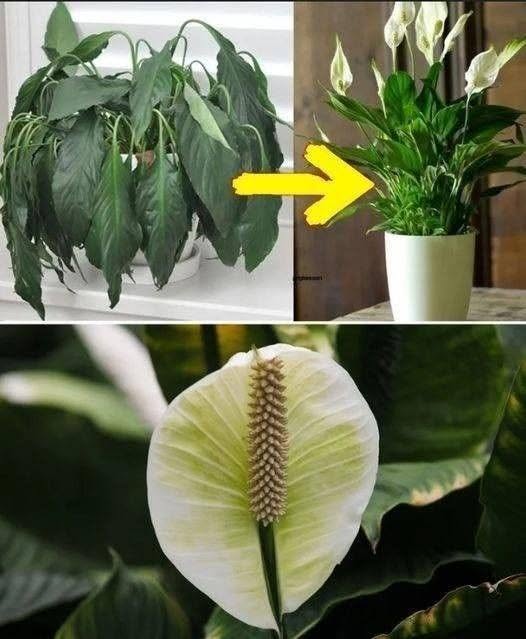
Wondering what happens when you add a tablespoon of a household ingredient to your plants? Learn why the right soil amendment can help some plants, while the wrong amount can damage roots, disrupt soil balance, or attract pests.
Place a Tablespoon on Any Plant at Home: What to Expect
You’ve probably seen viral gardening advice claiming that one tablespoon of a household ingredient can transform any plant overnight.
But there’s an important catch: there is no single tablespoon-sized ingredient that’s safe or beneficial for every plant.
Different plants have different requirements for soil pH, nutrients, moisture, and drainage. What helps one plant can damage another.
So before sprinkling anything around your houseplants, here’s what you should know.
🌱 1. The Soil Matters More Than the “Magic Ingredient”
Healthy plants need the right combination of:
- Water
- Light
- Oxygen around the roots
- Nutrients
- Appropriate soil pH
- Good drainage
Adding an ingredient without knowing what the soil actually needs can create more problems than it solves.
For example, some amendments can raise soil pH, while others can lower it.
🌿 2. A Tablespoon of Compost Can Be Useful—But Don’t Dump It on the Plant
Well-finished compost contains organic matter and nutrients that can support soil health.
However, placing a concentrated pile directly against a plant’s stem isn’t ideal.
Instead, use a small amount as part of the growing medium or spread it around the soil surface without burying the plant’s stem.
🪴 3. Baking Soda Isn’t a Universal Plant Booster
Baking soda is frequently recommended online for houseplants and gardens.
But sprinkling it around plants isn’t a harmless “growth hack.”
Baking soda contains sodium, and excessive sodium can accumulate in soil and interfere with plant growth.
It can also alter soil conditions in ways that some plants don’t tolerate well.
Don’t automatically use baking soda just because a viral gardening post recommends it.
🌱 4. Cinnamon Isn’t a Fertilizer
Cinnamon is another popular household gardening trick.
It may have some antifungal properties in laboratory settings and is sometimes used in gardening discussions, but cinnamon isn’t a substitute for proper plant nutrition.
If your plant is struggling, first check:
Light → watering → drainage → pests → soil → nutrients.
These are much more important than sprinkling kitchen spices onto the soil.
💧 5. Too Much of Anything Can Damage Roots
Plant roots are sensitive to changes in their environment.
Adding concentrated substances directly to the soil can potentially:
- Increase salt levels
- Alter soil pH
- Damage delicate roots
- Interfere with nutrient availability
- Affect beneficial soil organisms
That’s why “one tablespoon” doesn’t automatically mean “safe.”
The amount that is appropriate depends on the substance, plant species, pot size, and soil conditions.
What Should You Actually Put on Your Houseplants?
For most healthy houseplants, the basics work better than viral hacks:
✔ Give them appropriate light
Different plants have different light requirements.
✔ Water according to the plant’s needs
Don’t water simply because it’s a particular day of the week.
Check the soil and consider the plant’s species and potting mix.
✔ Use a well-draining pot
A container with appropriate drainage can help prevent waterlogged roots.
✔ Fertilize when necessary
Use a fertilizer formulated for plants and follow the manufacturer’s instructions.
✔ Watch for pests
Check leaves, stems, and the underside of leaves regularly.
The “One Tablespoon” Rule Doesn’t Exist
If a gardening post says:
“Put one tablespoon of this on ANY plant and watch what happens!”
be skeptical.
A pothos, orchid, succulent, tomato plant, and cactus don’t have identical nutritional or soil requirements.
Even two plants of the same species may need different care depending on their pot size, soil, light, temperature, and watering conditions.
Before Adding Anything, Ask These 3 Questions
1. What exactly am I adding?
Is it fertilizer, a soil amendment, a pesticide, or simply a kitchen ingredient?
2. What does my plant actually need?
Is the problem lack of nutrients—or could it be overwatering, poor light, root damage, or pests?
3. Is this recommended for this specific plant?
Don’t assume that something labeled “natural” is automatically beneficial.
Final Takeaway
There is no magic tablespoon ingredient that should be placed on every plant.
Healthy plants generally respond best to appropriate light, correct watering, good drainage, suitable soil, and properly measured fertilizer when needed.
If you’ve seen a viral gardening trick involving a particular ingredient, identify the ingredient and the plant first. That makes it possible to determine whether the treatment is actually helpful—or could harm your plant.