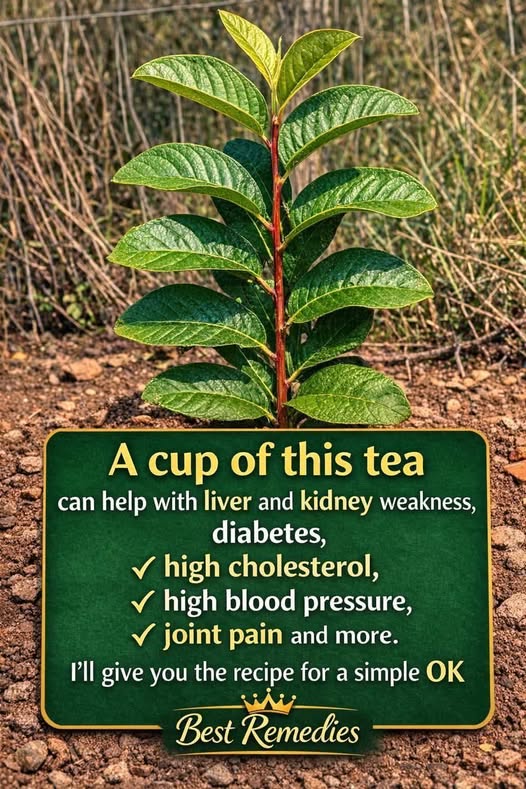
Discover the potential benefits of guava leaves, including their antioxidant, digestive, blood-sugar, and antimicrobial properties. Learn how to prepare guava-leaf tea safely and what precautions to consider.
Benefits of Guava Leaves: What They Are For and How to Use Them Correctly
Guava is famous for its sweet, fragrant fruit, but the leaves of the guava tree (Psidium guajava) have also been used traditionally in many parts of the world. They are commonly prepared as tea or an infusion and have attracted scientific interest because they contain naturally occurring compounds such as flavonoids, tannins, carotenoids, and other polyphenols.
For generations, people have used guava leaves in traditional remedies for digestive discomfort, diarrhea, oral-health concerns, and other everyday complaints. Modern research has investigated some of these traditional uses, although the evidence is not strong enough to consider guava leaves a cure for disease.
Understanding both the potential benefits and the limitations is important before making guava leaves part of your routine.
What Makes Guava Leaves Interesting?
Guava leaves contain numerous plant compounds that may have biological activity.
Among the compounds researchers have studied are:
- Flavonoids
- Phenolic compounds
- Tannins
- Carotenoids
- Essential oils
- Other polyphenols
Many of these substances have antioxidant or other biological properties in laboratory research.
However, a compound showing activity in a laboratory does not automatically mean that drinking guava-leaf tea will produce the same effect in the human body.
That distinction is particularly important when evaluating herbal remedies found online.
1. Guava Leaves Are Rich in Antioxidant Compounds
One of the most interesting characteristics of guava leaves is their concentration of plant-based antioxidant compounds.
Antioxidants help protect cells from oxidative stress caused by reactive molecules produced naturally during metabolism and in response to certain environmental factors.
Guava leaves contain polyphenols and flavonoids that have demonstrated antioxidant activity in laboratory studies.
Why does this matter?
Oxidative stress is involved in numerous biological processes, including aging and inflammation.
However, this does not mean that drinking guava-leaf tea prevents aging or cures chronic diseases.
A varied diet containing fruits, vegetables, whole grains, legumes, nuts, and other plant foods remains a much better-supported way to obtain a broad range of beneficial plant compounds.
2. They May Help Support Healthy Blood Sugar
Blood-sugar control is another area where guava leaves have received scientific attention.
Research has investigated whether guava-leaf preparations may influence carbohydrate digestion and glucose metabolism. Some small human studies have also examined guava-leaf tea in relation to blood-glucose levels after meals.
One proposed mechanism is that certain compounds in guava leaves may influence enzymes involved in carbohydrate breakdown.
If carbohydrate digestion and absorption are slowed, the rise in blood glucose following a meal could potentially be reduced.
But there is an important warning
Guava leaves should not be considered a replacement for diabetes medication, prescribed dietary treatment, exercise, or blood-glucose monitoring.
People taking insulin or other glucose-lowering medicines should be particularly cautious about using concentrated herbal preparations because combining several glucose-lowering influences could potentially cause blood sugar to fall too low.
If you have diabetes and want to use guava leaves regularly, discuss it with your healthcare professional.
3. Traditional Use for Diarrhea and Digestive Problems
Guava leaves have a long history of traditional use for digestive complaints.
Guava-leaf tea is sometimes consumed for:
- Mild diarrhea
- Stomach discomfort
- Loose stools
- Digestive upset
Researchers have investigated compounds in guava leaves that may have astringent, antimicrobial, and other biological properties.
These characteristics may help explain some of their traditional uses.
However, diarrhea is a symptom rather than a single disease.
It can result from contaminated food, infections, medication side effects, food intolerance, inflammatory conditions, and many other causes.
When diarrhea requires medical attention
Don’t rely on guava leaves alone if diarrhea is severe or persistent.
Medical attention is especially important if you experience:
- Blood or black stool
- Severe abdominal pain
- High fever
- Significant weakness
- Confusion
- Signs of dehydration
- Frequent vomiting
- Diarrhea that does not improve
Replacing fluids and electrolytes is often more important than trying an herbal remedy.
4. Possible Antimicrobial Properties
Another interesting area of research involves the antimicrobial properties of guava leaves.
Extracts prepared from guava leaves have demonstrated activity against certain microorganisms in laboratory experiments.
This has led researchers to investigate whether guava-leaf compounds could eventually have useful applications in food preservation, oral health, or other areas.
But laboratory findings should not be confused with proven medical treatment.
Guava-leaf tea should not be used instead of antibiotics when a bacterial infection requires antibiotic treatment.
The correct treatment depends on the specific infection and should be determined by a qualified healthcare professional.
5. Guava Leaves May Have Anti-Inflammatory Properties
Inflammation is a normal part of the body’s immune response, but excessive or persistent inflammation can be involved in many health conditions.
Some compounds in guava leaves have demonstrated anti-inflammatory effects in experimental research.
This is one reason guava leaves continue to attract scientific interest.
However, there is currently not enough evidence to say that drinking guava-leaf tea can treat arthritis, autoimmune disease, or other chronic inflammatory conditions.
Think of this research as promising evidence for further study, rather than proof of a medical treatment.
6. Potential Benefits for Oral Health
Traditional preparations made from guava leaves have also been used in oral hygiene.
Researchers have examined guava-leaf extracts for activity against microorganisms associated with oral health.
Some people use cooled guava-leaf preparations as a mouth rinse.
However, this should be considered complementary rather than a replacement for standard dental care.
For everyday oral health, continue to:
- Brush twice daily with fluoride toothpaste
- Clean between your teeth
- Limit frequent sugary snacks and drinks
- Have regular dental examinations
If you have persistent tooth pain, swelling, bleeding, or gum problems, see a dentist rather than relying on an herbal rinse.
7. They May Be Interesting for Skin Research
Guava leaves contain antioxidant and antimicrobial compounds, which has led to interest in possible topical applications.
Laboratory and preliminary research has investigated guava-leaf extracts in relation to skin-related processes.
But homemade guava-leaf preparations are not standardized.
Applying a strong homemade extract directly to damaged or irritated skin could potentially cause irritation or an allergic reaction.
For that reason, guava leaves should not be presented as a proven treatment for acne, eczema, infections, wounds, or other skin diseases.
How to Make Guava-Leaf Tea
If you want to consume guava leaves as a traditional herbal tea, a simple infusion can be prepared at home.
Ingredients
- 4–5 fresh guava leaves
- Approximately 2 cups of water
Instructions
Step 1: Select healthy-looking leaves from a clean guava tree.
Step 2: Wash the leaves thoroughly under clean running water.
Step 3: Bring approximately 2 cups of water to a boil.
Step 4: Add the washed leaves.
Step 5: Reduce the heat and simmer gently for about 5–10 minutes.
Step 6: Remove from the heat and allow the tea to cool.
Step 7: Strain the leaves before drinking.
You can drink the infusion warm or allow it to cool.
Avoid adding large quantities of sugar, especially if you are drinking it because you are trying to reduce your sugar intake.
Can You Use Dried Guava Leaves?
Yes, dried guava leaves are also used in traditional preparations.
The important consideration is quality and cleanliness.
Leaves should come from a reliable source and should not have been exposed to pesticides, roadside pollution, animal waste, or other contaminants.
Dried leaves can also vary in potency depending on how they were harvested, stored, and prepared.
How Often Should You Drink Guava-Leaf Tea?
There is no universally established medicinal dose of guava-leaf tea for treating a specific disease.
This is an important difference between a traditional beverage and a standardized medicine.
A cup of relatively mild tea is not equivalent to a concentrated extract or supplement.
Avoid assuming that drinking increasingly large amounts will produce greater health benefits.
If you are using guava leaves for a specific health condition, speak with a healthcare professional rather than choosing a dose based on social-media claims.
Are Guava Leaves Safe for Everyone?
Although guava leaves are natural, they are not automatically risk-free.
Extra caution is appropriate if you:
- Are pregnant
- Are breastfeeding
- Take prescription medication
- Take medication for diabetes
- Have liver or kidney disease
- Have a history of allergies to plants
- Are considering concentrated guava-leaf extracts or supplements
Pregnant or breastfeeding people should be especially cautious because safety data for medicinal amounts of many herbal preparations are limited.
Possible Side Effects
Guava-leaf tea may be tolerated by many people when consumed as a beverage, but individual reactions can vary.
Some people may experience digestive discomfort or an allergic reaction.
Stop using it and seek appropriate medical advice if you develop symptoms such as:
- Rash
- Swelling
- Difficulty breathing
- Severe stomach discomfort
- Persistent vomiting
- Other unusual or concerning symptoms
Concentrated extracts may have different effects from a mild tea, so they should not automatically be assumed to be equally safe.
Guava Leaves vs. Guava Fruit
It’s important not to overlook the fruit itself.
Guava is a nutritious food that can provide vitamin C, dietary fiber, and other nutrients.
Eating whole guava as part of a balanced diet has a much stronger nutritional basis than relying on guava leaves as a medicinal remedy.
The leaves are primarily interesting because of their traditional uses and the plant compounds being investigated by researchers.
Can Guava Leaves Melt Belly Fat?
Claims that guava-leaf tea can “melt belly fat overnight” or dramatically accelerate weight loss should be treated with skepticism.
There is no reliable evidence that drinking guava-leaf tea by itself causes substantial, targeted belly-fat loss.
Healthy weight management generally depends on overall dietary intake, physical activity, sleep, genetics, and other lifestyle and health factors.
No tea can selectively burn fat from one part of the body.
Can Guava Leaves Cure Diabetes?
No.
Some research suggests guava-leaf preparations may influence blood-glucose responses, but that is very different from curing diabetes.
Diabetes requires an individualized management plan.
Anyone with diabetes should continue prescribed treatment and monitoring and should talk with a healthcare professional before regularly using herbal products.
Can You Drink Guava-Leaf Tea Every Day?
There isn’t enough evidence to establish that daily long-term medicinal consumption is beneficial or appropriate for everyone.
Occasional consumption as a traditional tea is different from taking concentrated extracts every day.
If you want to consume guava-leaf tea regularly, particularly if you have a chronic health condition or take medication, professional guidance is the safer approach.
How to Choose Good Guava Leaves
If you’re preparing fresh guava leaves, choose leaves that are:
- Clean
- Free from visible mold
- Free from insects
- Free from chemical contamination
- Not collected from roadsides
- Not sprayed recently with pesticides
Always wash fresh leaves before preparation.
If you don’t know whether a tree has been treated with pesticides or other chemicals, it is better not to use its leaves for tea.
The Bottom Line
Guava leaves are more than just an overlooked part of the guava tree. They contain a variety of naturally occurring plant compounds and have a long history of traditional use.
Research has explored their potential antioxidant, antimicrobial, anti-inflammatory, digestive, and blood-sugar-related properties. However, much of the evidence remains preliminary, and promising laboratory findings do not automatically translate into proven health benefits in humans.
A simple guava-leaf infusion can be enjoyed as a traditional herbal beverage, but it should not be promoted as a cure for diabetes, infections, obesity, or other medical conditions.
Most importantly, natural does not always mean harmless. If you’re pregnant, breastfeeding, taking medication, or managing a chronic condition, talk with a healthcare professional before using guava leaves regularly or taking concentrated extracts.
Guava leaves may have interesting health-promoting properties, but more high-quality human research is needed to determine exactly what they can—and cannot—do.