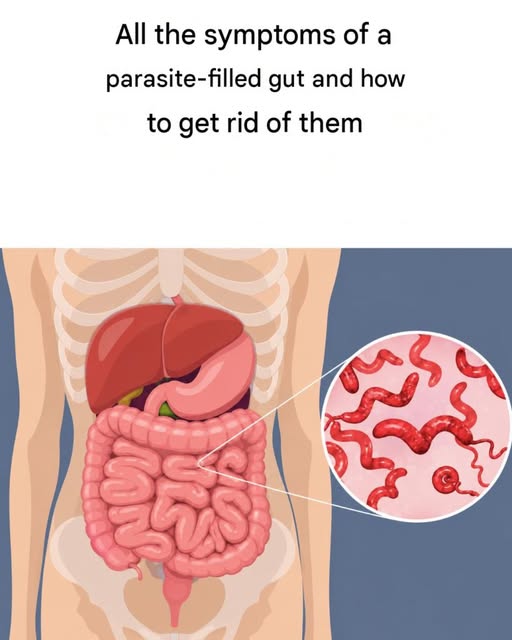
Learn the common symptoms of intestinal parasite infections, how parasites are diagnosed, when treatment is needed, and practical ways to reduce the risk of reinfection.
Intestinal parasites are organisms that live in or around the digestive tract and obtain nutrients from their host. They include several different types of worms and microscopic parasites, and the symptoms can vary considerably depending on the specific organism and the severity of the infection.
One important point is often overlooked: having digestive symptoms does not automatically mean you have parasites. Many symptoms associated with intestinal parasites—such as bloating, abdominal discomfort, diarrhea, nausea, and fatigue—can also occur with infections, food intolerance, irritable bowel syndrome, and other digestive conditions. The World Health Organization notes that symptoms of soil-transmitted worm infections are often nonspecific, and mild infections may cause no symptoms at all.
What Are Intestinal Parasites?
Several parasites can infect the digestive system. Common intestinal worms include roundworms, whipworms, and hookworms. Other intestinal parasites are microscopic organisms rather than visible worms.
Some infections are acquired by swallowing contaminated food or water, while certain worms can enter the body through contact with contaminated soil. Hookworms and Strongyloides, for example, can penetrate the skin when someone walks barefoot on contaminated soil.
Common Symptoms of Intestinal Parasites
The symptoms depend on the parasite and the number of organisms present. Some people have no noticeable symptoms, particularly with lighter infections.
Possible symptoms include:
1. Abdominal Pain or Cramping
Persistent or recurring abdominal discomfort can occur with some intestinal worm infections.
The pain may be mild or more pronounced, depending on the infection. However, abdominal pain by itself is not evidence of a parasite infection, because there are many possible causes.
2. Diarrhea
Loose or frequent stools can occur with several intestinal infections, including parasitic infections.
Persistent diarrhea deserves medical attention, particularly if it is accompanied by dehydration, blood in the stool, fever, or significant weight loss.
3. Nausea
Some intestinal parasites can cause nausea or digestive discomfort. WHO specifically lists nausea among the nonspecific symptoms that may occur with soil-transmitted helminth infections.
4. Loss of Appetite
A person with a significant intestinal worm infection may experience reduced appetite.
However, appetite changes can have many other causes, so this symptom shouldn’t be used to diagnose parasites.
5. Unexplained Weight Loss
Some parasitic infections can interfere with nutrition, particularly when the infection is heavy or prolonged.
Unintentional weight loss should always be investigated rather than automatically attributed to “worms.”
6. Fatigue and Weakness
Fatigue can occur with intestinal parasite infections. Hookworm infections are particularly important because they can cause chronic intestinal blood loss and contribute to anemia.
7. Anemia
Hookworms can attach to the intestinal lining and consume blood, potentially causing iron-deficiency anemia when the infection is significant.
Possible symptoms of anemia include:
- Tiredness
- Weakness
- Pale skin
- Shortness of breath
- Dizziness
- Reduced ability to exercise
8. Itching Around the Anus
Some intestinal parasites can cause anal itching. This is particularly associated with pinworm infection, which has a different transmission pattern from many soil-transmitted worms.
If nighttime anal itching is persistent, a healthcare professional can recommend the appropriate testing.
9. Seeing Worms or Worm Segments in Stool
In some infections, people may notice worms or segments in their stool.
But the absence of visible worms does not rule out an infection. Many parasites are microscopic, and some worms or their eggs are not easily recognized by looking at stool.
10. Skin Symptoms
Certain parasites can cause skin manifestations. Strongyloidiasis, for example, can be associated with itching or hives as well as gastrointestinal symptoms.
11. Persistent or Recurrent Digestive Problems
Some parasitic infections can cause recurring abdominal discomfort, diarrhea, bloating, or other gastrointestinal symptoms.
But these symptoms are extremely common in conditions unrelated to parasites, so testing is important before assuming that a parasite is responsible.
How Do You Know If You Actually Have Parasites?
Symptoms alone usually aren’t enough.
Depending on the suspected parasite, a healthcare professional may recommend stool testing, a tape test, blood tests, or other investigations. The appropriate test depends on the organism being considered.
This is important because different parasites require different diagnostic methods and treatments. For example, WHO notes that Strongyloides can be difficult to detect and may require specialized stool testing.
If symptoms persist, particularly after travel or exposure to potentially contaminated food, water, or soil, discuss them with a healthcare professional.
How Are Intestinal Parasites Treated?
Treatment depends on which parasite is present.
Certain intestinal worms can be treated with medicines such as albendazole or mebendazole. WHO identifies these medicines as effective treatments for several soil-transmitted helminth infections.
However, there is no single deworming medicine that treats every parasite.
For example, Strongyloides requires different management, and some protozoal infections require completely different medications.
That’s why repeatedly taking a deworming medicine without knowing what you’re treating isn’t always the best approach.
Can Home Remedies Get Rid of Intestinal Parasites?
You may see claims online that garlic, pumpkin seeds, papaya seeds, apple cider vinegar, herbal drinks, or “parasite cleanses” can eliminate intestinal worms.
There isn’t good evidence that these popular home remedies can reliably eradicate an established parasitic infection.
If a parasite infection is confirmed, appropriate antiparasitic medication is the dependable treatment, rather than relying on a cleanse or homemade remedy.
How to Reduce Your Risk of Infection
Good hygiene and food safety can significantly reduce exposure to intestinal parasites.
Wash Your Hands
Wash your hands thoroughly with soap and water:
- Before eating
- Before preparing food
- After using the toilet
- After changing diapers
- After handling soil
Handle Food Carefully
Wash, cook, or peel food appropriately. Contaminated vegetables and untreated water can be sources of soil-transmitted helminth infection.
Drink Safe Water
Use a reliable source of drinking water, particularly when traveling or when sanitation is uncertain.
Wear Shoes Outdoors
Wearing shoes can reduce exposure to parasites whose larvae can penetrate the skin, including hookworms and Strongyloides.
Maintain Good Sanitation
Proper sanitation reduces contamination of soil and water with human waste and therefore helps interrupt parasite transmission.
When Should You See a Doctor?
Seek medical advice if you have:
- Persistent diarrhea
- Unexplained weight loss
- Significant or persistent abdominal pain
- Blood in your stool
- Severe weakness or symptoms of anemia
- Persistent vomiting
- Signs of dehydration
- Recurrent symptoms after travel or exposure to contaminated food or water
- Visible worms or worm segments in your stool
Severe abdominal pain with vomiting or abdominal swelling can require urgent assessment because very heavy worm infections can, in rare cases, contribute to intestinal obstruction.
The Bottom Line
An intestinal parasite infection can cause abdominal pain, diarrhea, nausea, appetite changes, fatigue, weakness, weight loss, anemia, anal itching, or visible worms, but many infected people have few or no symptoms.
Most importantly, these symptoms are not specific to parasites. If you suspect an infection, proper testing can help determine whether a parasite is actually responsible and which treatment is appropriate.
Rather than relying on a “parasite cleanse,” focus on accurate diagnosis, appropriate medication when necessary, safe food and water, handwashing, sanitation, and measures that prevent reinfection.