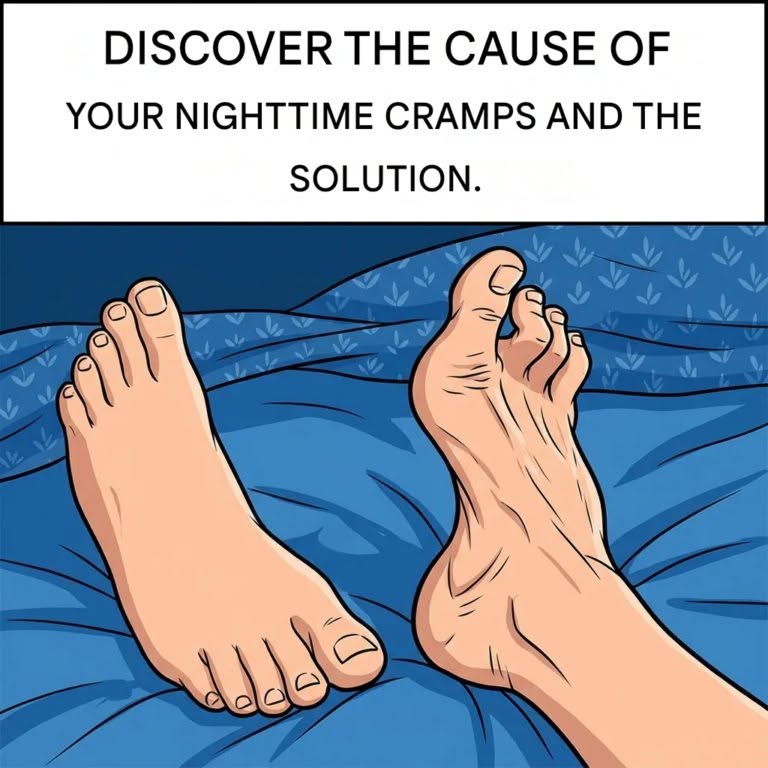
Nighttime leg cramps can suddenly wake you with intense pain. Learn the common causes of night leg cramps, what to do during an attack, and practical ways to reduce them.
Few things are more frustrating than finally falling asleep and then suddenly waking up with a painful, rock-hard calf muscle. Night leg cramps, also called nocturnal leg cramps, are sudden involuntary muscle contractions that most commonly affect the calves, although the feet and thighs can also be involved. They usually last from a few seconds to several minutes and may leave the muscle sore afterward.
The good news is that nighttime cramps are usually harmless. But if they happen frequently, disturb your sleep, or occur alongside swelling, numbness or weakness, they deserve medical attention.
Why Do Leg Cramps Happen at Night?
Sometimes there is no identifiable cause. Researchers believe tired muscles and changes in nerve activity may contribute to nocturnal cramps.
Several factors can make them more likely.
1. Dehydration
Not drinking enough fluids can contribute to muscle cramps. This may be especially relevant after exercise, heavy sweating, or spending time in hot weather.
Instead of drinking a large amount immediately before bed, aim to stay adequately hydrated throughout the day.
2. Muscle Fatigue or Overuse
An unusually intense workout, prolonged standing, or activities that place extra strain on the legs can leave muscles tired and more prone to cramping.
3. Sitting for Long Periods
Long periods of inactivity or sitting can also be associated with nighttime leg cramps. Regular gentle movement during the day may help.
4. Pregnancy
Pregnancy can increase the likelihood of leg cramps, particularly later in pregnancy.
5. Certain Medications
Some medicines have been associated with leg cramps. Examples include certain diuretics and cholesterol-lowering medicines, among others. If cramps started after beginning a new medication, speak with your doctor or pharmacist rather than stopping the medicine yourself.
6. Underlying Health Conditions
Less commonly, nighttime cramps may be associated with conditions involving the nerves, blood vessels, metabolism, kidneys, thyroid, or diabetes.
This is one reason persistent or unusually severe cramps shouldn’t simply be dismissed as a mineral deficiency.
What Should You Do When a Cramp Strikes?
When your calf suddenly tightens, don’t panic. Try these steps:
1. Stretch the muscle.
Straighten your leg and gently pull your toes upward toward your face. This can help relax the calf.
2. Stand up if you can.
Putting weight on the affected leg and gently bending the knee may help release a calf cramp.
3. Massage the muscle.
Gently rubbing the cramped area can help it relax and may reduce the lingering soreness.
4. Try warmth.
A warm shower or bath directed at the affected muscle may provide relief.
5. Consider cold afterward.
If the muscle remains tender, a cold pack may help with soreness.
How to Reduce Nighttime Cramps
There isn’t a guaranteed way to prevent every cramp, but several simple habits may help.
Stretch Before Bed
Gentle calf stretching before going to sleep may reduce the frequency of nighttime cramps. The NHS recommends regular calf stretches, including a session before bed.
Avoid forcing the stretch. It should feel gentle rather than painful.
Keep Moving During the Day
If you spend much of the day sitting, get up periodically and walk around. Light exercise may also help maintain muscle flexibility.
Mayo Clinic suggests a few minutes of gentle cycling before bedtime for some people with recurring nighttime cramps.
Stay Hydrated
Drink fluids regularly throughout the day, especially when exercising or sweating heavily. Mayo Clinic also recommends limiting excessive alcohol and caffeine when trying to prevent night cramps.
Check Your Foot Position
Some people find that keeping the feet in a neutral position helps. Loose sheets and blankets at the foot of the bed may also prevent the feet from being forced downward during sleep.
Don’t Automatically Blame Magnesium
It’s common to hear that nighttime cramps mean you need more magnesium, potassium, or calcium. Nutritional deficiencies can be associated with muscle cramps, but not every nighttime cramp is caused by a mineral deficiency. Many cases have no clear cause.
Taking supplements unnecessarily isn’t always helpful. If you suspect a deficiency, especially if cramps are frequent, discuss whether testing is appropriate with a healthcare professional.
Night Cramps vs. Restless Legs Syndrome
These conditions are sometimes confused.
A leg cramp causes a sudden, painful tightening of a muscle. The muscle may feel hard or knotted.
Restless legs syndrome, on the other hand, usually produces an uncomfortable sensation and a strong urge to move the legs. It tends to occur when resting and is often worse at night.
Knowing the difference matters because the treatments aren’t the same.
When Should You See a Doctor?
Occasional cramps usually aren’t concerning. However, make an appointment with a healthcare professional if:
- Cramps repeatedly disturb your sleep.
- They are becoming more frequent or severe.
- You have leg swelling or numbness.
- Your muscles seem weak or are losing size.
- A cramp lasts longer than about 10 minutes.
- Pain continues or repeatedly returns after the cramp.
Seek urgent medical attention for severe cramping that doesn’t stop, particularly if there are other concerning symptoms.
The Bottom Line
Nighttime leg cramps can be painful and disruptive, but they’re usually not dangerous. Dehydration, muscle fatigue, prolonged inactivity, pregnancy, certain medicines, and some underlying health conditions can contribute, while many cases have no obvious cause.
When a cramp strikes, gently stretch the muscle, flex your foot upward, massage the area, and try warmth. For prevention, focus on regular movement, adequate hydration, and gentle calf stretching before bed.
If cramps are happening repeatedly or interfering with your sleep, don’t simply accept them as something you have to live with—it’s worth finding out whether there is an underlying cause.