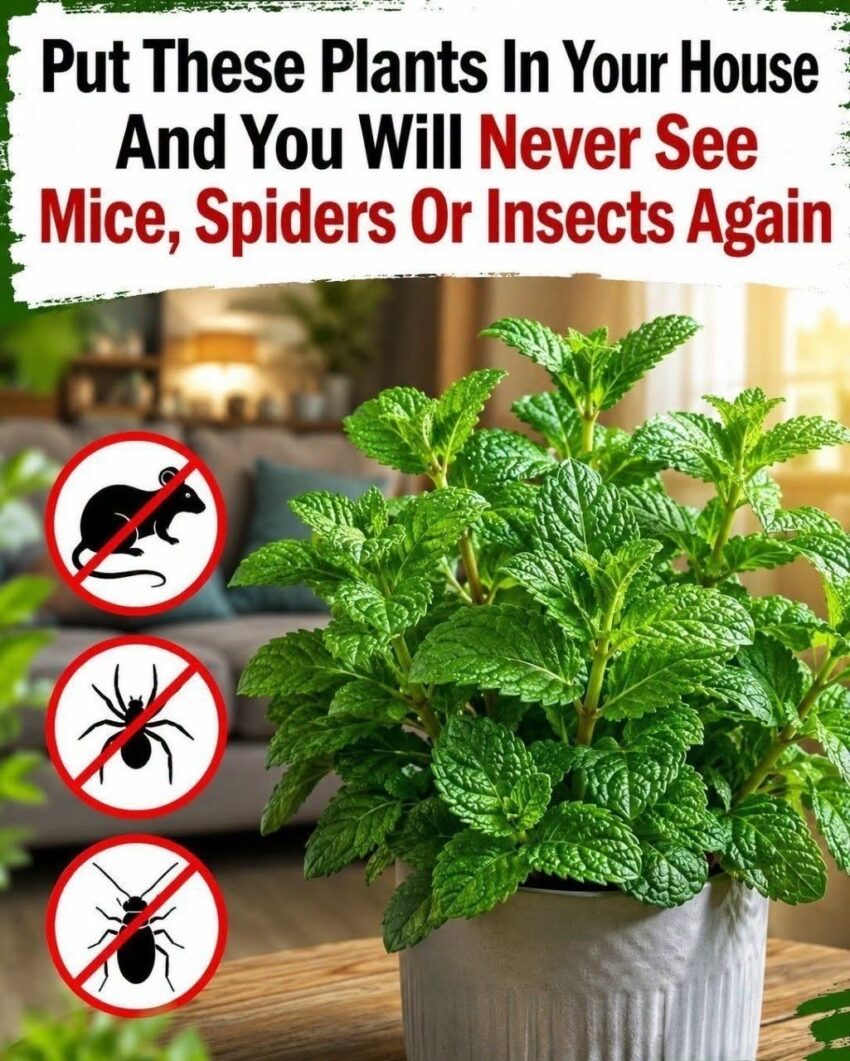
Discover 8 aromatic plants that may help deter mosquitoes and other common pests while adding beauty and fragrance to your home and garden. Learn how to use them and what they can—and cannot—do.
Tired of unwanted visitors such as mosquitoes, spiders and other pests around your home? Certain strongly scented plants contain natural compounds that may help discourage some insects and pests, while making your garden, patio or windowsill look and smell wonderful.
However, it is important to set realistic expectations: simply placing a plant in a room is unlikely to create a powerful pest-proof barrier. The effectiveness of plants varies by pest, species, growing conditions and how the plant’s aromatic compounds are released.
Here are eight popular plants worth considering.
1. Lavender
Lavender is loved for its calming fragrance, but its strong scent is also commonly used in products designed to discourage certain insects.
Plant lavender near sunny entryways, patios or windows. You can also grow it in pots near outdoor seating areas.
Best for: Mosquitoes and some flying insects.
Bonus: Its flowers add beautiful color and fragrance to the garden.
2. Mint
Mint has a strong, fresh aroma that may help make an area less attractive to some insects.
Grow mint in containers because it can spread aggressively in garden beds. Place pots near doors or outdoor sitting areas.
Best for: Some ants and insects.
Bonus: Fresh leaves can be used in drinks and cooking.
3. Citronella Grass
Citronella is famous for its lemon-like scent and is widely associated with mosquito-repellent products.
Growing citronella grass can add fragrance to an outdoor area. However, the plant itself may not provide the same level of mosquito protection as a properly formulated and tested insect repellent.
Best for: Outdoor areas where mosquitoes are a problem.
Bonus: Its fresh, citrus-like scent makes it a popular patio plant.
4. Rosemary
Rosemary is a fragrant herb that can be grown in pots or garden borders. Its aromatic leaves contain natural oils and can contribute to a pleasantly scented garden.
Place rosemary in sunny areas near patios, doors or walkways.
Best for: Adding a strong herbal fragrance to outdoor spaces.
Bonus: A delicious herb for roasted vegetables, meats and other recipes.
5. Basil
Basil is another fragrant plant that is popular in home gardens.
Some people grow basil near outdoor spaces because of its strong aroma, while also enjoying its usefulness in the kitchen.
Best for: Gardens and outdoor containers where you want a fragrant, useful plant.
Bonus: Fresh basil is perfect for sauces, salads and many other dishes.
6. Marigolds
Marigolds add bright flowers to gardens and are often planted among vegetables and other plants.
Their distinctive scent may influence some insects, although they should not be considered a guaranteed solution for keeping all pests away.
Best for: Companion planting and adding color to garden beds.
Bonus: Easy to grow in many warm, sunny conditions.
7. Lemongrass
Lemongrass has a fresh citrus scent and is closely related in fragrance to citronella.
It can be grown in large pots in warm conditions and makes a beautiful addition to patios and gardens.
Best for: Creating a fragrant outdoor environment.
Bonus: Its stalks are widely used in soups, teas and Asian-inspired cooking.
8. Catnip
Catnip is well known for attracting many cats, but it also contains aromatic compounds that have been studied for their effects on certain insects.
Grow it carefully if neighborhood cats frequently visit your garden—they may be much more interested in the plant than the pests are!
Best for: Gardeners interested in aromatic plants that may affect certain insects.
Bonus: Easy to grow and produces attractive flowers.
Can Plants Really Keep Mice and Spiders Away?
This is where expectations are important.
Strong scents may temporarily discourage some animals or insects, but there is limited evidence that simply growing these plants will reliably repel mice or spiders from a home.
If you have a persistent mouse problem, the most effective approach usually includes:
- Sealing cracks and holes where mice can enter
- Storing food in sealed containers
- Cleaning up crumbs and food waste
- Reducing clutter that provides nesting places
- Using appropriate professional pest-control methods when necessary
For spiders and other household pests, reducing clutter, sealing entry points and addressing insect populations that serve as their food can also be more effective than relying on plants alone.
How to Get Better Results
If you want to use pest-deterring plants around your home or garden:
- Place suitable plants near doors, windows and outdoor seating areas.
- Keep plants healthy so they continue producing their natural aroma.
- Remove standing water to reduce mosquito breeding.
- Use window screens and seal cracks to limit pests entering the home.
- Keep food and rubbish properly covered.
- For mosquito protection, use proven personal protective measures when needed.
The Bottom Line
Lavender, mint, citronella grass, rosemary, basil, marigolds, lemongrass and catnip can make your home and garden more fragrant and enjoyable. Some may also help discourage certain pests under the right conditions.
But don’t rely on a few potted plants as a guaranteed solution for mice, spiders or mosquitoes. For serious or persistent infestations, combine prevention with proven pest-control methods.
With the right plants and good home maintenance, you can create a fresher, more beautiful space while making it less welcoming to some unwanted visitors.