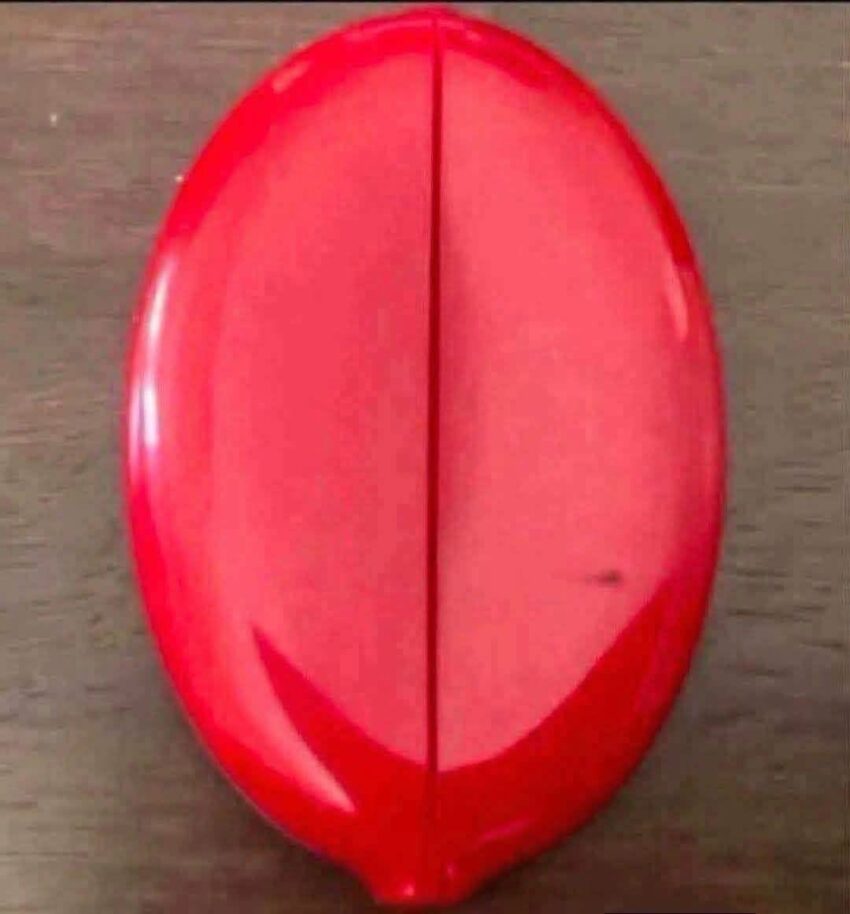
Some unusual objects leave everyone guessing. Discover why everyday items, vintage household tools, and mysterious objects can be so difficult to identify at first glance.
Introduction
Have you ever looked at an unfamiliar object and wondered what on earth it could be? You might recognize its shape, notice a few unusual details, and still have absolutely no idea what it was designed to do.
That is exactly why mysterious-object photos are so popular. People share pictures of strange tools, old household items, unusual metal pieces, and forgotten inventions, inviting others to solve the puzzle. Everyone has a theory, but the correct answer is often much simpler—and more surprising—than anyone expects.
Sometimes, the object is something people used every day decades ago. Other times, it is a specialized tool whose purpose becomes obvious only when you understand how it works.
Why Are Some Objects So Difficult to Identify?
The appearance of an object does not always reveal its purpose. Many older items were designed around practical needs that no longer exist in modern homes.
For example, a small metal tool might look like a kitchen utensil, but it could have been designed for sewing, repairing machinery, gardening, or maintaining another household item.
Without knowing the object’s size, material, age, or original setting, it is easy to make the wrong guess.
1. Forgotten Household Tools
Before modern appliances became common, people relied on specialized tools to complete everyday tasks.
Some objects were used for preparing food, cleaning clothes, opening containers, repairing furniture, or maintaining fireplaces. Because modern alternatives have replaced many of these tools, younger generations may never have seen them before.
An object that looks completely mysterious today might once have been an ordinary part of a family’s daily routine.
2. Vintage Kitchen Gadgets
Old kitchens contained many unusual gadgets that were designed to make cooking easier.
Hand-operated peelers, egg separators, pastry tools, nutcrackers, and specialized serving utensils often had shapes that seem confusing without context. Some were made for a single purpose, while others were designed to perform several related tasks.
The next time you encounter an unfamiliar kitchen object, look for blades, grooves, handles, hinges, or openings. These details may offer clues about how it was used.
3. Tools From Another Generation
Older mechanical tools can be particularly difficult to identify because their designs often reflect technologies that are no longer widely used.
A strange-looking metal piece could have belonged to a sewing machine, a farm implement, a workshop device, or an antique appliance. Even experienced collectors sometimes need additional information before identifying an object confidently.
Its dimensions, markings, moving parts, and the location where it was found can all help narrow down the possibilities.
4. Why Guessing Often Leads to the Wrong Answer
When people see an unfamiliar object, they naturally compare it with things they already know. This is useful, but it can also lead to mistakes.
A curved object might resemble a hook, a pointed piece might look like a cutting tool, and a hollow item might appear to be a container. Yet its actual purpose could be entirely different.
The most reliable way to identify an object is to examine its features rather than rely on its appearance alone.
How to Solve a Mysterious-Object Puzzle
If you want to identify an unusual item, start with these simple steps:
- Examine the material: Is it made of wood, metal, plastic, glass, or ceramic?
- Check the size: A tiny object may serve a very different purpose from a large one with a similar shape.
- Look for moving parts: Hinges, springs, screws, and joints can reveal how it operates.
- Search for markings: Brand names, numbers, or symbols may identify the manufacturer or model.
- Consider its age: An antique object may have been designed for a task that is now performed by an electronic device.
- Think about where it was found: A garage, kitchen, garden, or sewing room can provide valuable context.
A clear photograph from multiple angles can also make identification much easier.
The Mystery Remains: What Is This Object?
The phrase “People keep guessing, but no one gets it right” creates curiosity because it invites everyone to participate in a shared mystery. However, without a photograph or a description of the actual object, it is impossible to identify the item accurately.
The object could be a vintage household tool, an unusual kitchen gadget, an antique accessory, or something entirely different. Naming a specific item without seeing it would simply be a guess.
Conclusion
Mysterious objects remind us how much everyday life has changed over the years. Tools that were once familiar can become almost unrecognizable when the technology or habits behind them disappear.
Sometimes, the most interesting part of an identification puzzle is discovering the practical reason an object was invented in the first place.
Do you know what this is? Share a clear picture of the object, preferably from several angles, and we can investigate its possible identity using its shape, materials, and distinctive features.