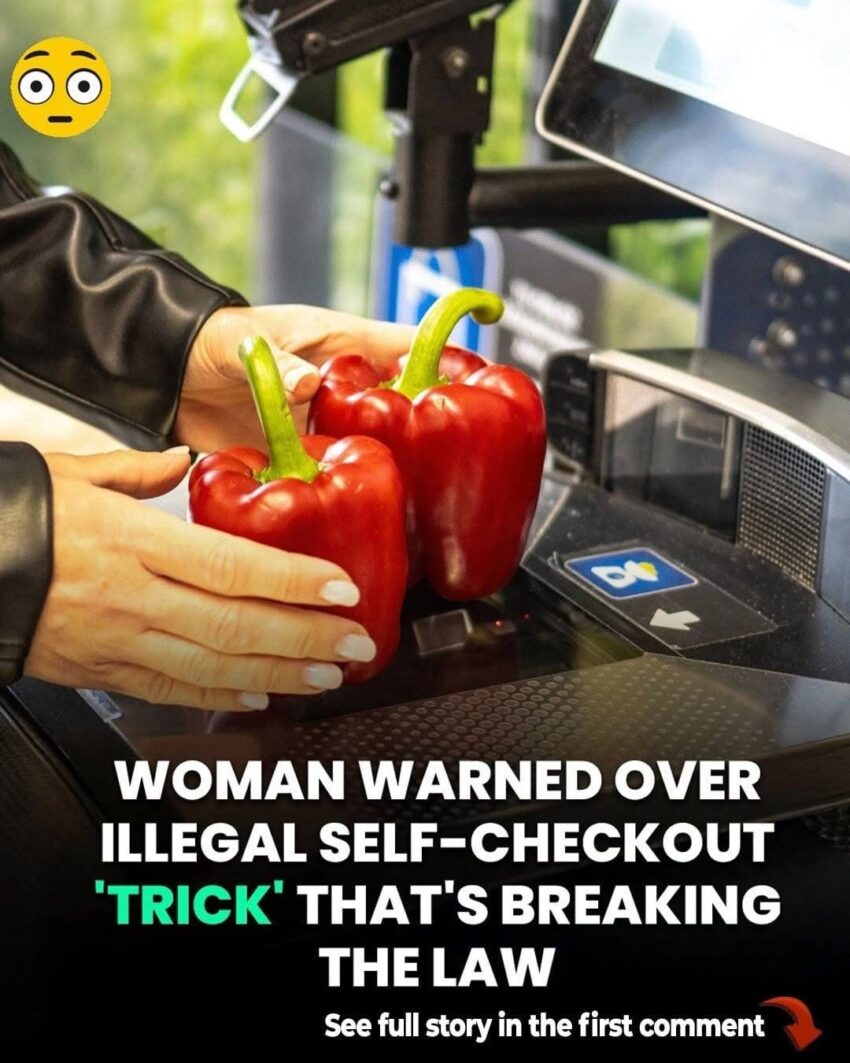
From mislabeling produce to skipping scans, self-checkout theft can take surprisingly subtle forms. Here’s how these tricks work, why they happen, and how stores are fighting back.
Self-checkout lanes were designed to make shopping faster and more convenient, but they have also created new opportunities for shoppers to manipulate the system. What may look like an innocent mistake at the checkout screen can sometimes be a deliberate attempt to pay less than the actual value of the goods.
One commonly discussed example involves produce. A shopper may select a cheaper item on the screen instead of the more expensive fruit or vegetable they actually have. Bananas are often mentioned in stories about this type of fraud because produce is frequently sold by weight and requires shoppers to identify the item themselves.
But produce mislabeling is only one category. Other forms of self-checkout abuse can include deliberately failing to scan an item, scanning the same inexpensive product repeatedly while placing different items in the bagging area, or exploiting weaknesses in the checkout process.
Why Self-Checkout Can Be Vulnerable
Traditional checkout involves a cashier who identifies products and verifies prices. Self-checkout transfers much of that responsibility to the customer.
Stores have introduced cameras, weight sensors, employee monitoring and increasingly sophisticated software to reduce errors and suspicious activity. Some systems can compare what the scanner records with what cameras appear to detect.
That means a shopper who thinks a small discrepancy will go unnoticed may be taking a much bigger risk than they realize.
Mistake or Theft?
Not every unusual self-checkout transaction is intentional. Produce can be difficult to identify, barcodes can fail to scan, and customers can accidentally miss an item.
The important distinction is intent. Accidentally selecting the wrong produce code is very different from intentionally choosing a cheaper code to reduce the bill.
If you notice an error, the safest approach is simple: correct it or ask an employee for assistance.
Why Stores Take It Seriously
Even relatively small losses can add up when repeated across thousands of transactions. Retailers therefore treat self-checkout accuracy as an important part of loss prevention.
Some stores have responded by reducing the number of self-checkout machines, adding more attendants, introducing receipt checks or experimenting with technologies designed to detect scanning discrepancies.
Self-checkout may feel anonymous, but it generally isn’t. Modern retail systems can create records of transactions, timestamps and other information that can help stores investigate suspicious activity.
The Bigger Picture
The “banana trick” has become a memorable example because it sounds almost comically simple. But the broader issue is much more serious: self-checkout changes the balance between convenience and oversight.
For shoppers, the lesson is straightforward. If something is scanned incorrectly, fix it. If you’re unsure about a produce item or price, ask an employee. A few extra seconds at the checkout are far better than turning an innocent mistake into a potentially serious problem.
Self-checkout isn’t necessarily making everyone dishonest—but it has certainly forced retailers to rethink how they prevent theft in an increasingly automated shopping environment.