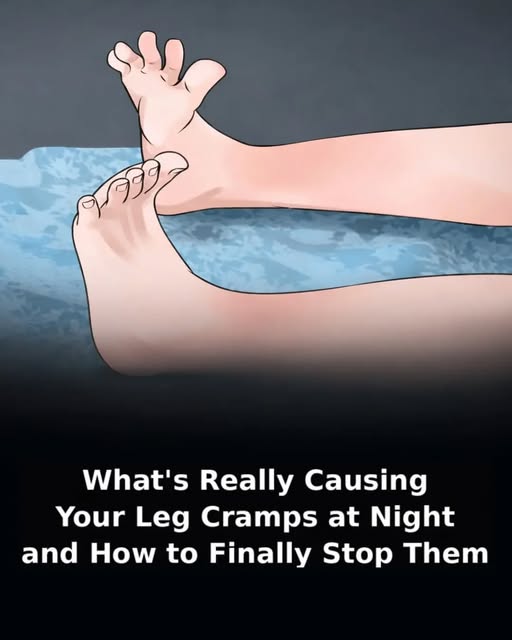
Learn the common causes of leg cramps at night, simple ways to prevent them, and effective treatments that may help relieve painful nighttime muscle spasms.
Leg Cramps at Night: Causes, Prevention & Treatment
Waking up in the middle of the night with a sudden, painful leg cramp can be both uncomfortable and frustrating. The muscle may tighten without warning, often affecting the calf, foot, or thigh, and the pain can last from a few seconds to several minutes.
Nighttime leg cramps are common, especially among older adults. Fortunately, several simple habits may help reduce how often they occur and make them easier to manage when they happen.
What Are Nighttime Leg Cramps?
A leg cramp is a sudden, involuntary tightening of a muscle. Unlike ordinary muscle soreness, a cramp can cause intense pain while the muscle feels hard or knotted.
They most commonly affect the calf muscles, although the feet and thighs can also be involved.
Common Causes of Leg Cramps at Night
Sometimes there is no obvious cause, but several factors may contribute.
1. Muscle Fatigue
Standing, walking, exercising, or performing unfamiliar physical activity during the day can leave muscles tired and more prone to cramping at night.
2. Dehydration
Not drinking enough fluids may contribute to muscle cramps in some people, particularly after heavy sweating or exercise.
3. Prolonged Sitting or Standing
Remaining in the same position for long periods can sometimes contribute to nighttime muscle discomfort and cramping.
4. Age
Nighttime leg cramps become more common with age. Changes in muscles, nerves, circulation, and activity levels may all play a role.
5. Certain Medications
Some medications may increase the likelihood of muscle cramps in certain people. If your cramps began after starting a new medication, ask your doctor or pharmacist whether it could be contributing.
Don’t stop a prescribed medicine without medical advice.
6. Pregnancy
Leg cramps can occur during pregnancy, particularly later in pregnancy. Hormonal and physical changes may contribute.
What to Do When a Leg Cramp Happens
When a cramp strikes, try to gently stretch the affected muscle.
For a calf cramp, straighten your leg and gently pull your toes toward your face. You can also stand carefully and put weight on the affected leg if you’re able to do so safely.
A gentle massage may also help the muscle relax.
Try Heat or Cold
A warm shower, heating pad, or warm towel may help relax a tight muscle.
Some people find that a cold pack helps afterward if the muscle remains sore. Protect your skin and avoid applying extreme temperatures directly to it.
How to Prevent Nighttime Leg Cramps
Stretch Before Bed
Gentle calf and leg stretches before going to bed may help some people reduce nighttime cramps.
Try holding a comfortable calf stretch for several seconds without bouncing or forcing the muscle.
Stay Hydrated
Drink fluids regularly throughout the day, especially if you exercise, sweat heavily, or spend time in hot weather.
However, people with conditions requiring fluid restriction should follow their healthcare provider’s advice.
Stay Active
Regular, moderate physical activity can help maintain muscle strength and flexibility. Avoid suddenly increasing exercise intensity, especially if you’re not accustomed to it.
Review Your Medications
If cramps are frequent or started after a medication change, discuss them with your healthcare professional. They can determine whether your medication or another underlying issue could be involved.
Should You Take Magnesium?
Magnesium supplements are often promoted as a treatment for leg cramps, but they don’t help everyone. Evidence for routine magnesium supplementation is limited for many people with ordinary nighttime leg cramps.
Taking large amounts of supplements without medical advice isn’t recommended.
If you suspect a nutrient deficiency, speak with a healthcare professional before starting supplements.
When Should You See a Doctor?
Occasional nighttime cramps are usually not serious. However, talk with a healthcare professional if cramps:
- Happen frequently
- Are becoming more severe
- Regularly disturb your sleep
- Occur with significant swelling
- Are accompanied by weakness or numbness
- Begin after starting a new medication
- Continue despite simple measures
Seek urgent medical attention for sudden leg swelling, warmth, redness, or severe pain, particularly if it occurs in one leg and is accompanied by chest pain or difficulty breathing.
Final Thoughts
Nighttime leg cramps can have many possible causes, from muscle fatigue and dehydration to medications and age-related changes. Gentle stretching, regular activity, adequate hydration, and a comfortable bedtime routine may help reduce episodes.
If cramps are persistent, severe, or accompanied by other unusual symptoms, it’s worth discussing them with a healthcare professional rather than simply treating them at home.