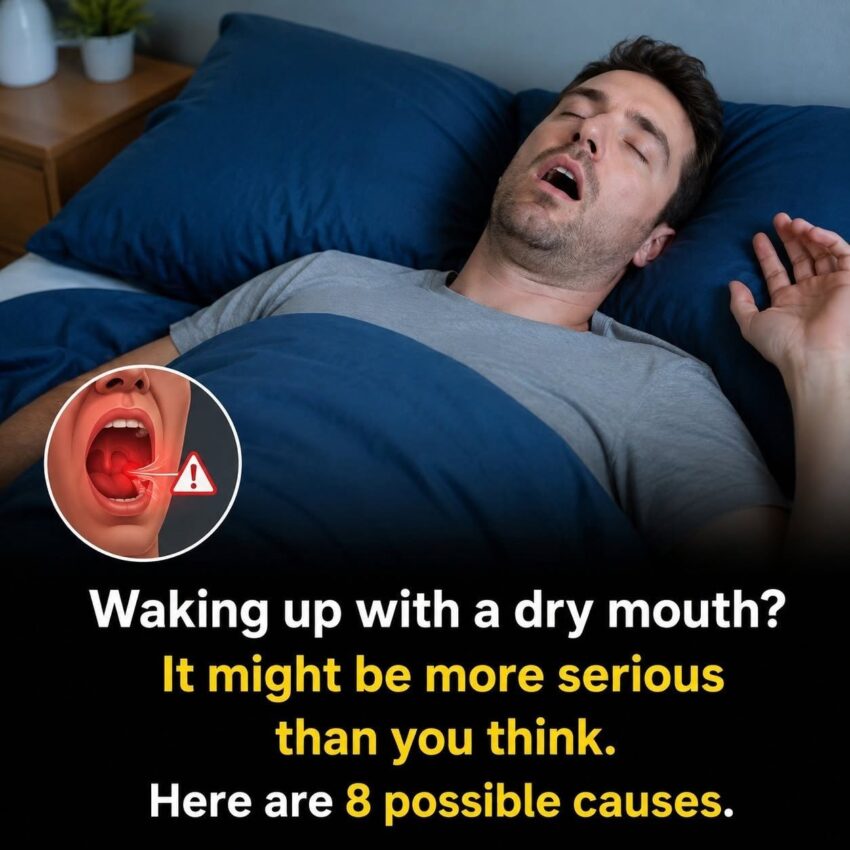
Waking up with a dry mouth every night? Learn 8 warning signs that may point to dehydration, medication effects, mouth breathing, diabetes, or sleep-related problems.
Dry Mouth at Night: 8 Warning Signs You Shouldn’t Ignore
Waking up with a dry mouth once in a while is common. You may simply have had too little water during the day, slept with your mouth open, or spent the night in a dry room.
But persistent nighttime dry mouth—especially when it happens almost every night—can sometimes be a sign that something else is going on.
Dry mouth, medically called xerostomia, occurs when your mouth doesn’t produce enough saliva. Saliva is important because it helps protect your teeth, control bacteria, make swallowing easier, and keep the tissues inside your mouth comfortable.
Here are eight warning signs that mean your nighttime dry mouth deserves more attention.
1. You Wake Up Extremely Thirsty
Feeling mildly thirsty in the morning can be normal. But repeatedly waking up with an unusually dry mouth and intense thirst may deserve a closer look.
Dehydration can contribute to dry mouth, particularly if you don’t drink enough fluids during the day or lose fluid through sweating, vomiting, diarrhea, or excessive urination.
Persistent excessive thirst can also occur with certain medical conditions, including diabetes.
What to do: Make sure you’re drinking enough fluids throughout the day and discuss persistent excessive thirst with a healthcare professional.
2. You Have Persistent Bad Breath
Saliva naturally helps wash away food particles and limit the buildup of bacteria in your mouth.
When saliva production decreases, bacteria can accumulate more easily, contributing to bad breath.
If you regularly wake up with a very unpleasant taste or odor that doesn’t improve with good oral hygiene, chronic dry mouth could be contributing.
Brushing twice daily, cleaning your tongue, flossing, and drinking water can help—but persistent symptoms should be discussed with a dentist.
3. Your Mouth Feels Sticky or Burning
Dry mouth isn’t always simply a feeling of thirst.
You might notice that your tongue feels sticky, your mouth feels unusually dry, or the tissues seem irritated or burning.
Some people describe having a thick or stringy feeling in their saliva.
If this happens frequently, it’s worth identifying the underlying cause rather than simply drinking more water immediately before bed.
4. You Have Trouble Swallowing or Speaking
Saliva helps lubricate your mouth and throat.
When saliva production is reduced, eating, swallowing, and speaking can become uncomfortable or difficult.
You may notice that dry foods such as crackers or bread are harder to swallow, or that talking for extended periods makes your mouth increasingly uncomfortable.
If swallowing is genuinely difficult, especially if it’s worsening, seek medical advice rather than assuming dry mouth is the only cause.
5. You Are Developing More Cavities
One of the most important reasons to take chronic dry mouth seriously is its effect on your teeth.
Saliva helps protect tooth enamel and neutralize acids produced by bacteria. When saliva production is reduced, the risk of tooth decay and other oral problems can increase.
If you’re suddenly developing cavities despite maintaining your normal brushing and flossing routine, tell your dentist that you’re experiencing persistent dry mouth.
6. Your Gums Are Sore, Swollen, or Bleed Easily
Reduced saliva can make the tissues of the mouth more vulnerable to irritation.
You may notice:
- Sore gums
- Mouth ulcers
- Cracked lips
- A dry or rough tongue
- Increased sensitivity
- Irritation when eating spicy or acidic foods
Bleeding gums can also have several other causes, including gum disease, so don’t automatically blame dry mouth.
A dental examination can help determine what’s happening.
7. You Snore or Sleep With Your Mouth Open
Sometimes the explanation is surprisingly simple.
Mouth breathing during sleep can leave you waking with an extremely dry mouth.
Nasal congestion, allergies, enlarged tonsils, certain sleeping positions, and sleep-related breathing problems can all contribute to mouth breathing.
If your partner says you snore loudly, or you frequently wake with your mouth wide open, consider discussing the symptoms with a healthcare professional.
Especially important are symptoms such as loud snoring, repeated gasping or choking during sleep, morning headaches, and excessive daytime sleepiness, which can occur with sleep apnea.
8. You Take Medications That Can Cause Dry Mouth
A large number of commonly used medications can reduce saliva production.
Examples include some medicines used for:
- Allergies
- Depression
- High blood pressure
- Anxiety
- Pain
- Congestion
- Certain neurological conditions
If your dry mouth began after starting a new medication, don’t stop taking the medicine on your own.
Instead, ask your doctor or pharmacist whether dry mouth is a possible side effect and whether there are safe alternatives or ways to manage it.
Other Possible Causes of Nighttime Dry Mouth
Medications and mouth breathing aren’t the only possibilities.
Nighttime dry mouth can also be associated with:
- Dehydration
- Alcohol consumption
- Tobacco use
- Excessive caffeine
- Stress or anxiety
- Certain medical conditions
- Salivary-gland problems
- Radiation treatment involving the head or neck
- Some autoimmune disorders
- Sleep-related breathing problems
Sometimes several factors contribute at the same time.
When Should You See a Doctor or Dentist?
Occasional dry mouth usually isn’t an emergency.
However, persistent or severe dry mouth should not simply be ignored, particularly if it is accompanied by other symptoms.
Make an appointment with a healthcare professional or dentist if you experience ongoing dry mouth along with:
- Unexplained excessive thirst
- Frequent urination
- Significant changes in weight
- Difficulty swallowing
- Persistent mouth sores
- Recurrent cavities
- Gum problems
- White patches in the mouth
- Severe or persistent burning
- Symptoms of possible sleep apnea
A professional can review your medications, examine your mouth, and determine whether additional testing is appropriate.
Simple Ways to Relieve Dry Mouth at Night
While you’re looking for the cause, several simple measures may help.
Drink Enough Water During the Day
Stay adequately hydrated rather than trying to drink a large amount immediately before bedtime.
Keep Water Nearby
Having a glass or bottle of water beside your bed can make it easier to relieve nighttime dryness.
Use a Humidifier
If your bedroom air is particularly dry, a humidifier may make sleeping more comfortable.
Avoid Tobacco and Limit Alcohol
Both can worsen dry-mouth symptoms.
Practice Good Oral Hygiene
Brush twice daily with fluoride toothpaste and clean between your teeth regularly. Because dry mouth can increase the risk of tooth decay, dental care becomes especially important.
Consider Sugar-Free Gum or Lozenges
Sugar-free chewing gum or lozenges can stimulate saliva production. Avoid sugary candies, which can increase the risk of tooth decay.
Don’t Ignore What Your Body Is Telling You
Waking up with a dry mouth doesn’t automatically mean you have a serious health problem. In many cases, something as simple as mouth breathing, dehydration, a dry bedroom, or medication side effects may be responsible.
But when dry mouth happens night after night—or comes with other unusual symptoms—it’s worth finding out why.
Your saliva plays an important role in protecting your mouth and teeth. Paying attention to persistent changes can help you address the underlying problem before it leads to bigger complications.