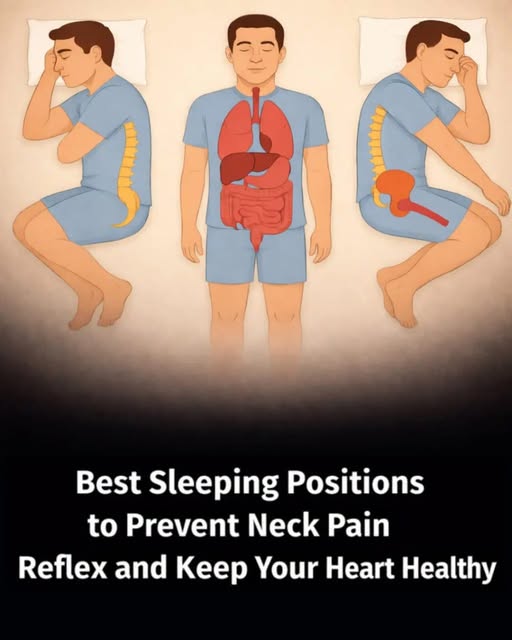
Scientists and sleep experts explain how sleeping on your left side may affect digestion, acid reflux, circulation, breathing, and comfort. Discover potential benefits, possible drawbacks, and who may benefit most from this sleeping position.
Scientists Explain How Sleeping on Your Left Side Affects Your Health
The position you sleep in may seem like a simple matter of comfort, but it can influence several aspects of how your body feels throughout the night. Among the most commonly discussed positions, sleeping on your left side has attracted particular attention because of its potential effects on digestion, acid reflux, breathing, and circulation.
While there is no single “perfect” sleeping position for everyone, understanding how different positions affect the body can help you choose what feels most comfortable and supportive.
1. It May Help Reduce Acid Reflux
One of the best-known potential advantages of sleeping on the left side involves acid reflux and heartburn.
When you lie on your left side, the position of the stomach relative to the esophagus may make it harder for stomach contents to flow upward. Research has found that left-side sleeping can reduce nighttime acid exposure compared with lying on the right side or back in people with reflux.
If you frequently experience nighttime heartburn, trying your left side may be worth considering.
2. It May Support Digestion
Your stomach and other digestive organs are positioned asymmetrically within your abdomen. Because of this, body position can influence how stomach contents move.
Some people find that lying on the left side after eating feels more comfortable than lying flat. However, sleeping immediately after a large meal isn’t recommended for people prone to reflux.
A better approach is to allow adequate time between dinner and bedtime and use a comfortable sleeping position.
3. It Can Be Helpful During Pregnancy
Side sleeping is commonly recommended during pregnancy, particularly later in pregnancy.
The left side is often suggested because it can be comfortable and may help avoid prolonged pressure on major blood vessels. However, pregnant people should follow their own clinician’s advice because individual circumstances vary.
A pillow between the knees or a pregnancy pillow can also provide additional support for the hips, back, and abdomen.
4. It May Affect Breathing and Snoring
Side sleeping can help keep the upper airway more open compared with sleeping flat on the back for some people.
This may reduce snoring and can be helpful for people whose breathing problems become worse when lying on their backs. However, sleep position alone isn’t a treatment for sleep apnea.
Loud habitual snoring, witnessed pauses in breathing, choking or gasping during sleep, and significant daytime sleepiness should be discussed with a healthcare professional.
5. It May Improve Comfort for Some People
Sleeping on your side can naturally reduce pressure on certain areas of the body compared with sleeping directly on your back.
But the left side isn’t automatically better for everyone. If your shoulder, hip, neck, or spine feels uncomfortable, your pillow and mattress setup may need adjustment.
Try keeping your head and neck aligned with your spine and placing a pillow between your knees to reduce twisting through the hips and lower back.
6. What About the Heart?
A common claim online is that sleeping on the left side dramatically improves heart function. The reality is more nuanced.
The heart is located slightly to the left side of the chest, but there isn’t good evidence that healthy people need to sleep on their left side specifically to protect their heart.
Some people with certain heart conditions may actually find one position more comfortable than another. If lying on your left side causes noticeable palpitations, breathlessness, chest discomfort, or anxiety, don’t assume it’s simply your sleeping position—discuss it with a healthcare professional.
7. Left-Side Sleeping Isn’t Right for Everyone
Despite its potential advantages, left-side sleeping can cause problems for some people.
You may experience:
- Shoulder pressure or pain
- Hip discomfort
- Arm numbness from pressure
- Neck strain from an unsuitable pillow
- Difficulty getting comfortable
The goal isn’t to force yourself into one particular position. Good sleep quality and comfort matter too.
How to Make Left-Side Sleeping More Comfortable
If you want to try sleeping on your left side, a few simple adjustments can help:
Use a supportive pillow: Your head should remain roughly aligned with your spine rather than tilting sharply downward.
Place a pillow between your knees: This can help keep your pelvis and hips in a more neutral position.
Avoid putting your full weight on your shoulder: Slightly adjusting your torso can reduce pressure.
Choose a comfortable mattress: A mattress that is extremely firm or extremely soft can create pressure points.
The Bottom Line
Sleeping on your left side may offer particular benefits for people with nighttime acid reflux and may be a comfortable position during pregnancy, while side sleeping in general can help some people with snoring and breathing-related problems.
But there is no universal sleeping position that is healthiest for everyone. Your body, medical history, comfort, and sleep quality all matter.
If you wake up feeling rested and comfortable, there’s usually no reason to force yourself into a different position simply because of something you read online.