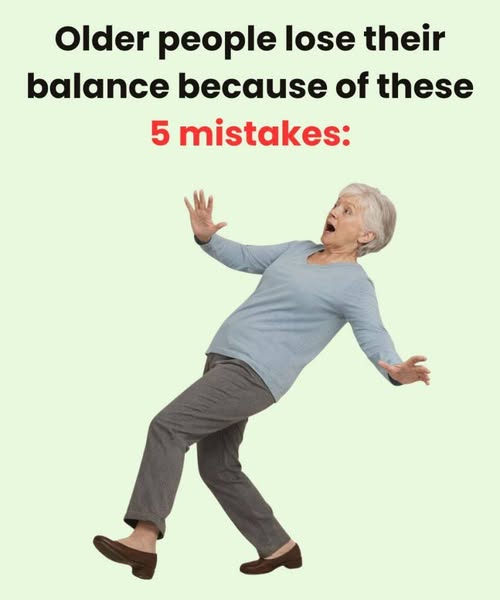
Common Mistakes That Affect Balance in Older Adults
Good balance is something many people take for granted—until they suddenly feel unsteady. As we age, changes in muscle strength, vision, joint flexibility, reaction time, and the inner ear can all influence how securely we move.
The good news is that some balance problems are made worse by everyday habits that can be changed. Recognizing these mistakes can help older adults stay active and reduce their risk of falling.
1. Being Too Inactive
One of the biggest mistakes is avoiding movement because of fear of falling.
Spending most of the day sitting can gradually weaken the legs and core muscles that help keep the body stable. Less activity can also reduce flexibility and confidence.
Gentle walking, strength exercises, and balance activities appropriate for your abilities can help maintain physical function.
2. Ignoring Changes in Vision
Clear vision plays an important role in balance.
Difficulty seeing obstacles, steps, uneven surfaces, or changes in lighting can make falls more likely. Regular eye examinations can help identify vision problems that may be treatable.
Make sure frequently used areas of the home are well lit, particularly stairs, hallways, and bathrooms.
3. Wearing Unsafe Footwear
Loose slippers, worn-out shoes, slippery soles, and high heels can make it harder to maintain stability.
Choose comfortable footwear that fits properly and provides good support and traction. Avoid walking around on slippery floors in socks when possible.
4. Getting Up Too Quickly
Standing suddenly after sitting or lying down can sometimes cause lightheadedness or a temporary drop in blood pressure.
If you often feel dizzy when standing, take your time. Sit at the edge of the bed for a moment, move your feet, and stand gradually while holding onto something stable if needed.
Frequent dizziness should be discussed with a healthcare professional, particularly if it causes near-fainting or falls.
5. Taking Medications Without Reviewing Their Effects
Some medications can cause side effects such as dizziness, drowsiness, weakness, or changes in blood pressure.
Older adults often take several medications, which makes it especially important to have them reviewed periodically by a doctor or pharmacist.
Never stop a prescribed medication on your own. Ask a healthcare professional whether any medication could be contributing to balance problems.
6. Clutter and Tripping Hazards at Home
Even excellent balance won’t prevent every fall.
Loose rugs, electrical cords, cluttered walkways, poorly positioned furniture, and objects left on stairs can create unnecessary hazards.
Keep frequently used pathways clear and consider adding grab bars or other safety equipment where appropriate.
7. Neglecting Leg and Core Strength
Balance isn’t just about standing still. Your muscles need to react quickly when you stumble or change direction.
Weakness in the legs, hips, and core can make it harder to recover from a loss of balance.
Appropriate strength exercises—such as chair stands, supervised squats, or resistance exercises—can help maintain functional strength.
8. Not Drinking Enough Fluids
Dehydration can contribute to weakness, dizziness, and confusion, which may make staying steady more difficult.
Older adults may not always feel thirsty even when they need fluids. Unless a healthcare professional has given you specific fluid restrictions, make regular hydration part of your daily routine.
9. Trying to Walk Through Pain or Weakness
Pain in the feet, knees, hips, or back can change the way a person walks. Over time, compensating for pain may affect posture and stability.
Don’t simply accept persistent pain or weakness as an unavoidable part of aging. A healthcare professional or physical therapist can help identify the cause and recommend appropriate treatment or exercises.
10. Assuming Balance Problems Are “Just Aging”
This may be the most important mistake of all.
A gradual change in balance deserves attention rather than automatic dismissal. Balance problems can sometimes be associated with vision problems, inner-ear disorders, neurological conditions, medication side effects, low blood pressure, or other medical issues.
When to Seek Medical Attention
Seek prompt medical evaluation if balance problems are new, sudden, rapidly worsening, or accompanied by symptoms such as severe headache, weakness or numbness on one side, difficulty speaking, vision changes, fainting, chest pain, or severe dizziness.
These symptoms can indicate a medical emergency.
Simple Ways to Support Better Balance
A healthy balance routine can include:
- Regular walking and appropriate physical activity
- Leg and core strengthening
- Balance exercises suited to your ability
- Regular vision checks
- Properly fitted supportive footwear
- Keeping floors and walkways clear
- Reviewing medications with a healthcare professional
- Staying adequately hydrated
- Using handrails and appropriate support when necessary
Final Thoughts
Losing balance isn’t something older adults should simply accept as inevitable. While aging can bring changes that affect stability, staying active, maintaining strength, addressing vision and health problems, and making the home safer can all help support mobility and independence.
If you’re already experiencing frequent unsteadiness or falls, talk with a healthcare professional rather than trying to manage the problem alone.