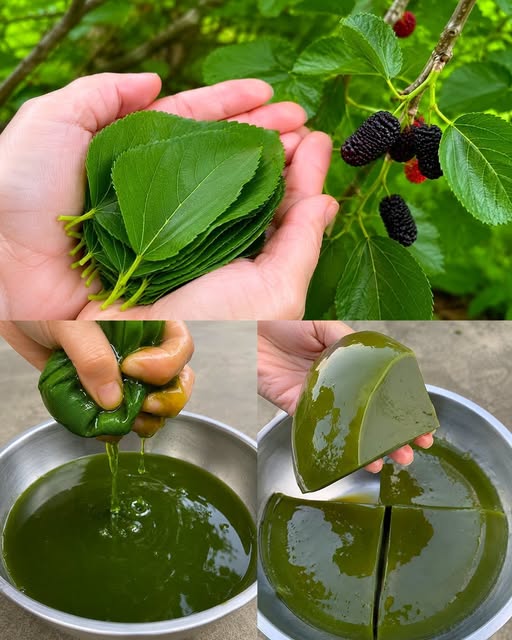
These humble leaves may offer impressive nutritional and traditional wellness benefits. Learn what makes them special, how they are commonly used, and important precautions to keep in mind.
Sometimes, the most valuable ingredients aren’t the expensive ones sitting on a supermarket shelf. They can be the simple leaves growing in gardens, fields, or even nearby trees.
For generations, different cultures have used certain edible leaves in cooking and traditional wellness practices. Some are naturally rich in vitamins, minerals, antioxidants, and other plant compounds that can complement a healthy diet.
Why These Leaves Can Be So Valuable
Leafy plants can provide important nutrients while adding very few calories to a meal. Depending on the specific plant, edible leaves may contain vitamin C, vitamin K, folate, calcium, iron, potassium, fiber, and various antioxidant compounds.
Their nutritional value, however, depends entirely on the type of leaf. Not every leaf found outdoors is safe to eat.
A Simple Way to Add Them to Your Diet
If you have correctly identified an edible variety, leaves can often be:
- Added to soups and stews
- Cooked with vegetables
- Mixed into salads
- Added to omelets or savory dishes
- Used in smoothies when appropriate for that particular plant
- Dried and used as a culinary herb
Cooking methods can also affect nutrient content, so gentle cooking is often preferable to prolonged boiling.
Don’t Assume Every Leaf Is Edible
This is one of the most important precautions.
Never eat an unidentified leaf simply because someone online claims that it has health benefits. Some plants have poisonous leaves, while others can cause digestive problems or interact with medications.
If you’re unsure what plant you have, identify it using a reliable botanical source or consult a qualified professional before consuming it.
Traditional Use Isn’t the Same as Medical Proof
Many leaves have been used traditionally for generations, but traditional use doesn’t automatically prove that a plant can treat or cure a disease.
Some plants have promising research behind them, while others have very limited scientific evidence. It’s important to distinguish between nutritional benefits, traditional uses, and clinically proven medical effects.
The Bottom Line
The natural world contains many nutritious plants that deserve more attention, and edible leaves can certainly be part of a healthy diet.
But the real treasure is knowing which leaves are safe, how to prepare them, and how they fit into your overall nutrition.
Before trying any unfamiliar plant, make sure it has been positively identified and is known to be safe for human consumption.