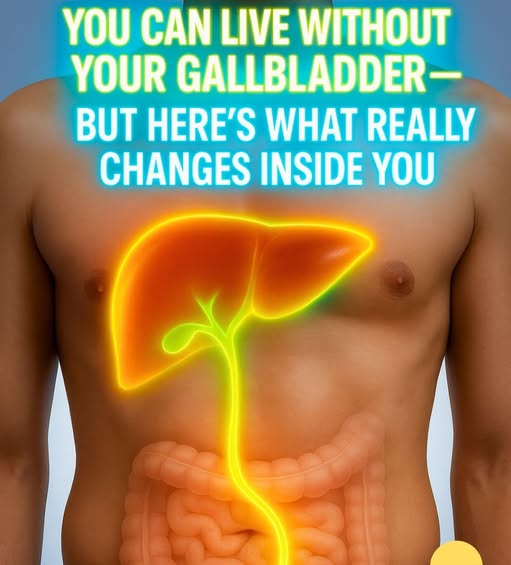
You can live normally without a gallbladder, but digestion changes after removal. Learn what the gallbladder does, what happens after surgery, and which symptoms may occur during recovery.
Many people are surprised to learn that you can live without your gallbladder. The gallbladder is useful, but it isn’t an essential organ for survival.
If it needs to be removed because of gallstones, inflammation, infection, or another medical problem, your body can continue functioning without it. However, digestion does change because bile is handled differently.
What Does the Gallbladder Actually Do?
The gallbladder is a small, pear-shaped organ located beneath the liver.
Your liver continuously produces bile, a digestive fluid that helps your body break down and absorb fats. The gallbladder’s main job is to store and concentrate bile until it is needed.
When you eat a meal—especially one containing fat—the gallbladder normally contracts and releases stored bile into the small intestine.
What Happens When the Gallbladder Is Removed?
During gallbladder removal, also called a cholecystectomy, the liver continues making bile.
The major difference is that there is no longer a gallbladder available to store and concentrate it.
Instead, bile flows more continuously from the liver through the bile ducts and into the small intestine.
This means you can still digest food, but your digestive system handles bile differently.
Can You Still Eat Normally?
Most people eventually return to a normal, balanced diet after recovering from gallbladder surgery.
However, some people notice that certain foods—particularly large, greasy, or very fatty meals—cause digestive symptoms.
During the early recovery period, smaller meals and gradually reintroducing higher-fat foods may be easier to tolerate.
Possible Changes After Surgery
Not everyone experiences noticeable long-term effects, but some people may develop:
- Loose stools or diarrhea
- Bloating
- Gas
- Abdominal discomfort
- Increased sensitivity to fatty foods
- Changes in bowel habits
For many people, these symptoms improve as the digestive system adapts.
Persistent or severe symptoms should be discussed with a healthcare professional because they may have causes other than gallbladder removal.
What About Weight Gain?
Gallbladder removal itself does not automatically cause weight gain.
Changes in eating habits, activity levels, recovery, and the foods a person tolerates can influence weight after surgery. Maintaining a balanced diet and regular physical activity remains important.
Are There Any Long-Term Problems?
Most people live healthy, normal lives after gallbladder removal.
The surgery eliminates problems caused by a diseased gallbladder, such as recurrent gallstone attacks. Nevertheless, complications can occasionally occur, and some people develop ongoing digestive symptoms.
Seek medical attention for severe or worsening abdominal pain, persistent vomiting, fever, yellowing of the skin or eyes, or other concerning symptoms after surgery.
The Bottom Line
Your gallbladder may be removed, but your liver continues producing bile and your body can still digest food.
The biggest change is how bile reaches your digestive system. Instead of being stored and released in larger amounts when needed, bile flows more continuously into the intestine.
For most people, the body adapts well, and life eventually returns to normal.