france faced a widespread and intense heat wave, with temperatures climbing sharply across many departments. Find out which areas experienced the hottest conditions and how to stay safe during extreme heat.
France experienced a major spell of extreme heat in June 2026, with temperatures rising across large parts of the country.
Weather authorities described the episode as a widespread, prolonged and intense heat wave, with particularly high temperatures affecting large areas of central, eastern and southern France. Public-health authorities warned that prolonged heat can place additional pressure on the body, particularly among older adults, young children and people with existing health problems.
Which Areas Were Among the Hottest?
During the Friday peak, some of the highest temperatures were forecast across parts of central and northern France.
Reported forecasts included temperatures around:
- 38°C in parts of Loiret
- 37°C around Reims
- 37°C around Paris
- 37°C around Auxerre
- 36°C around Troyes
- 35°C around Mâcon
- 35°C around Chartres
The heat was not limited to a single region. A large area stretching from the southwest toward the northeast was affected by elevated temperatures and heat alerts.
Why Was This Heat Wave So Concerning?
The danger of extreme heat isn’t determined only by the maximum temperature.
Duration matters.
When temperatures remain unusually high for several consecutive days, the body has less opportunity to cool down and recover. This can increase the risk of dehydration, heat exhaustion and heatstroke.
France’s public-health authorities have repeatedly emphasized that heat waves can have significant health consequences. During previous severe heat episodes, emergency medical activity increased in affected regions.
Older Adults Are Particularly Vulnerable
Older people can be especially vulnerable during extreme heat.
The body’s ability to regulate temperature can become less efficient with age, while some medications and chronic conditions can further increase sensitivity to heat.
Family members and caregivers should check on older relatives regularly during prolonged hot weather.
Children Also Need Extra Protection
Young children can become dehydrated more quickly than adults.
Parents should make sure children:
- Drink fluids regularly
- Spend the hottest part of the day somewhere cool
- Wear lightweight clothing
- Avoid strenuous outdoor activity during peak heat
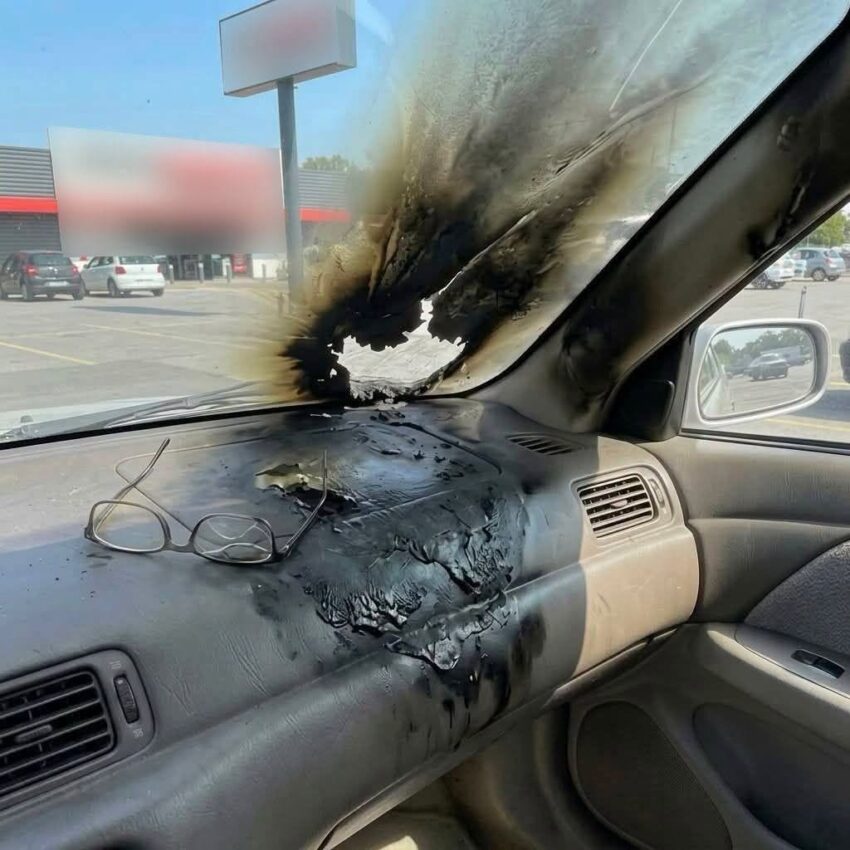
- Never remain unattended inside a parked vehicle
Even a short period in a hot vehicle can become dangerous.
Don’t Wait Until You Feel Extremely Thirsty
Thirst isn’t always the best warning signal.
During very hot weather, drink fluids regularly and increase intake when you’re sweating heavily, unless a healthcare professional has specifically advised you to restrict fluids.
Water is generally the simplest choice.
People doing strenuous outdoor work or exercise may need additional strategies to replace fluids and electrolytes lost through heavy sweating.
Be Careful With Outdoor Exercise
Exercise during extreme heat can place considerable stress on the cardiovascular system.
If possible, move outdoor workouts to the cooler parts of the day.
During a severe heat wave, it’s better to reduce intensity, take frequent breaks and stop if you develop symptoms such as dizziness, weakness, headache, nausea or unusual confusion.
Heatstroke Is an Emergency
Heat exhaustion can progress to heatstroke, which is a medical emergency.
Warning signs can include:
- Confusion
- Loss of consciousness
- Very high body temperature
- Severe weakness
- Unusual behavior
- Seizures
If someone appears to have heatstroke, seek emergency medical assistance immediately and begin cooling the person while waiting for help.
Keep Your Home as Cool as Possible
During a heat wave, simple measures can make a significant difference.
Close blinds or curtains when the sun is strongest.
If the outdoor temperature is cooler than indoors, ventilate the home during cooler periods. Fans and air conditioning can also help, but remember that fans alone may not be sufficient when temperatures become extremely high.
Try to spend time in a cooler location if your home becomes dangerously hot.
Don’t Forget Pets
Animals can also suffer during extreme temperatures.
Provide pets with:
- Plenty of fresh water
- Shade
- Good ventilation
- A cool place to rest
Avoid walking dogs during the hottest part of the day because pavement can become hot enough to injure their paws.
Why France Has Seen Increasing Heat Risks
Heat waves have become an increasingly important public-health concern across Europe.
France experienced multiple significant heat episodes during 2026. Santé publique France reported that a major June heat wave was widespread and prolonged, with severity described as close to or equivalent to the historic 2003 episode in some regional assessments.
The country’s summer monitoring system tracks heat-related health indicators because extreme temperatures can increase emergency visits and other health problems.
A Hot Day Can Become Dangerous When It Lasts
One unusually warm afternoon is usually very different from several consecutive days of extreme heat.
During prolonged heat:
The body works harder → sweating increases → fluid loss rises → dehydration risk increases.
This is why authorities emphasize prevention rather than waiting until people become seriously ill.
Final Thoughts
The June 2026 heat wave demonstrated how quickly extreme temperatures can affect a large part of France.
With temperatures approaching the upper 30s Celsius in some locations, residents were urged to take precautions, especially people who are older, very young, living alone, working outdoors, or managing health conditions that can increase heat sensitivity.
Extreme heat should be taken seriously.
Stay hydrated, avoid strenuous activity during the hottest hours, keep living spaces cool, check on vulnerable people, and seek urgent medical help if signs of heatstroke appear.