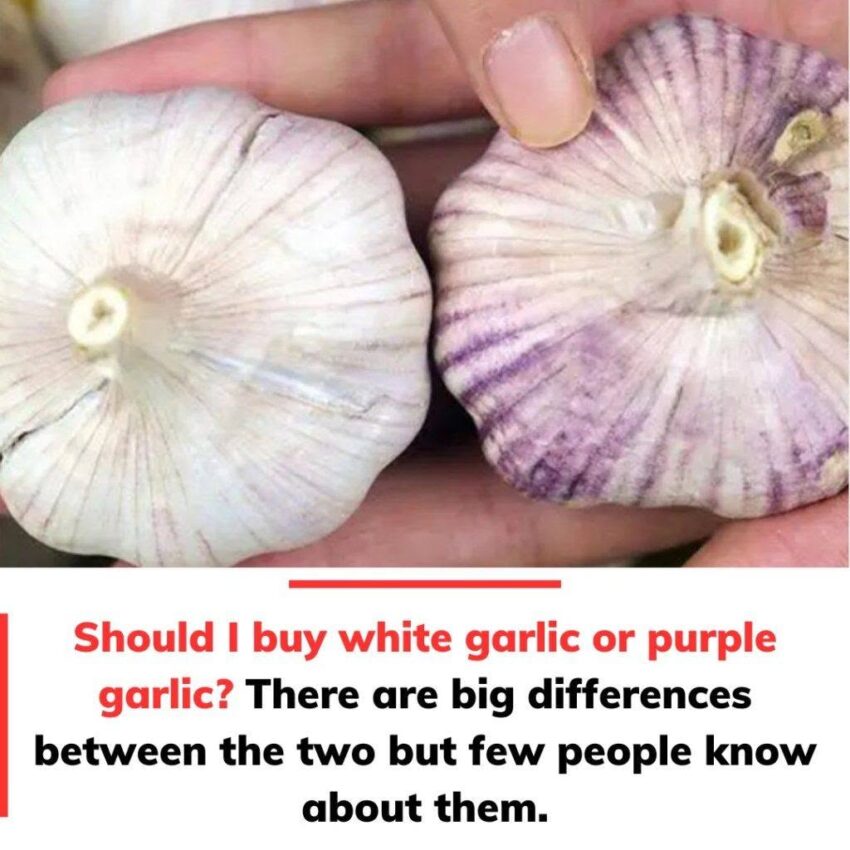
White garlic and purple garlic differ in appearance, flavor, texture, storage, and growing characteristics. Learn the key differences and discover which garlic is best for cooking, flavor, and everyday use.
Garlic may look like a simple ingredient, but walk through a farmers’ market or grocery store and you may notice bulbs with bright white skins alongside varieties with beautiful purple or reddish streaks.
So, what is the difference between white garlic and purple garlic? Is one healthier? Does one have a stronger flavor? And which should you choose for everyday cooking?
The short answer is that both can be excellent choices. The differences are mainly related to garlic variety, growing conditions, flavor, texture, storage, and how you plan to use it.
Let’s take a closer look.
What Is White Garlic?
White garlic is the familiar type found in many supermarkets. Its outer skin is usually white or cream-colored, although the exact appearance can vary depending on the variety.
White garlic is often selected for its:
- Mild to moderately strong flavor
- Firm cloves
- Good storage life
- Versatility in cooking
- Familiar taste and aroma
Many white-skinned garlic varieties are well suited to long-term storage, which is one reason they are so commonly available throughout the year.
When raw, garlic can taste sharp, hot, and pungent. Cooking mellows that intensity and brings out a sweeter, more rounded flavor.
What Is Purple Garlic?
Purple garlic isn’t necessarily a completely different species from white garlic. The purple color usually comes from pigments in the skin surrounding the cloves.
Depending on the variety, purple garlic may have white bulbs with purple streaks or more noticeably purple outer layers.
Purple garlic varieties can differ considerably from one another, but they are often appreciated for:
- Stronger or more complex flavor
- Aromatic cloves
- A slightly sweeter or spicier character in some varieties
- Attractive appearance
- Easy-to-peel cloves in certain varieties
The exact taste depends on the cultivar and growing conditions, so it isn’t accurate to say that every purple garlic variety tastes exactly the same.
White Garlic vs. Purple Garlic: The Main Differences
Here’s a simple comparison:
| Feature | White Garlic | Purple Garlic |
|---|---|---|
| Skin color | Usually white or cream | White with purple streaks or purple outer skin |
| Flavor | Mild to moderately pungent | Often more aromatic and pronounced |
| Texture | Firm and crisp when fresh | Often firm and juicy when fresh |
| Clove size | Varies by variety | Varies by variety |
| Storage | Often excellent | Depends heavily on variety |
| Appearance | Classic and familiar | Colorful and distinctive |
| Best use | Everyday cooking | Dishes where stronger flavor is desired |
Remember that these are general tendencies rather than strict rules. Garlic varieties can behave differently even within the same color group.
Does Purple Garlic Taste Stronger?
This is one of the most common questions.
Some purple garlic varieties do have a more pronounced, spicy, or complex flavor than mild white varieties. This can make them especially appealing when garlic is supposed to be one of the main flavors in a dish.
For example, purple garlic can be delicious in:
- Roasted vegetables
- Garlic butter
- Pasta
- Homemade sauces
- Marinades
- Grilled meats
- Garlic bread
- Dips and dressings
White garlic, on the other hand, can be ideal when you want garlic flavor without allowing it to dominate the entire dish.
However, variety matters more than color alone. A strongly flavored white garlic can be more pungent than a mild purple variety.
Which Garlic Is Healthier?
Both white and purple garlic contain naturally occurring sulfur compounds and other plant compounds.
Garlic’s best-known compounds are associated with its characteristic smell and taste. When garlic is chopped, crushed, or chewed, chemical reactions produce compounds such as allicin.
Research has investigated garlic for a variety of potential health effects, including cardiovascular and metabolic health. However, garlic should be viewed as a nutritious food rather than a cure or replacement for medical treatment.
Purple-skinned garlic also contains pigments that contribute to its color. These compounds are part of the plant’s natural chemistry, but the presence of purple skin does not automatically mean that purple garlic is dramatically healthier than white garlic.
In everyday life, the bigger win is simply including garlic as part of a varied, balanced diet.
What About Antioxidants?
Garlic contains several compounds with antioxidant activity, and researchers have studied how different garlic varieties compare.
Purple coloration is associated with naturally occurring anthocyanin-related pigments in some garlic varieties. These pigments are also found in many other colorful plant foods.
That said, comparing garlic varieties solely by their antioxidant content can be misleading.
The amount and type of plant compounds can vary depending on:
- Garlic variety
- Soil
- Climate
- Harvest time
- Storage conditions
- Processing
- Cooking method
So, rather than worrying about whether white or purple garlic is the ultimate “super garlic,” choose the variety you enjoy and use it regularly in wholesome meals.
Which One Has More Allicin?
This is another area where internet claims can become exaggerated.
Allicin is produced when garlic tissue is damaged, such as when the cloves are crushed or chopped. Different garlic varieties can produce different amounts of sulfur compounds.
However, you cannot reliably assume that all purple garlic contains more allicin than all white garlic.
The variety, freshness, preparation, and handling of the garlic all matter.
If you’re interested in maximizing the formation of garlic’s characteristic sulfur compounds, crushing or chopping fresh garlic before eating or cooking is more relevant than simply choosing a bulb based on its skin color.
Is Purple Garlic Easier to Peel?
Sometimes.
Certain purple garlic varieties are known for having cloves that separate easily, making them convenient when you’re preparing a large amount of garlic.
But peeling difficulty varies by variety and freshness.
If you hate spending several minutes peeling garlic, try different varieties from local markets and see which one works best for you.
A simple trick is to place separated cloves under the flat side of a chef’s knife and gently press down. The skin often loosens immediately.
Which Garlic Lasts Longer?
Storage life depends strongly on the garlic variety.
Some white garlic varieties are particularly well known for their ability to remain usable for months when stored properly.
Certain purple or purple-striped varieties may have excellent storage life too, while others are better enjoyed relatively soon after harvest.
For the longest storage:
- Keep garlic dry.
- Store it somewhere cool and well ventilated.
- Avoid sealed plastic bags.
- Keep whole bulbs intact until needed.
- Keep garlic away from excessive moisture.
- Don’t refrigerate whole bulbs unless there’s a specific reason to do so.
A pantry, cupboard, or another dry location with good airflow is generally better than a damp kitchen area.
Which Garlic Is Better for Cooking?
That depends on the dish.
Choose White Garlic When:
You want a dependable, everyday garlic that works well in almost anything.
White garlic is excellent for:
- Soups
- Stews
- Curries
- Rice dishes
- Pasta
- Stir-fries
- Sauces
- Roasted meats
- Everyday vegetables
Its familiar flavor makes it an easy all-purpose choice.
Choose Purple Garlic When:
You want garlic to make more of a statement.
Try purple garlic when preparing:
- Roasted garlic
- Garlic-forward sauces
- Fresh dressings
- Bruschetta
- Grilled vegetables
- Garlic butter
- Mediterranean-style dishes
- Recipes where the garlic flavor is prominent
Its distinctive appearance can also make it attractive when you’re buying garlic for a farmers’ market basket or kitchen display.
What Happens When You Roast Them?
Roasting changes garlic dramatically.
Raw garlic can be sharp and spicy. Slow roasting softens the cloves and develops a sweeter, more mellow flavor.
Both white and purple garlic can be roasted.
Simply cut the top from a whole bulb, drizzle lightly with olive oil, wrap or place it in a covered baking dish, and roast until the cloves become soft and golden.
The result can be spread onto:
- Toast
- Baked potatoes
- Vegetables
- Chicken
- Pasta
- Sandwiches
Purple-skinned garlic may lose some of its striking exterior color during cooking, but the cloves can still provide excellent flavor.
Can You Substitute Purple Garlic for White Garlic?
Absolutely.
In most recipes, you can substitute one for the other.
The main difference you’ll notice is flavor intensity.
If the purple variety you’re using is particularly pungent, you may want to start with slightly less and adjust according to taste.
Likewise, if you’re replacing a strong purple variety with a milder white garlic, you may want to add a little more garlic to achieve the same intensity.
Is One Better for Raw Garlic?
If you’re making something where garlic remains raw, such as:
- Salad dressing
- Tzatziki
- Salsa
- Garlic dip
- Aioli
- Fresh sauces
the variety can make a noticeable difference.
A strongly flavored garlic can provide a powerful punch, while a milder variety may create a more balanced result.
Because raw garlic is much more intense than cooked garlic, start conservatively and add more if needed.
The Color Doesn’t Tell the Whole Story
One important point often gets overlooked: garlic color isn’t a perfect indicator of quality or nutritional value.
A beautiful purple bulb isn’t automatically better than a white one.
Likewise, a plain-looking white bulb isn’t necessarily inferior.
When choosing garlic, pay attention to the actual condition of the bulb.
Look for garlic that is:
- Firm
- Dry
- Heavy for its size
- Free from visible mold
- Free from soft or wet spots
- Not excessively sprouted
Avoid bulbs that feel unusually soft, damp, or damaged.
What About Sprouted Garlic?
If garlic begins producing a green shoot inside the clove, it doesn’t necessarily mean the garlic is unsafe.
Sprouted garlic can still be usable if the cloves are otherwise firm and free from mold or spoilage.
However, the flavor can become more bitter or intense.
If you prefer a milder flavor, cut the clove open and remove the green shoot before using it.
White or Purple: Which Should You Choose?
For most people, the answer is simple:
Choose the garlic that tastes best to you, fits your recipe, and is fresh and properly stored.
If you want an affordable, versatile kitchen staple, white garlic is an excellent choice.
If you enjoy a more distinctive appearance and potentially stronger, more complex flavors, try purple garlic.
And if you’re interested in nutrition, don’t get too caught up in the color debate. Both can contribute valuable plant compounds to a healthy diet.
The Bottom Line
White garlic and purple garlic aren’t really competitors where one universally wins.
They’re different varieties with overlapping culinary uses and different flavor characteristics.
White garlic: dependable, versatile, and often excellent for storage.
Purple garlic: attractive, aromatic, and often a great choice when you want more pronounced garlic flavor.
The best approach may be to keep both in your kitchen.
Use mild white garlic for everyday cooking and reach for purple garlic when you want your garlic to stand out.
After all, the best garlic is usually the one that makes you want to cook with it.