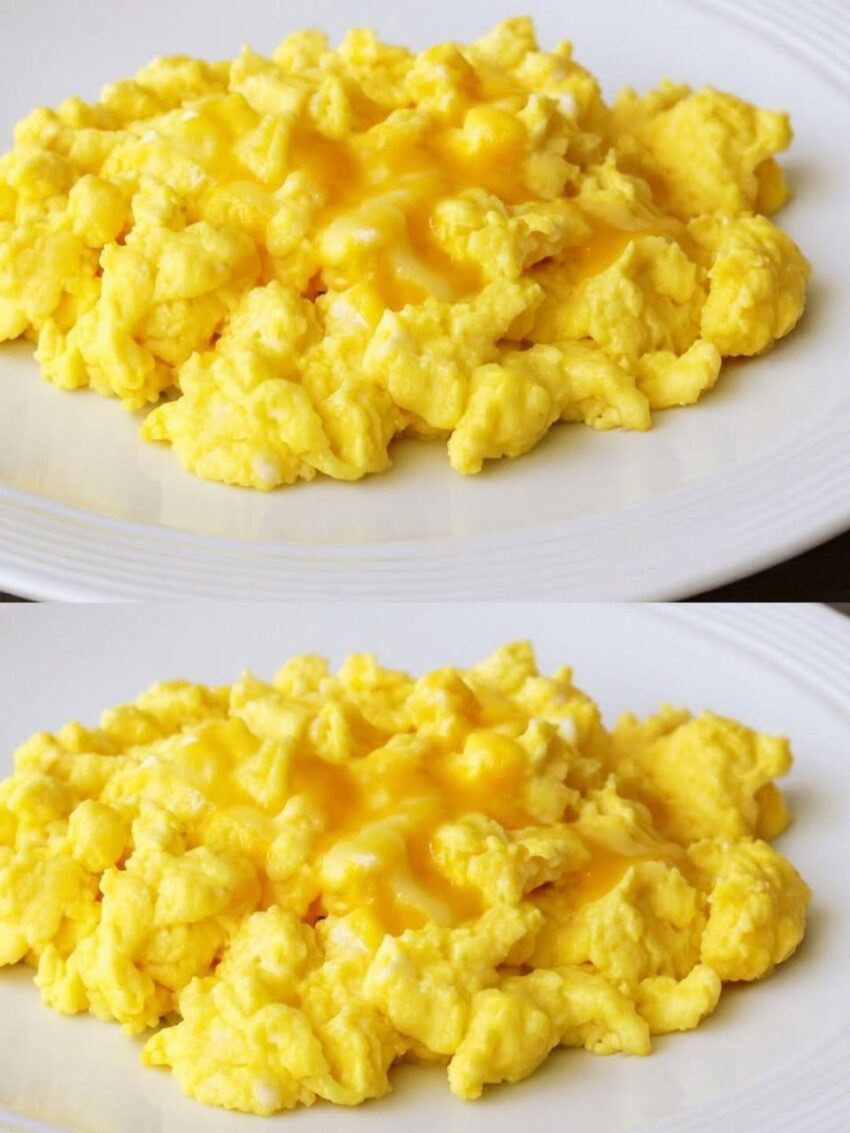
Learn how to make creamy Gordon Ramsay-style scrambled eggs with simple ingredients and a few chef-approved techniques. Perfect for a quick, luxurious breakfast.
Scrambled eggs may be one of the simplest breakfasts, but getting them creamy, soft, and perfectly cooked takes a little technique. One of the most famous approaches is associated with celebrity chef Gordon Ramsay, whose scrambled eggs are known for their rich texture, small curds, and luxurious consistency.
The secret isn’t a complicated ingredient list. It’s mostly about how you cook the eggs.
Instead of cooking them slowly until they become dry and rubbery, this method uses a hot pan, constant movement, and careful timing. The eggs are removed from the heat before they become completely firm, allowing their residual heat to finish the cooking.
Ingredients
For about 2 servings, you’ll need:
- 6 large eggs
- 1 tablespoon butter
- Salt, to taste
- Freshly ground black pepper, to taste
- 1–2 tablespoons crème fraîche, optional
For serving:
- Toast or crusty bread
- Chives, finely chopped
- A little extra black pepper
How to Make Gordon Ramsay-Style Scrambled Eggs
1. Crack the eggs directly into a cold saucepan
Crack the eggs into a small nonstick saucepan.
Add the butter.
A key feature of this technique is that you don’t need to whisk the eggs vigorously beforehand. The eggs can begin cooking in the pan while you stir them.
2. Place the pan over medium-high heat
Put the saucepan on the stove over medium-high heat.
Immediately begin stirring the eggs with a spatula.
Scrape the bottom and sides of the pan continuously, moving the eggs around so that they cook evenly.
3. Keep the eggs moving
This is one of the most important parts of the recipe.
Don’t simply leave the eggs sitting in the pan.
Stir and fold them constantly. As the eggs begin to thicken, you’ll notice small, creamy curds forming.
The goal is to cook them enough to become creamy and set while avoiding large, dry pieces.
4. Remove the pan from the heat
Once the eggs begin to look thick and creamy, take the saucepan off the heat.
Continue stirring.
This helps prevent the eggs from continuing to cook too quickly.
If necessary, briefly return the pan to the heat and then remove it again. This alternating process gives you much more control over the final texture.
5. Season at the right time
Add salt toward the end of cooking rather than at the very beginning.
Continue stirring until the eggs reach a soft, creamy consistency.
Remember that scrambled eggs continue cooking from residual heat, so it’s better to remove them from the stove slightly before they look completely finished.
6. Add crème fraîche
For an especially rich and creamy result, stir in a spoonful or two of crème fraîche after taking the eggs off the heat.
This also cools the eggs slightly and helps stop the cooking process.
If you don’t have crème fraîche, you can simply leave it out.
What Makes This Method Different?
The biggest difference is the cooking technique.
Many people make scrambled eggs by whisking them, pouring them into a hot pan, and leaving them relatively undisturbed.
That can produce larger curds.
The Gordon Ramsay-style approach focuses on continuous stirring and temperature control, producing smaller, softer curds with a creamy consistency.
It’s less about following a complicated recipe and more about learning when to move the pan on and off the heat.
The Biggest Mistake: Overcooking the Eggs
If your scrambled eggs are dry, firm, or slightly rubbery, they’re probably overcooked.
Eggs contain proteins that tighten as they heat. The longer they remain on the stove, the firmer they become.
For creamy scrambled eggs, take them off the heat while they’re still slightly loose.
They should look glossy rather than completely dry.
Should You Add Milk?
You don’t need milk to make creamy scrambled eggs.
The creaminess comes primarily from gentle cooking, constant stirring, butter, and stopping the cooking at the right moment.
Adding a small amount of dairy can change the texture, but it isn’t necessary for this style of scrambled egg.
Tips for Perfect Scrambled Eggs Every Time
Use fresh eggs
Fresh eggs generally give you a better texture and flavor.
Don’t use excessive heat
Although this method begins over relatively high heat, the eggs need constant attention. If they’re cooking too aggressively, lower the temperature.
Keep stirring
The spatula should almost always be moving.
Scrape the bottom of the pan and fold the eggs repeatedly.
Take them off early
This is perhaps the most important lesson.
If the eggs look completely cooked while they’re still in the pan, they’ll probably be overcooked by the time they reach your plate.
Use a nonstick pan
A quality nonstick saucepan makes it much easier to control the eggs and prevents sticking.
What to Serve With Scrambled Eggs
These creamy eggs are delicious with simple sides.
Try serving them with:
- Buttered sourdough toast
- Avocado
- Grilled tomatoes
- Sautéed mushrooms
- Crispy bacon
- Smoked salmon
- Roasted asparagus
- Fresh chives
- Hash browns
For a simple restaurant-style breakfast, spoon the eggs over warm toast and finish with freshly cracked black pepper and chopped chives.
Gordon Ramsay-Style Scrambled Eggs Without Crème Fraîche
Don’t worry if you don’t have crème fraîche.
You can still make excellent scrambled eggs using just:
Eggs + butter + salt + pepper
The cooking technique matters more than the extra ingredient.
Cook the eggs until they’re creamy, remove them from the heat, continue stirring, and serve immediately.
How to Make Them Extra Luxurious
If you’re preparing breakfast for guests or simply want something special, try serving the eggs with:
Creamy scrambled eggs + toasted sourdough + smoked salmon + chives + black pepper
The combination of rich eggs, crisp toast, smoky salmon, and fresh herbs makes a simple breakfast feel much more sophisticated.
Frequently Asked Questions
Why are my scrambled eggs watery?
They may have been undercooked, or liquid ingredients may have been added in excess. Cook them gently until they are creamy and just set.
Why did my scrambled eggs become rubbery?
The most common reason is overcooking. Eggs continue cooking from residual heat even after you remove the pan from the stove.
Can I make this recipe with fewer eggs?
Absolutely. For one person, use 2–3 eggs and reduce the butter proportionally.
Can I use a frying pan instead of a saucepan?
Yes. A small nonstick frying pan works well, although a saucepan makes it particularly easy to stir and control the eggs.
Do I need crème fraîche?
No. It’s optional. Butter and proper cooking technique are enough to produce delicious scrambled eggs.
Final Thoughts
Great scrambled eggs don’t require dozens of ingredients. The real secret is temperature, movement, timing, and knowing when to stop cooking.
Start with fresh eggs and butter, keep the eggs moving as they cook, take the pan off the heat while they’re still slightly soft, and serve immediately.
The result is creamy, glossy scrambled eggs that can turn an ordinary breakfast into something that feels wonderfully indulgent.