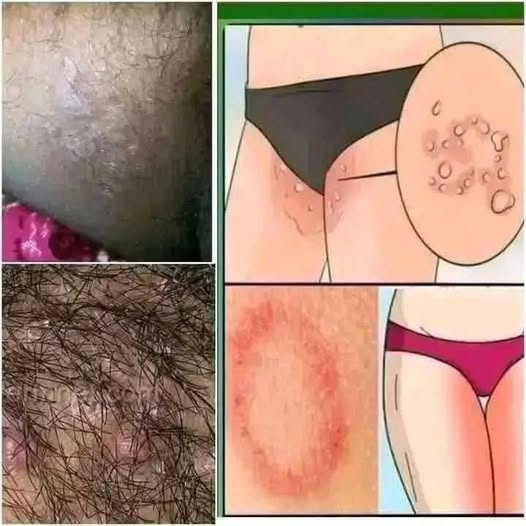
Sometimes a lump, swelling, cyst, mole, or other unusual change on the body may remain stable for a long time. In other cases, you may notice gradual changes that suggest the area is becoming larger or changing in character.
The important thing to remember is that growth does not automatically mean cancer. Many common and harmless conditions can become larger because of inflammation, hormonal changes, infection, fluid accumulation, or other non-cancerous causes.
However, a noticeable change should not simply be ignored—especially when it is persistent or accompanied by other symptoms.
1. You Notice an Increase in Size
One of the most obvious signs that an abnormal area may be growing is a measurable increase in its size.
You might notice that:
- A lump feels larger than it did previously.
- A swelling is becoming more prominent.
- A mole or skin lesion appears to be expanding.
- Clothing or jewelry begins fitting differently around the area.
- You can see or feel a change that was not present before.
Try not to rely only on memory. If you are monitoring a visible area, taking occasional photographs or noting approximate measurements can help you recognize genuine changes.
2. The Shape Begins to Change
Growth is not always simply an increase in size.
Sometimes an area may become:
- Wider
- Thicker
- More raised
- Uneven
- Irregularly shaped
A changing shape can be particularly important when you are monitoring a skin lesion or mole.
For skin changes, doctors often consider the ABCDE warning signs: asymmetry, irregular borders, multiple or changing colors, increasing diameter, and especially evolution or change over time.
3. The Area Becomes Harder or Firmer
A lump that changes in texture deserves attention.
You may notice that something which previously felt soft has become:
- Firm
- Hard
- More solid
- Less movable
- Different from the surrounding tissue
Texture alone cannot tell you whether a growth is harmless or serious. Benign lumps can also be firm. Nevertheless, a new or changing lump is worth discussing with a healthcare professional.
4. New Pain or Tenderness Develops
Some growths cause no pain at all, while others may become uncomfortable as they enlarge or affect nearby tissues.
Pay attention if you develop:
- Persistent tenderness
- Pressure
- Aching
- Burning
- Sensitivity when touched
- Pain that gradually becomes worse
Pain does not automatically mean that something is dangerous. Infections and inflammation, for example, can cause significant tenderness.
5. The Skin Over the Area Changes
When a growth is close to the skin, you may notice visible changes.
These can include:
- Redness
- Swelling
- Warmth
- Darkening or lightening
- Changes in texture
- Scaling
- Bleeding
- Crusting
- A wound that does not heal normally
A changing skin lesion should be evaluated rather than diagnosed based solely on appearance.
6. The Area Starts Affecting Nearby Structures
As something becomes larger, it may sometimes put pressure on surrounding tissues.
Depending on its location, this could result in symptoms such as:
- Difficulty swallowing
- Changes in movement
- Pressure or fullness
- Persistent headaches
- Changes in vision
- Difficulty breathing
- Abdominal discomfort
- Changes in urination or bowel habits
These symptoms have many possible causes, so they should not automatically be attributed to a growth. The location and accompanying symptoms matter.
7. Swelling Does Not Go Away
Temporary swelling can occur after an injury, infection, allergic reaction, or other everyday causes.
But swelling that persists, repeatedly returns, or progressively increases should be assessed.
This is particularly important if there is no obvious explanation for it.
8. You Notice New Lumps Nearby
Sometimes people discover more than one unusual lump or swelling.
For example, enlarged lymph nodes can occur during infections, but persistent or progressively enlarging lymph nodes should be checked by a healthcare professional.
Do not assume that every nearby lump represents the spread of another condition. There are many possible explanations.
9. There Are General Changes in Your Health
Some serious illnesses can produce symptoms beyond the area where the abnormal growth is located.
Possible warning signs include:
- Unexplained weight loss
- Persistent fatigue
- Recurrent fever
- Night sweats
- Loss of appetite
- Ongoing weakness
These symptoms are very nonspecific and are commonly caused by conditions that have nothing to do with cancer. Their significance depends on the overall clinical picture.
10. The Change Continues Over Time
Perhaps the most important thing to watch is evolution.
A stable, unchanged spot is different from something that repeatedly changes in:
- Size
- Shape
- Color
- Texture
- Pain
- Bleeding
- Function
Keeping track of changes can make it easier for your doctor to understand what has happened over time.
When Should You See a Doctor?
Make an appointment with a healthcare professional if you notice a new lump, swelling, mole, or other abnormal area that:
- Continues getting larger
- Does not go away
- Becomes hard or fixed
- Changes in appearance
- Bleeds without an obvious reason
- Causes persistent pain
- Is associated with unexplained weight loss or other concerning symptoms
A doctor may examine the area and, depending on the situation, recommend tests such as an ultrasound, blood tests, imaging, or a biopsy.
When to Seek Urgent Medical Attention
Some symptoms require prompt medical care rather than waiting for a routine appointment.
Seek urgent help for symptoms such as:
- Severe difficulty breathing
- Sudden weakness or confusion
- Heavy or uncontrolled bleeding
- Severe chest pain
- Sudden vision loss
- Severe or rapidly worsening symptoms
The Most Important Point
A growing lump or changing body area does not automatically mean cancer. Many benign conditions can enlarge or change.
At the same time, persistent or progressive changes should not be ignored.
The safest approach is to pay attention to changes, avoid trying to diagnose the condition yourself, and have a healthcare professional evaluate anything that is new, growing, or otherwise concerning.
Your body does not need to give you a dramatic warning before something deserves attention. Sometimes, the earliest clue is simply that something has changed.