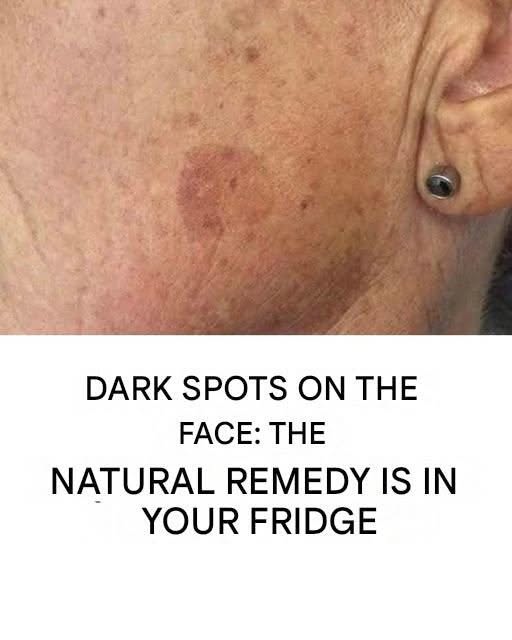
Looking for ways to reduce facial blemishes and dark spots? Learn which skincare ingredients have evidence behind them, what to avoid mixing into creams, and how to build a gentle routine for clearer-looking skin.
Facial blemishes can be frustrating. Just when one pimple disappears, another may appear—or a dark mark can remain behind for weeks or months.
This is why headlines promising that adding one simple ingredient to your favorite cream will make blemishes “a distant memory” can be so tempting.
But there is an important distinction between a viral beauty tip and a skincare method supported by dermatologists.
There is no single ingredient that can guarantee the permanent removal of every blemish. Acne can have different causes, and the right treatment depends on whether you’re dealing with pimples, clogged pores, post-acne dark spots, irritation, or another skin condition.
The good news is that there are proven approaches that can help.
What Are Facial Blemishes?
“Blemishes” is a broad term that can describe several different skin concerns, including:
- Pimples
- Whiteheads
- Blackheads
- Dark marks left after acne
- Red or purple marks
- Uneven skin tone
- Certain types of pigmentation
Acne itself can appear as whiteheads, blackheads, pimples, cysts, or nodules.
Not every dark spot is acne, however. Some pigmentation problems, such as melasma, require a different approach.
That’s why identifying the problem is the first step toward treating it properly.
Why Blemishes Can Leave Dark Marks
After an acne lesion heals, some people develop a flat dark area where the blemish used to be.
This is called post-inflammatory hyperpigmentation (PIH).
These marks aren’t necessarily permanent scars. They can gradually fade, although some may remain for months or longer. The American Academy of Dermatology notes that darker spots can be particularly noticeable and persistent in people with darker skin tones.
Picking or squeezing pimples can make matters worse.
It can increase inflammation and raise the risk of scarring and dark spots.
Ingredients That Can Actually Help
Instead of randomly mixing household ingredients into a face cream, consider skincare products containing ingredients with evidence for treating acne or pigmentation.
1. Salicylic Acid
Salicylic acid can help unclog pores and is commonly used for whiteheads and pimples.
It works by helping remove dead skin cells and reducing pore blockage.
For acne-prone skin, a properly formulated salicylic-acid product is generally preferable to adding raw ingredients to another cream.
2. Benzoyl Peroxide
Benzoyl peroxide is another established acne treatment.
It helps reduce acne-causing bacteria and can be particularly useful for inflammatory pimples. Dermatologists may use it alone or alongside other acne treatments.
It can cause dryness or irritation in some people, so following the product instructions is important.
3. Azelaic Acid
Azelaic acid is particularly interesting because it can help with both acne and the dark spots that may remain after acne clears.
The American Academy of Dermatology lists azelaic acid as an acne treatment that can unclog pores, reduce inflammation, and help fade post-acne dark spots.
4. Retinoids
Retinoids are vitamin-A-based ingredients used in dermatology.
They can help unclog pores and treat acne. Certain retinoids can also help improve dark spots left behind after acne.
Adapalene is one retinoid available without a prescription in some markets, while others require medical supervision.
However, retinoids can irritate the skin, especially when someone starts using them too frequently.
The AAD recommends introducing them carefully and using moisturizer to help reduce irritation.
Important: topical retinoids should not be used during pregnancy.
What About Adding Something to Your Existing Cream?
This is where caution is important.
A moisturizer is formulated with a specific combination of ingredients, preservatives, pH, and texture.
Adding lemon juice, baking soda, toothpaste, essential oils, or other kitchen ingredients can change how the product behaves on your skin and may cause irritation.
Irritated skin can actually make acne and pigmentation problems more noticeable.
Dermatologists generally recommend gentle skincare rather than aggressive scrubbing or irritating DIY treatments.
So rather than modifying your moisturizer, it is usually safer to choose a properly formulated product designed for your particular concern.
Don’t Forget Sunscreen
If you’re trying to fade dark marks, sun protection is one of the most important parts of the routine.
UV exposure can darken pigmentation and make it harder for marks to fade.
The American Academy of Dermatology recommends broad-spectrum sunscreen with SPF 30 or higher, along with other sun-protection measures.
For acne-prone skin, look for a sunscreen labeled:
“Non-comedogenic” or “won’t clog pores.”
This can help reduce the chance that your sunscreen contributes to clogged pores.
A Simple Routine for Blemish-Prone Skin
You don’t need ten different products.
A simple routine can be easier to follow and less irritating.
Morning
Step 1: Use a gentle cleanser.
Step 2: Apply an appropriate treatment product if needed.
Step 3: Use a lightweight, non-comedogenic moisturizer.
Step 4: Finish with broad-spectrum SPF 30 or higher.
Evening
Step 1: Gently cleanse your face.
Step 2: Apply your chosen acne treatment according to its instructions.
Step 3: Apply moisturizer.
Avoid introducing several powerful active ingredients simultaneously. Irritation can make the skin look worse and may contribute to pigmentation problems.
What You Should NOT Do
Sometimes the desire for quick results leads people to try harsh home remedies.
Avoid aggressively scrubbing your face.
Avoid squeezing pimples.
Avoid repeatedly applying irritating substances.
Avoid constantly switching between different acne treatments.
The AAD specifically recommends gentle cleansing and warns that picking, popping, or squeezing acne can increase the risk of scars and dark spots.
Give Your Skin Time
One of the biggest mistakes people make is expecting overnight results.
Acne treatments usually need time.
The AAD notes that some adult acne treatments may require several weeks before noticeable improvement and longer for substantial clearing.
Constantly changing products can also irritate the skin.
Instead, choose an appropriate routine, follow the directions, and give the treatment enough time to work.
When Should You See a Dermatologist?
Consider professional evaluation if:
- Your acne is deep or painful.
- Breakouts are widespread.
- You are developing scars.
- Dark marks are becoming extensive.
- Over-the-counter treatment isn’t helping.
- Your skin burns or becomes severely irritated.
- You’re unsure whether the spots are actually acne.
- Your pigmentation keeps returning.
Deep nodules and cysts can require professional treatment, and persistent acne can increase the risk of scarring.
The Bottom Line
The idea of adding one secret ingredient to a cream and making blemishes disappear sounds appealing, but there is no guaranteed one-ingredient cure for facial blemishes.
A better approach is to identify the type of blemish you’re dealing with and use skincare ingredients with established evidence behind them.
Ingredients such as salicylic acid, benzoyl peroxide, azelaic acid, and appropriate retinoids can play a role in acne treatment, while sunscreen is essential for helping prevent pigmentation from becoming darker.
Most importantly, be gentle with your skin.
Clearer skin usually comes from consistency, appropriate treatment, sun protection, and patience—not harsh DIY mixtures.
Frequently Asked Questions
Can one ingredient remove all facial blemishes?
No. Different blemishes have different causes, and no single ingredient is guaranteed to eliminate every type of acne or pigmentation.
What is good for acne and dark spots?
Azelaic acid can be useful for both acne and post-acne dark spots. Retinoids may also help acne and pigmentation, although they aren’t suitable for everyone.
Does sunscreen really matter for dark spots?
Yes. Sun exposure can worsen pigmentation. Dermatologists recommend broad-spectrum SPF 30 or higher as part of pigmentation care.
Should I squeeze pimples?
It’s best not to. Picking, popping, and squeezing can increase inflammation and the risk of scarring and dark marks.
How quickly can blemishes disappear?
It depends on the type of blemish and treatment. Acne treatments often require several weeks to show meaningful improvement, so consistency is important.