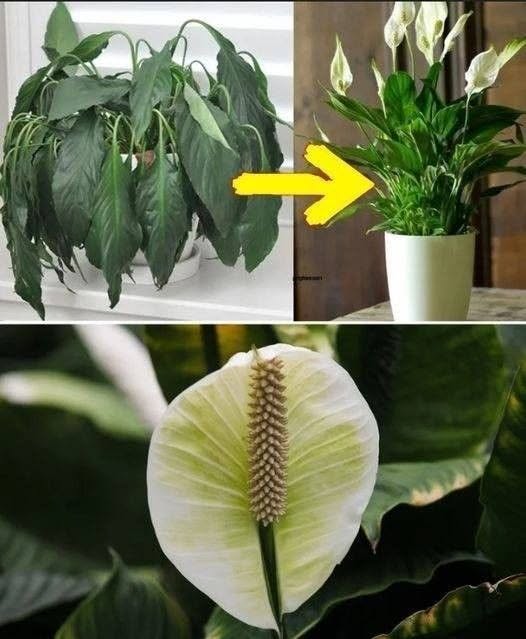
There is something incredibly satisfying about seeing a struggling houseplant suddenly produce fresh leaves and beautiful flowers again. When a plant looks weak, stops blooming, or develops pale leaves, many gardeners immediately start looking for a simple ingredient they can add to the soil.
You may have heard the popular gardening tip of adding one tablespoon of a homemade ingredient directly into the pot. But before putting anything into your plant’s soil, it is important to understand what the plant actually needs.
A plant doesn’t necessarily need a mysterious “miracle” ingredient. In many cases, better blooming comes from correcting problems with light, watering, drainage, nutrients, and pot size.
Why Your Plant May Have Stopped Blooming
Several common problems can prevent a flowering plant from producing new blooms.
Not Enough Light
Light is one of the biggest factors affecting flowering.
Many flowering houseplants need bright light to produce enough energy for buds and flowers. If your plant is growing in a dark corner, try moving it gradually toward a brighter location while avoiding sudden exposure to intense direct sunlight if the plant isn’t accustomed to it.
Too Much Water
Overwatering can be just as harmful as underwatering.
Constantly wet soil can reduce oxygen around the roots and contribute to root problems. Rather than watering according to a strict calendar, check the soil and the plant’s individual needs.
Make sure the pot has drainage holes so excess water can escape.
Poor Nutrition
Plants require nutrients to produce healthy foliage, roots, and flowers. If a plant has been growing in the same potting mix for a long time, available nutrients may become limited.
A suitable balanced or flowering-plant fertilizer, used according to its label directions, is generally more predictable than adding random kitchen ingredients to the soil.
What About the “1 Tablespoon” Trick?
Many homemade plant remedies circulate online, involving ingredients such as baking soda, sugar, coffee grounds, or other household products.
The problem is that more fertilizer or a stronger homemade mixture does not necessarily mean more flowers.
Adding concentrated substances directly to the soil can sometimes change soil chemistry or increase salts around the roots. Sensitive plants may respond poorly.
If you want to experiment with a homemade gardening method, use caution and avoid assuming that a remedy works for every species.
A Better Way to Encourage New Blooms
Instead of relying on one ingredient, give your plant the basic conditions it needs.
1. Provide Appropriate Light
Find out how much light your particular plant prefers. Flowering plants generally need adequate light to support blooming.
2. Water According to the Plant
Check the soil before watering. Different plants have very different moisture requirements.
3. Improve Drainage
Never allow a decorative outer pot or saucer to remain filled with standing water for long periods.
4. Feed Carefully
Use a fertilizer appropriate for your plant and follow the manufacturer’s recommended dilution and frequency. Avoid repeatedly adding concentrated homemade mixtures.
5. Remove Spent Flowers
For many flowering plants, removing faded blooms can make the plant look tidier and may encourage continued flowering, depending on the species.
6. Check for Pests
Tiny insects, sticky residue, distorted new growth, webbing, or unusual leaf spots can indicate a pest problem. Treating the underlying issue is often more important than adding fertilizer.
Don’t Forget the Roots
Sometimes the problem is underneath the soil.
If your plant is repeatedly wilting despite adequate watering, smells unpleasant at the soil line, or has roots that are dark and mushy, inspect the root system if appropriate for that plant.
Healthy roots are essential for absorbing water and nutrients.
The Secret Is Usually Consistency
A struggling plant rarely needs a dramatic treatment. More often, it needs its growing conditions corrected and maintained consistently.
Give it suitable light, appropriate watering, good drainage, adequate nutrition, and enough time to recover.
And if you’re considering adding a tablespoon of something directly to the pot, identify the plant and the ingredient first. A method that may be harmless for one plant can be unsuitable for another.
Final Thoughts
The idea that one tablespoon of a household ingredient can instantly transform a struggling plant is appealing, but there is no universal recipe that guarantees beautiful blooms.
The most reliable approach is to understand your plant’s individual needs and correct the conditions that are preventing healthy growth.
Sometimes, the “secret” isn’t a miracle ingredient at all—it is simply the right light, the right amount of water, healthy roots, and appropriate nutrition.
Meta Description
Learn why flowering plants stop blooming and how light, watering, drainage, nutrients, and proper care can help a struggling potted plant produce beautiful new flowers.