Don’t let supermarket meat labels fool you. Learn how to check freshness, packaging, storage, sell-by dates, color, smell, and other warning signs before buying meat.
Walking through the supermarket meat aisle can make everything look perfectly fresh. Bright packaging, attractive colors, discounted stickers, and carefully displayed cuts can create the impression that every package is equally safe and fresh.
But there are several things shoppers should understand before putting meat into their carts.
A supermarket date label doesn’t tell you everything about food safety, and the color of meat isn’t always a reliable indicator of freshness. More importantly, meat can become unsafe because of improper storage or handling even when the date on the package hasn’t passed.
So instead of believing dramatic claims that supermarkets are secretly selling a particular type of “bad” meat, it’s better to know what you can actually check yourself.
1. Don’t Judge Meat by Color Alone
Many people assume bright-red beef automatically means fresher meat.
That’s not necessarily true.
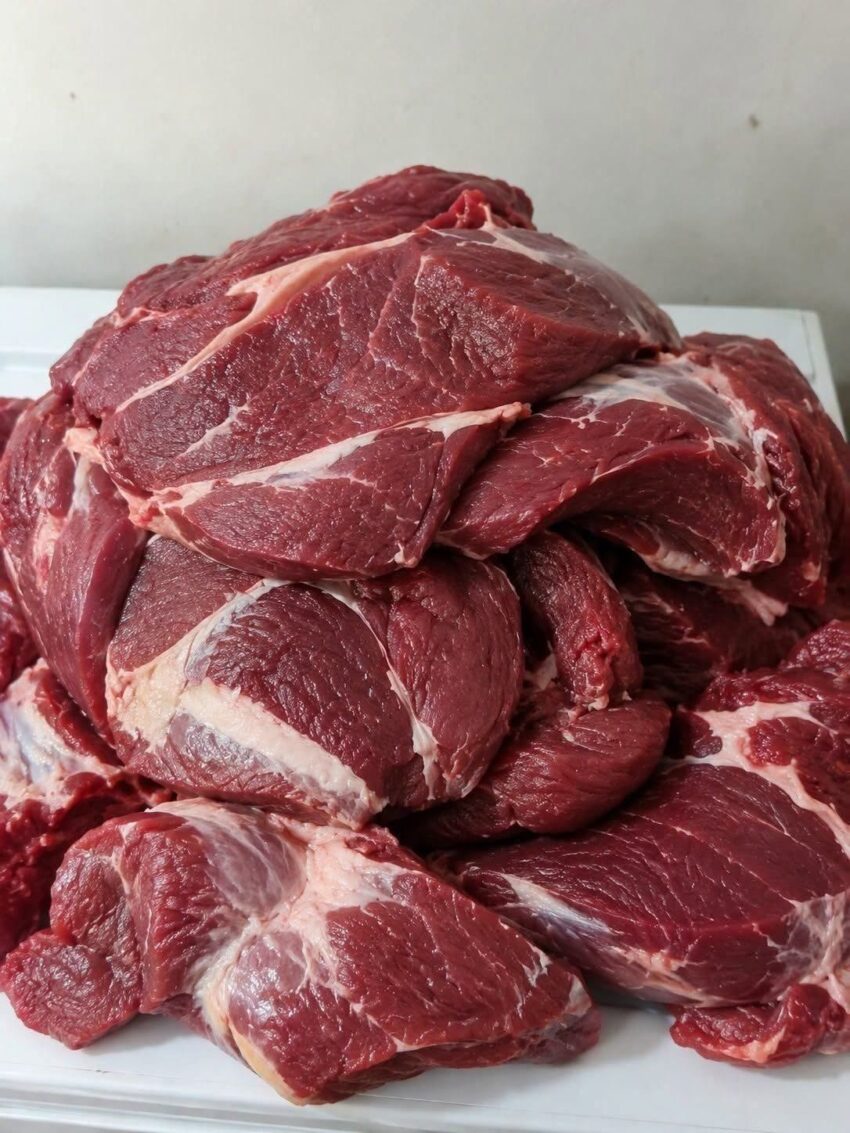
Freshly cut beef can initially appear purplish-red because of the natural state of the meat pigment. After exposure to oxygen, it can develop the familiar bright-red color shoppers associate with freshness.
Brownish color inside a package doesn’t automatically mean the meat is spoiled. However, color changes combined with an unpleasant odor, sticky texture, damaged packaging, or improper storage are much more concerning.
2. Check the Package Carefully
Before buying meat, look closely at the packaging.
Avoid packages with:
- Broken or leaking seals
- Excessive liquid leakage
- Torn plastic
- Punctures
- Severely damaged trays
- Swollen packaging
- Meat that appears to have been exposed
A damaged package can increase the opportunity for contamination and should be treated cautiously.
3. Understand “Sell-By” and “Use-By” Dates
One of the biggest sources of confusion is the date printed on the package.
A sell-by date is primarily intended to help retailers manage inventory. It doesn’t necessarily mean the meat suddenly becomes unsafe on that date.
However, perishable meat still needs to be handled and refrigerated properly. A date cannot make improperly stored meat safe.
Always follow the storage instructions provided on the package and use or freeze meat promptly.
4. Discounted Meat Isn’t Automatically Bad
Those yellow or red discount stickers can make shoppers suspicious.
But discounted meat isn’t necessarily unsafe.
Supermarkets may reduce prices because a product is approaching its quality or sell-by date, because they’re trying to reduce inventory, or for other ordinary retail reasons.
If you buy discounted meat, pay particular attention to the date, package condition, refrigeration, and how quickly you plan to cook or freeze it.
A discount alone isn’t evidence that the meat is dangerous.
5. Be Careful With Ground Meat
Ground beef, ground poultry, and other ground meats require particular attention because grinding increases the amount of surface area exposed to potential contamination.
That’s why proper refrigeration and thorough cooking are especially important.
Don’t rely on the outside appearance of ground meat to determine whether it is safe.
When cooking ground meat, use a food thermometer rather than judging doneness solely by color.
6. Don’t Wash Raw Meat to Make It “Cleaner”
Some people rinse chicken, beef, or other raw meat before cooking.
This can actually spread bacteria around the kitchen through splashing water.
Instead of washing raw meat, place it directly into the pan, oven, grill, or other cooking method and clean surfaces and utensils properly afterward.
7. The Refrigerator Temperature Matters
Even perfectly packaged meat can become unsafe if your refrigerator isn’t cold enough.
Keep perishable meat properly refrigerated and don’t leave it sitting at room temperature for extended periods.
If you’re shopping for several items, consider picking up refrigerated and frozen foods toward the end of your shopping trip and get them home promptly.
8. Don’t Trust Your Nose Alone
An unpleasant smell can be an obvious warning sign, but the absence of a bad smell doesn’t guarantee that meat is safe.
Some harmful microorganisms don’t produce obvious changes in smell, appearance, or taste.
That’s why safe handling and proper cooking are just as important as inspecting the package.
Never taste raw or questionable meat to determine whether it is safe.
9. “Fresh” Doesn’t Mean Risk-Free
The word fresh can be persuasive, but fresh meat is still a raw animal product that requires careful handling.
Keep raw meat separate from foods that are ready to eat.
Use separate cutting boards when practical, wash your hands after handling raw meat, and clean countertops and utensils thoroughly.
Cross-contamination is one of the easiest ways bacteria can move from raw meat to foods that won’t be cooked.
10. Be Especially Careful With Poultry
Raw chicken and turkey require careful handling because poultry can carry bacteria capable of causing foodborne illness.
Keep poultry refrigerated, prevent its juices from contacting other foods, and cook it thoroughly.
Don’t assume chicken is safe simply because it looks normal.
What About Meat That Has Passed Its Date?
This is where many viral social-media posts get things wrong.
A date printed on meat isn’t the only factor determining safety.
You need to consider:
- What type of meat it is
- Whether the package is opened
- How cold it has been kept
- Whether it has been exposed to unsafe temperatures
- Whether the packaging is damaged
- How long it has been stored
- Whether there are signs of spoilage
When you aren’t confident that meat has been handled safely, don’t take the risk.
A Simple Supermarket Meat Checklist
Before putting a package of meat into your cart, ask yourself:
✓ Is the package intact?
✓ Is it properly refrigerated?
✓ Is the date appropriate for when I plan to use it?
✓ Is there unusual leakage?
✓ Does anything about the package look suspicious?
✓ Can I refrigerate or freeze it promptly after shopping?
These simple checks are much more useful than believing sensational claims about supermarkets secretly selling “bad” meat.
The Bottom Line
You don’t need to be afraid of buying meat from supermarkets—but you do need to be an informed shopper.
Don’t assume that bright-red meat is automatically fresh. Don’t assume that a discount means something is wrong. And don’t assume that a date label alone tells you whether meat is safe.
Instead, pay attention to packaging, storage, dates, handling, and cooking temperature.
The safest approach is simple: when meat has been improperly stored, the package is damaged, or you’re genuinely unsure about its safety, it’s better to discard it than gamble with food poisoning.