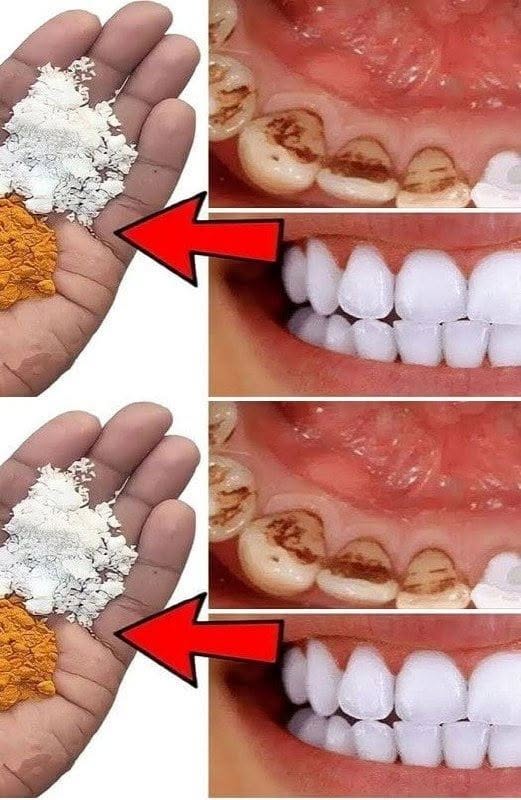
A bright smile can make you feel more confident, but whitening your teeth at home requires a little caution. Social media is full of DIY whitening tricks involving baking soda, lemon juice, charcoal, vinegar, fruit, and other household ingredients. Some may sound harmless, but they can be ineffective or potentially damaging to enamel and gums.
The good news is that you don’t necessarily need an expensive professional treatment to improve the appearance of your smile. Whitening toothpastes and certain over-the-counter whitening products can help with appropriate types of discoloration when they are used exactly as directed.
The key is understanding the difference between surface stains and discoloration that comes from inside the tooth.
What Causes Teeth to Look Yellow or Stained?
Teeth naturally become somewhat darker with age. Part of this is because enamel gradually becomes thinner and more translucent, allowing the naturally yellower dentin underneath to become more visible.
Other discoloration can come from foods, drinks, tobacco, and oral hygiene habits.
Common sources of surface staining include:
- Coffee
- Tea
- Cola and other dark beverages
- Red wine
- Dark berries
- Highly pigmented sauces
- Tobacco use
These are generally called extrinsic stains because they develop on the outside of the tooth. Whitening toothpaste can help remove some of these surface stains through gentle polishing or abrasion.
Surface Stains vs. Deeper Discoloration
This distinction is important.
Surface stains
Surface stains sit on or near the outer enamel and may respond well to regular brushing, professional cleaning, or whitening toothpaste.
Intrinsic discoloration
Intrinsic discoloration occurs within the tooth itself. Aging, certain medications, dental trauma, fluorosis, and other conditions can contribute to it.
Whitening products may lighten some intrinsic discoloration, but results vary depending on the cause. Whitening also does not change the color of crowns, veneers, fillings, or other tooth-colored restorations.
1. Start With a Whitening Toothpaste
For mild surface staining, a whitening toothpaste can be one of the simplest options.
Whitening toothpastes primarily work by using mild abrasives to physically remove surface discoloration. Some formulations also contain low levels of peroxide that can contribute to lightening.
For an added level of confidence, look for products carrying the ADA Seal of Acceptance where available. The American Dental Association says accepted stain-removal products have been evaluated for safety and effectiveness.
Remember that whitening toothpaste is generally better at removing surface stains than dramatically changing the natural underlying color of your teeth.
2. Consider Whitening Strips
Whitening strips are another at-home option. Many use peroxide to chemically lighten tooth discoloration rather than simply polishing away surface stains.
Over-the-counter products generally contain lower concentrations of whitening agents than professional treatments, so they may take longer to produce noticeable results.
Follow the manufacturer’s instructions carefully. Using a product more frequently or leaving it on longer than recommended does not necessarily produce better results and may increase irritation or sensitivity.
3. Dentist-Supplied At-Home Whitening
If you want a stronger approach while still whitening at home, ask a dentist about custom-made whitening trays.
Dentist-supervised trays are designed to fit your teeth and can deliver professional whitening gel at home according to a specific treatment plan. This approach can be particularly useful when you want more noticeable results while having professional guidance.
4. Brush and Floss Consistently
Whitening isn’t just about a special product.
Daily oral hygiene helps prevent plaque and stain buildup in the first place. Brush your teeth twice a day and clean between your teeth once a day.
Keeping the teeth clean can help maintain the appearance of a brighter smile between whitening treatments.
5. Reduce the Habits That Cause New Stains
If you regularly drink coffee or tea, whitening your teeth without addressing the source of staining can make it difficult to maintain results.
You don’t necessarily have to eliminate your favorite drinks. Instead, consider reducing how frequently you consume heavily pigmented beverages and maintain good oral hygiene afterward.
Tobacco is another major contributor to staining, so avoiding smoking and other tobacco products can help protect both the appearance and health of your mouth.
DIY Whitening Methods You Should Avoid
The internet has popularized many “natural” whitening remedies. Unfortunately, natural does not automatically mean safe.
Lemon Juice and Other Acidic Ingredients
Using lemon juice, vinegar, or other acidic substances directly on your teeth is not a good whitening strategy.
Acid can weaken dental enamel, and repeatedly exposing teeth to acidic substances can contribute to erosion.
Instead of trying to chemically strip stains from your teeth with kitchen ingredients, use products specifically designed and tested for oral care.
Charcoal
Activated charcoal has become a popular ingredient in whitening products and DIY recipes, but there is not enough evidence to establish that charcoal-based whitening methods provide reliable, safe whitening benefits.
The ADA specifically cautions against DIY charcoal whitening because abrasive approaches can potentially cause harm.
Oil Pulling
Oil pulling, including swishing coconut oil around the mouth, is frequently promoted as a natural whitening treatment.
However, the ADA states that there is no reliable evidence that oil pulling whitens teeth.
There is therefore little reason to rely on it when safer, evidence-based options are available.
Turmeric and Other Spices
Turmeric and other kitchen spices are sometimes promoted online as natural tooth whiteners.
There is no reliable evidence that turmeric whitens teeth, so using it as a replacement for proven whitening methods isn’t recommended.
Strawberry and Baking Soda Mixtures
A homemade strawberry-and-baking-soda treatment may sound appealing because strawberries contain acids and baking soda is mildly abrasive.
However, research discussed by the ADA found no measurable whitening improvement from this mixture.
Rather than repeatedly scrubbing your teeth with homemade mixtures, use an appropriately formulated oral-care product.
Be Careful With Baking Soda
Baking soda itself is found in many professionally formulated toothpastes and can help with cleaning and stain removal when properly formulated.
That is different from aggressively brushing your teeth with straight baking soda or combining it with acidic ingredients.
The goal should be gentle stain removal without unnecessarily wearing away enamel.
Whitening Can Cause Tooth Sensitivity
One of the most common side effects of peroxide-based whitening is temporary tooth sensitivity.
Some people may notice sensitivity to cold drinks, hot foods, or sweet foods during or shortly after treatment. Gum irritation can also occur, particularly if whitening gel comes into contact with the gums.
If sensitivity becomes uncomfortable, don’t simply increase the whitening treatment. Pause and speak with a dental professional if necessary.
Don’t Assume More Whitening Is Better
Using whitening products excessively can increase the risk of irritation and sensitivity.
Always follow the product’s directions.
A brighter smile is not worth damaging your enamel or irritating your gums.
When You Should See a Dentist Before Whitening
At-home whitening isn’t appropriate for every situation.
Consider speaking with a dentist before whitening if you have:
- Significant tooth sensitivity
- Tooth pain
- Bleeding or irritated gums
- Untreated cavities
- Cracked or damaged teeth
- Major discoloration affecting only one tooth
- Numerous crowns, veneers, or fillings
- Discoloration caused by an injury
- Severe or unexplained changes in tooth color
A dentist can determine whether you’re dealing with ordinary surface staining or a dental problem that requires treatment.
Whitening Won’t Whiten Dental Restorations
This is an important detail that many people overlook.
Whitening treatments can lighten natural teeth, but they don’t bleach the color of existing crowns, veneers, fillings, or other restorations in the same way. If you whiten natural teeth significantly, existing restorations may therefore become more noticeable because their color stays the same.
How to Keep Teeth Looking Whiter
Once you’ve achieved the appearance you want, maintenance matters.
A simple routine includes:
- Brush twice a day.
- Clean between your teeth daily.
- Limit frequent exposure to staining beverages and foods.
- Avoid tobacco.
- Follow whitening-product instructions carefully.
- Attend regular dental checkups and cleanings.
- Don’t repeatedly use harsh DIY whitening methods.
These habits can help reduce the buildup of new surface stains.
The Safest Approach to At-Home Whitening
If your goal is simply to remove mild coffee, tea, or food stains, start with good oral hygiene and a reputable whitening toothpaste.
If you want a more noticeable change, an appropriate over-the-counter whitening product may be an option. Look for products with credible safety and effectiveness information and follow the instructions precisely.
For significant discoloration or if you have existing dental problems, a dentist can help determine the safest and most effective approach.
Final Thoughts
Whitening your teeth at home doesn’t have to involve complicated kitchen remedies or aggressive scrubbing.
For surface stains, regular brushing, whitening toothpaste, and appropriate professional or over-the-counter whitening products can help. Peroxide-based whitening products can lighten teeth beyond simple surface stain removal, but they can also cause temporary sensitivity or gum irritation.
The methods to avoid are the ones that promise dramatic results without good evidence—particularly harsh acidic mixtures, aggressive abrasives, charcoal DIY treatments, and unproven “natural” whitening hacks.
A brighter smile is best achieved by choosing a method that improves appearance without sacrificing the health of your teeth and gums.
Meta Description
Learn how to whiten your teeth at home safely, including what helps remove surface stains, how whitening toothpaste and strips work, and which DIY remedies like lemon, charcoal, and oil pulling to avoid.