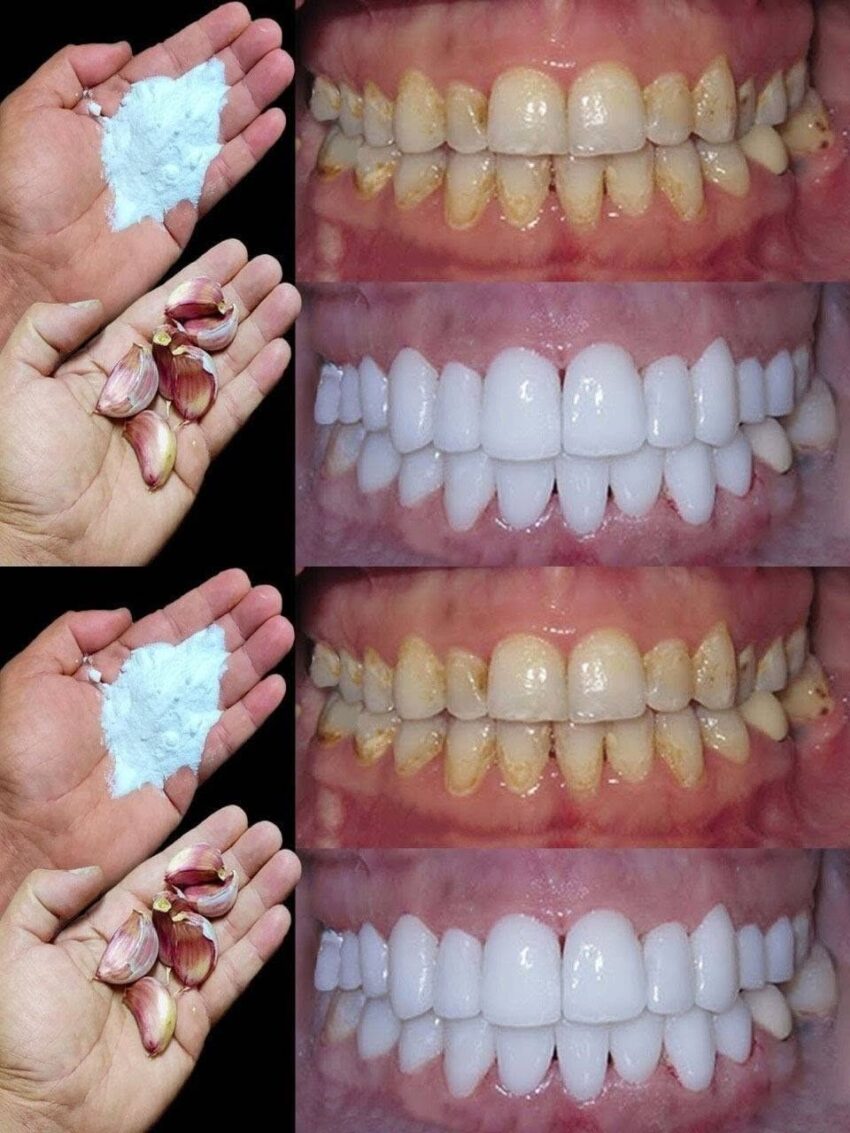
Want your smile to look fresher and brighter before heading out, taking photos, or meeting someone? You may have seen claims that you can whiten your teeth in just two minutes using lemon, baking soda, salt, or other kitchen ingredients.
The truth is a little different.
You cannot dramatically change the natural color of your teeth in two minutes with a home remedy. However, you can remove some surface buildup and stains and make your smile look cleaner and brighter with a simple two-minute routine.
The 2-Minute Teeth-Brightening Routine
Step 1: Choose a fluoride toothpaste
Start with a fluoride toothpaste. If surface staining from coffee, tea, tobacco, or certain foods is your concern, you can choose a toothpaste specifically designed to help remove surface stains.
Remember that whitening toothpaste generally works by removing or reducing surface stains. It does not bleach the deeper color of the tooth in the same way professional whitening treatments can.
Step 2: Brush gently for two minutes
Place a small amount of toothpaste on a soft-bristled toothbrush.
Brush all surfaces of your teeth using gentle, small circular motions. Pay particular attention to areas where plaque and staining commonly accumulate, including the gumline and the backs of the front teeth.
Avoid aggressive scrubbing. Brushing harder does not make teeth whiten faster and can irritate the gums or contribute to enamel wear.
A good two-minute routine should cover:
- The outside surfaces of your teeth
- The inside surfaces
- The chewing surfaces
- Along the gumline
- The backs of your front teeth
Step 3: Spit and rinse
After brushing, spit out the excess toothpaste. Follow the instructions on your toothpaste regarding rinsing.
Your mouth should feel noticeably cleaner, and your teeth may appear temporarily brighter because plaque and some surface debris have been removed.
What About Baking Soda?
Baking soda is frequently promoted online as a natural teeth-whitening ingredient. It has mild abrasive properties and can help remove some surface stains when used appropriately, which is why it appears in some commercial toothpastes.
However, that does not mean you should aggressively scrub your teeth with dry baking soda.
Excessive abrasion can wear down tooth surfaces, particularly when combined with vigorous brushing. If you want to use a baking-soda toothpaste, a commercially formulated toothpaste is a safer choice than repeatedly applying kitchen baking soda directly to your teeth.
Avoid the Lemon-and-Baking-Soda Trick
One of the most common DIY whitening recipes combines lemon juice with baking soda.
It may make teeth appear temporarily cleaner, but it isn’t a good whitening strategy.
Lemon juice is highly acidic. Frequent exposure to acids can contribute to enamel erosion. Once enamel is lost, it does not grow back.
Enamel erosion can also make teeth appear more yellow because the underlying dentin becomes more visible.
So a trick that promises an instantly white smile could ultimately work against the appearance you’re trying to achieve.
Can Hydrogen Peroxide Whiten Teeth?
Hydrogen peroxide is used in many professionally formulated whitening products because peroxide-based compounds can chemically break down certain tooth stains.
However, concentration and application matter.
Using concentrated hydrogen peroxide or experimenting with homemade mixtures can irritate the gums and mouth. It is better to use a properly formulated, approved whitening product according to its instructions rather than improvising with household chemicals.
Why Do Teeth Become Yellow?
Teeth naturally vary in color. They aren’t supposed to be perfectly bright white.
Over time, teeth can become darker or develop surface stains because of:
- Coffee
- Tea
- Cola and other dark beverages
- Tobacco
- Certain foods
- Plaque buildup
- Aging
- Changes in the enamel
- Naturally darker dentin becoming more visible
Some discoloration is located on the surface and can be reduced with good oral hygiene. Other discoloration occurs within the tooth and generally requires a whitening treatment to produce a noticeable change.
How to Keep Teeth Looking Brighter
A quick two-minute routine is useful, but your everyday habits matter much more.
Brush twice a day
Brush for approximately two minutes twice daily with fluoride toothpaste. Consistency is more important than aggressive brushing.
Clean between your teeth
Floss or use another appropriate interdental cleaning method to remove plaque from places a toothbrush cannot reach.
Be mindful of staining drinks
Coffee, tea, cola, and other strongly pigmented drinks can contribute to staining over time.
Don’t smoke
Smoking and tobacco use can cause significant tooth discoloration and also negatively affect oral health.
Visit your dentist regularly
Professional dental cleanings can remove hardened deposits and stains that cannot be removed effectively with ordinary brushing.
When You Need More Than Two Minutes
If your goal is genuine tooth whitening rather than simply removing surface debris, you’ll need more than a two-minute home routine.
Depending on your teeth and the type of discoloration, options can include whitening toothpaste, over-the-counter whitening products, dentist-supervised whitening, or professional in-office treatments.
A dentist can also determine whether discoloration is caused by ordinary staining or something that requires treatment.
The Bottom Line
There is no safe kitchen remedy that can dramatically whiten naturally colored teeth in exactly two minutes.
But you can give your smile a cleaner, fresher appearance in about two minutes by brushing properly with fluoride toothpaste and maintaining good oral hygiene.
And if you see a viral recipe telling you to scrub your teeth with lemon, vinegar, salt, or harsh abrasive mixtures, think twice. Protecting your enamel is far more important than achieving an instant whitening effect.
Quick Reminder
Two minutes can help your teeth look cleaner. It cannot magically transform their natural color. For significant whitening, choose evidence-based products or speak with a dental professional.