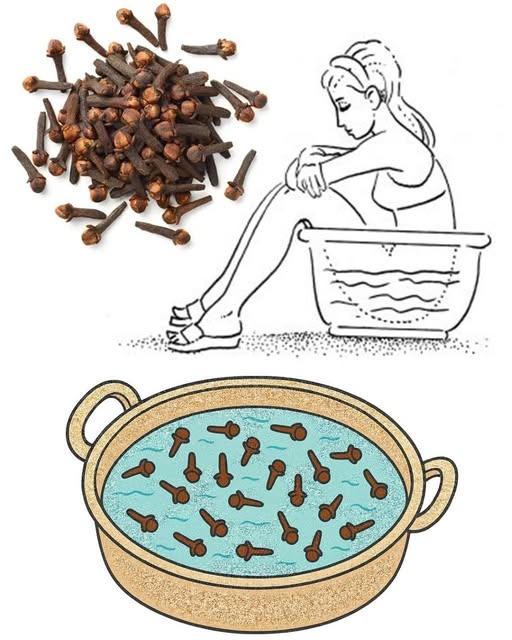
Cloves may be tiny, but they contain powerful natural compounds that have made them popular in traditional cooking and home remedies for centuries. Their strong aroma and warm, spicy flavor come largely from eugenol, a naturally occurring compound found in clove oil.
You may have seen claims online that cloves can transform your skin, hair, weight, hormones, or overall health overnight. Many of those claims are exaggerated. Still, cloves have some interesting properties and can be used in practical ways as part of a healthy lifestyle.
Here are some things every woman should know about cloves.
1. Cloves Are Rich in Antioxidant Compounds
Cloves contain plant compounds with antioxidant activity. Antioxidants help protect cells from oxidative stress caused by unstable molecules known as free radicals.
Adding cloves to foods such as oatmeal, tea, baked dishes, or savory recipes can be an easy way to incorporate this aromatic spice into your diet.
However, eating more cloves does not automatically mean better health. They should be treated as a spice rather than a miracle supplement.
2. Cloves May Support Oral Freshness
Clove has a long history of traditional use for oral care. Eugenol has antimicrobial properties, which is one reason clove-derived ingredients have been used in some dental products.
A whole clove can also provide a strong, warming flavor that temporarily freshens the mouth.
However, chewing cloves is not a replacement for brushing, flossing, fluoride toothpaste, or professional dental care.
If you have tooth pain, swelling, bleeding gums, or a suspected infection, see a dentist instead of relying on clove remedies.
3. Cloves Can Add Flavor Without Extra Sugar
For women trying to reduce added sugar, cloves can make certain foods and drinks more interesting without adding sugar.
Try adding a small amount of ground clove to:
- Oatmeal
- Unsweetened tea
- Coffee
- Baked apples
- Homemade smoothies
- Yogurt
- Pumpkin or squash dishes
Its strong flavor means that a little can go a long way.
4. Cloves May Be Useful in a Balanced Diet
Cloves contain small amounts of several nutrients and bioactive plant compounds. But because they are normally consumed in tiny quantities, they should not be considered a major nutritional source.
Think of cloves as one flavorful component of an overall diet that includes vegetables, fruit, whole grains, protein, healthy fats, and adequate hydration.
5. What About Cloves for Weight Loss?
This is where social media claims often go too far.
You may see recipes promising that clove water or clove tea will “melt belly fat” or dramatically speed up metabolism.
There is no good evidence that simply drinking clove water causes significant fat loss.
If you enjoy clove tea, you can certainly include it as a low-calorie beverage, particularly if you don’t add sugar. But sustainable weight management depends much more on your overall food intake, physical activity, sleep, and other lifestyle factors.
6. Can Cloves Improve Skin?
Clove contains compounds with antioxidant and antimicrobial activity, which has generated interest in cosmetic and skincare applications.
But that doesn’t mean applying concentrated clove oil directly to your face will give you clearer or younger-looking skin.
Clove oil can be irritating, particularly when used undiluted. Sensitive skin may react with burning, redness, or irritation.
If you want to use a clove-containing skincare product, choose a properly formulated product and follow its instructions rather than applying concentrated essential oil directly to your skin.
7. What About Cloves and Hair Growth?
Another popular online claim is that clove water or clove oil can dramatically increase hair growth.
There isn’t strong clinical evidence showing that ordinary clove water can make hair grow significantly faster or thicker.
Healthy hair depends on many factors, including genetics, nutrition, hormonal factors, scalp health, and overall health.
If you’re experiencing sudden or significant hair loss, it is better to identify the cause rather than relying on a homemade clove treatment.
8. Cloves and Menstrual Cramps
Cloves have been used traditionally in various cultures for discomfort and digestive complaints, and their compounds have biological activity.
However, strong evidence that drinking clove water specifically treats menstrual cramps is limited.
For recurring or severe menstrual pain, especially when it interferes with daily life, speak with a healthcare professional. Severe period pain can sometimes be associated with conditions that need medical evaluation.
9. How to Make Simple Clove Tea
If you enjoy the flavor, a mild clove infusion is an easy way to use the spice as a beverage.
Ingredients
- 2–3 whole cloves
- 1 cup of hot water
- Optional: cinnamon or a slice of ginger for flavor
Directions
Place the cloves in a cup and pour over hot water. Allow them to steep for several minutes, then remove the cloves before drinking.
You can drink it unsweetened or add a small amount of another ingredient for flavor.
This should be viewed as a flavorful beverage—not a treatment for disease, weight loss, or hormonal problems.
10. Don’t Confuse Whole Cloves With Clove Oil
This distinction is extremely important.
Whole cloves and culinary ground cloves are normally used in small amounts as food. Clove essential oil is highly concentrated.
Applying or swallowing concentrated essential oil can be very different from consuming a small amount of the spice.
Never assume that because a spice is safe in food, its concentrated essential oil is automatically safe to ingest.
Who Should Be Careful With Cloves?
Large amounts of cloves or concentrated clove products may not be appropriate for everyone.
Extra caution is sensible if you:
- Take blood-thinning medication
- Have a bleeding disorder
- Have a planned surgery
- Have a history of sensitivity to cloves
- Are considering concentrated clove supplements
- Are pregnant or breastfeeding and considering medicinal amounts
If any of these apply, discuss concentrated clove products with a healthcare professional before using them.
The Biggest Mistake to Avoid
Don’t believe that a single ingredient can replace a healthy lifestyle.
Cloves can be a useful spice, but they’re not a magic solution for weight loss, aging, hormonal balance, infertility, acne, hair loss, or chronic disease.
The most sensible approach is to enjoy cloves as part of food or a mild beverage while keeping expectations realistic.
Final Thoughts
Every woman doesn’t need a complicated collection of beauty and wellness products. Sometimes simple ingredients such as cloves can have a useful place in an everyday routine.
Cloves provide a distinctive flavor and contain naturally occurring plant compounds such as eugenol. They can be incorporated into meals and beverages, and clove-derived ingredients have established traditional and commercial uses.
But the most important lesson is to separate genuine benefits from viral health claims.
Use cloves as a spice—not a miracle cure—and you’ll get the benefits of this flavorful ingredient without relying on exaggerated promises.