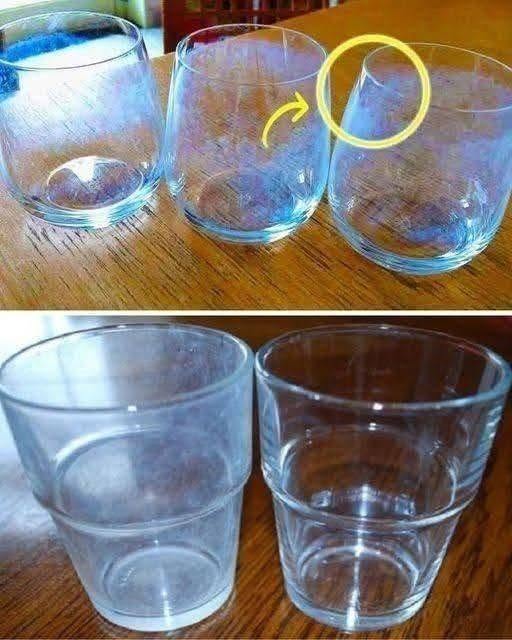
Learn how to remove the cloudy white patina from drinking glasses and restore their sparkle using simple household cleaning methods. Discover how to tackle mineral deposits, hard-water stains, and stubborn film without scratching your glassware.
How to Remove White Patina From Glasses and Make Them Sparkle With a Brilliant Trick
Have your drinking glasses started looking cloudy, dull, or covered with a stubborn white film even though you wash them regularly? This is a common problem, especially in areas with hard water.
That white “patina” is often caused by mineral deposits—particularly calcium and magnesium—that build up on the glass over time. Sometimes, dishwasher detergent residue or repeated exposure to very hot water can contribute to the cloudy appearance too.
The good news is that you may be able to restore the shine with a simple household ingredient: white vinegar.
The Simple Vinegar Trick
What You’ll Need
- White distilled vinegar
- Warm water
- A soft sponge or microfiber cloth
- A clean towel
- A bowl or basin large enough for the glasses
Step 1: Prepare the Solution
Mix equal parts white vinegar and warm water in a bowl or basin.
For particularly stubborn mineral buildup, you can use undiluted white vinegar for a short soaking period.
Step 2: Soak the Glasses
Place the cloudy glasses in the solution and allow them to soak for approximately 15–30 minutes.
The mild acidity of vinegar can help dissolve mineral deposits responsible for many types of white, chalky residue.
Step 3: Gently Wipe the Surface
Remove each glass and gently wipe it with a soft sponge or microfiber cloth.
Avoid abrasive scrubbers because they can scratch glass and leave it looking even duller.
For stubborn spots, repeat the soaking process rather than scrubbing aggressively.
Step 4: Rinse Thoroughly
Rinse the glasses well with clean water to remove the vinegar and loosened residue.
Step 5: Dry Immediately
Dry the glasses using a clean, lint-free microfiber towel.
Allowing water droplets to evaporate naturally can leave new mineral spots behind, especially if your tap water is hard.
What If the White Film Doesn’t Come Off?
Not every cloudy glass can be restored.
If the haze remains after mineral deposits have been removed, the glass may have experienced permanent etching. This can happen after repeated dishwasher cycles, particularly with high temperatures, very soft water, or harsh detergent conditions.
Unfortunately, true glass etching cannot simply be cleaned away.
A useful test is to apply vinegar to a small cloudy area. If the white residue disappears, mineral buildup was likely responsible. If the appearance doesn’t change, the glass may be etched.
How to Keep Glasses Sparkling
Once you’ve restored your glasses, a few habits can help prevent the cloudy film from returning:
- Don’t use more dishwasher detergent than recommended.
- Keep your dishwasher’s filter clean.
- Use the appropriate rinse aid if recommended for your dishwasher.
- Avoid extremely hot cycles when they aren’t necessary.
- Remove glasses promptly after washing.
- Wipe glasses dry instead of allowing hard-water droplets to evaporate.
- If your water is very hard, consider appropriate water-softening measures.
A Quick Tip for Everyday Cleaning
For lightly cloudy glasses, you don’t necessarily need a complicated cleaning routine. A short vinegar soak followed by thorough rinsing and drying can often make a noticeable difference.
Just remember: vinegar should never be mixed with bleach or other incompatible cleaning chemicals.
The Bottom Line
Before throwing away cloudy glassware, try a white-vinegar soak. If the white coating is caused by hard-water minerals or residue, the acidic solution may help dissolve it and bring back much of the glass’s original sparkle.
If the cloudiness is permanent etching, however, cleaning won’t reverse the damage.