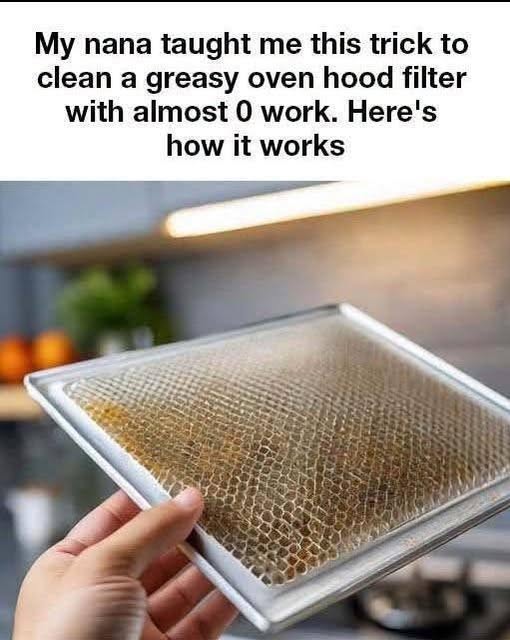
Learn the easiest way to clean a greasy oven hood filter using hot water, dish soap, and baking soda. Remove sticky grease, improve airflow, and keep your kitchen cleaner with this simple method.
A greasy oven hood filter is one of those kitchen problems that can seem difficult to fix. Over time, cooking oils, steam, and airborne food particles collect on the filter, leaving behind a sticky layer that attracts dust and traps unpleasant odors.
The good news? You usually don’t need expensive cleaning products or hours of scrubbing to remove that buildup. With a few everyday household supplies and the right technique, you can make a washable metal range hood filter much cleaner in less time.
Why Does Your Oven Hood Filter Get So Greasy?
Whenever you fry food, sauté vegetables, or cook with oil, tiny grease droplets travel through the air. Your kitchen hood pulls in some of these particles, and its filter catches grease before the air moves through the ventilation system.
Over time, the filter becomes coated with residue. If it isn’t cleaned regularly, the buildup can restrict airflow and reduce the hood’s effectiveness.
A clean filter helps your kitchen ventilation system work as intended and prevents excessive grease accumulation.
What You Will Need
You probably already have most of these items at home:
- Hot water
- Dishwashing liquid that cuts through grease
- Baking soda
- A large heat-safe basin or sink
- A soft cleaning brush or old toothbrush
- A microfiber cloth or clean towel
Important: Check your hood manufacturer’s instructions before cleaning. This method is intended for washable metal mesh or baffle filters, not charcoal filters that are designed to be replaced.
The Easiest Method to Remove Grease
Step 1: Turn Off the Hood and Remove the Filter
Switch off the range hood and allow the filter to cool completely if it has been exposed to heat.
Carefully release the filter according to the manufacturer’s instructions. Some filters slide out, while others have a small latch.
Handle the filter gently so you don’t bend the metal mesh or damage its edges.
Step 2: Prepare a Hot, Soapy Cleaning Solution
Fill a large basin or sink with hot water. Add a generous squirt of grease-cutting dishwashing liquid and stir until the water becomes soapy.
The water should be hot enough to help soften the grease but not so hot that it creates a burn risk. Avoid boiling water, particularly if you are unsure what materials or coatings the filter contains.
Step 3: Add Baking Soda for Stubborn Grease
Sprinkle approximately two to three tablespoons of baking soda into the water and mix it thoroughly.
Place the filter in the solution, making sure the greasy areas are submerged as much as possible.
Let it soak for around 15–20 minutes. If the filter is heavily soiled, it may need a longer soak or a second cleaning.
Baking soda can help loosen residue, while dishwashing liquid helps break up and lift away grease.
Step 4: Gently Scrub the Filter
After soaking, lift the filter out and inspect it.
Use a soft brush to clean the mesh, corners, and edges where grease tends to collect. Brush gently in the direction of the mesh rather than pressing hard against it.
For particularly stubborn areas, apply a little dishwashing liquid directly to the brush and work on the residue again.
Avoid steel wool, sharp tools, and abrasive scouring pads that could damage the filter.
Step 5: Rinse Thoroughly
Rinse the filter under warm running water until all the soap and loosened grease have washed away.
Hold it up to the light to check whether any greasy patches remain. If necessary, repeat the soaking and brushing process.
A filter that still feels slippery or has visible sticky deposits may need another round of cleaning.
Step 6: Let the Filter Dry Completely
Shake off excess water and place the filter on a clean towel or drying rack.
Allow it to dry fully before reinstalling it. Make sure the filter is seated securely in its original position before switching the hood back on.
Never operate the hood without its required filter installed.
What If the Grease Is Extremely Stubborn?
If ordinary dish soap and baking soda aren’t enough, try these options:
Repeat the soak: Fresh hot, soapy water can help loosen remaining deposits.
Use a suitable degreaser: Choose a product approved for your particular filter material and follow the label instructions.
Check whether it is dishwasher-safe: Some metal filters can be cleaned in a dishwasher, but others may discolor or become damaged. Follow the manufacturer’s guidance rather than assuming all filters are dishwasher-safe.
Avoid oven cleaner unless the manufacturer specifically approves it for the filter. Strong alkaline cleaners can damage aluminum and certain protective finishes.
Never mix cleaning products, especially bleach with ammonia or acidic cleaners.
How Often Should You Clean Your Hood Filter?
The ideal cleaning schedule depends on how often you cook and how much frying you do.
- Frequent frying: Check the filter weekly and clean it whenever grease buildup appears.
- Regular everyday cooking: Inspect it every two to four weeks.
- Occasional cooking: Check it monthly and clean it as needed.
These are general guidelines, so follow any cleaning schedule provided by the manufacturer.
A Simple Trick to Keep Grease From Building Up
The easiest filter to clean is one that never becomes excessively greasy.
Make a habit of checking the filter regularly instead of waiting until it becomes coated in thick, sticky residue. Cleaning it while the grease is still relatively fresh usually requires less effort.
You can also use lids on pans when appropriate, operate your hood while cooking, and leave it running briefly afterward according to the manufacturer’s recommendations.
Never spray cooking oil or other products onto the filter to make it appear cleaner. Such products can create additional buildup.
Frequently Asked Questions
Can I clean an oven hood filter with vinegar?
Vinegar is not usually necessary for grease removal. Dishwashing liquid and hot water are often more effective. Because vinegar can affect some metals and finishes, check the manufacturer’s instructions before using it.
Can I use baking soda without dish soap?
Baking soda may help loosen some residue, but dishwashing liquid is generally more useful for cutting through cooking grease. Using both can make cleaning easier.
Why does my filter still look dark after cleaning?
Dark discoloration may be permanent staining rather than grease. If the filter is clean to the touch, free of sticky residue, and undamaged, its appearance alone does not necessarily mean it needs replacing.
When should I replace the filter?
Replace a disposable charcoal filter according to the manufacturer’s schedule. A washable metal filter may also need replacement if it becomes damaged, badly corroded, or impossible to clean adequately.
Final Thoughts
Cleaning a greasy oven hood filter doesn’t have to be a difficult chore. For most washable metal filters, a soak in hot, soapy water, a little baking soda, and gentle brushing can help remove stubborn cooking residue.
The key is regular maintenance. A clean filter helps your kitchen hood perform effectively, reduces grease buildup, and makes your next kitchen cleanup easier.
Try this simple method the next time you notice a sticky filter, and always check your manufacturer’s instructions to ensure the cleaning method is safe for your particular model.