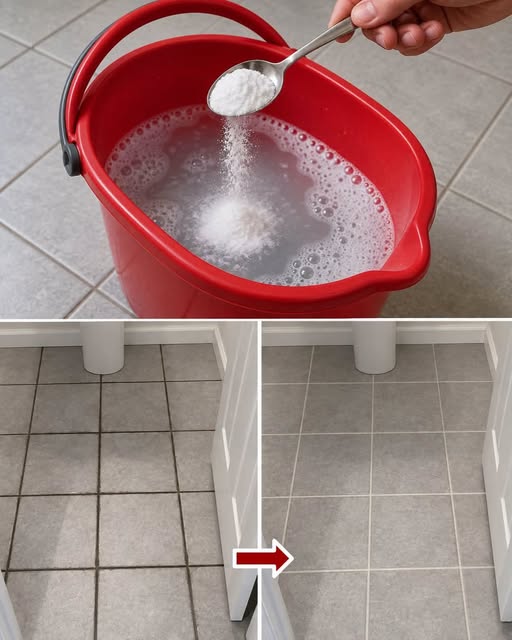
Learn how to remove black spots from floor grout using simple household cleaning methods. Discover how to tackle mold, mildew, and stubborn stains safely and keep grout looking clean.
Black spots between floor tiles can make even a clean room look dirty. They often appear in bathrooms, kitchens, laundry rooms, and other areas where moisture and dirt accumulate.
The good news is that many black grout stains can be removed with the right cleaning method. However, the best solution depends on whether the spots are caused by mold, mildew, embedded dirt, or deteriorating grout.
Here is how to tackle the problem step by step without unnecessarily damaging your floors.
Why Do Black Spots Appear on Floor Grout?
Grout is porous, which means it can absorb moisture and trap dirt. Over time, this can create dark discoloration.
Common causes include:
- Mold and mildew: Often develop in damp bathrooms or poorly ventilated areas.
- Dirt and grease: Frequently accumulate in kitchen grout and high-traffic areas.
- Soap residue: Can trap grime around showers and bathroom floors.
- Damaged grout: Cracked or deteriorating grout may retain moisture and become difficult to clean.
If the black spots repeatedly return, there may be an underlying moisture problem that needs attention.
Method 1: Clean Black Spots With Dish Soap and Warm Water
For ordinary dirt and light discoloration, start with the gentlest method.
What you need:
- Warm water
- A small amount of dishwashing liquid
- A soft nylon grout brush
- A clean cloth
Steps:
- Mix a little dish soap into a bowl of warm water.
- Apply the solution to the stained grout.
- Leave it for approximately five minutes.
- Gently scrub the grout with the nylon brush.
- Wipe away the loosened dirt and rinse with clean water.
- Dry the floor with a clean cloth.
This method is particularly useful for kitchen floors where grease and everyday dirt may be responsible for the dark marks.
Method 2: Use Baking Soda for Stubborn Dirt
Baking soda can help loosen some surface grime when used as a mild abrasive.
What you need:
- Baking soda
- Water
- A soft nylon brush
Steps:
- Mix baking soda with a small amount of water to create a thick paste.
- Spread the paste over the stained grout.
- Let it sit for about 5–10 minutes.
- Gently scrub the grout without applying excessive pressure.
- Wipe away the paste and rinse thoroughly.
- Dry the area and check the results.
This method may help with ordinary staining, but it will not reliably remove mold growing deep inside porous grout or solve the moisture conditions that allow mold to return.
Method 3: Use a Suitable Grout or Mold Cleaner
If black spots remain after gentle cleaning, consider a commercial grout cleaner or a product specifically labeled for mold and mildew on your type of tile and grout.
Before using it:
- Read the product label carefully.
- Check that it is safe for your tile and grout material.
- Ventilate the room and wear the protective equipment specified on the label.
- Test the product on a small, inconspicuous area.
- Apply it for the stated contact time.
- Rinse or wipe it away as directed.
Some products contain bleach, while others use different active ingredients. Never mix cleaning products. In particular, never mix bleach with vinegar, ammonia, toilet cleaner, or other cleaning chemicals, because dangerous gases can form.
Avoid acidic cleaners on natural stone, such as marble or limestone, unless the manufacturer specifically confirms they are safe.
What If the Black Spots Are Mold?
If the spots appear in a persistently damp area, have a musty smell, or return soon after cleaning, mold may be involved.
Cleaning the visible surface is only part of the solution. You should also:
- Repair leaking pipes or damaged seals.
- Improve bathroom ventilation.
- Dry wet floors after bathing.
- Check whether water is collecting beneath tiles or around the edges of the floor.
- Replace badly deteriorated grout or sealant when necessary.
If the affected area is extensive, keeps returning, or is associated with water damage, professional assessment may be necessary.
People with asthma, significant allergies, or weakened immune systems should take extra care around suspected mold and consider professional help rather than disturbing heavily contaminated material.
How to Prevent Black Spots From Returning
Keeping grout dry and removing dirt regularly can make a significant difference.
Clean weekly: Remove dirt and residue before they become deeply embedded.
Improve ventilation: Use an exhaust fan in the bathroom and allow damp areas to dry.
Wipe up spills: In kitchens, remove cooking grease and standing water promptly.
Inspect grout regularly: Repair cracks and damaged sealant that may allow moisture to penetrate.
Use grout sealer when appropriate: A compatible sealer can reduce moisture and stain absorption, but it does not replace cleaning or leak repairs.
When Should You Replace the Grout?
Cleaning may not be enough if the grout is crumbling, cracked, permanently discolored, or repeatedly affected by moisture.
In such cases, the damaged material may need to be removed and replaced after the underlying cause has been corrected. Simply covering stained grout with fresh grout or paint may conceal the problem without solving it.
Final Thoughts
Removing black spots from floor grout starts with identifying the cause. Dish soap and warm water are good first choices for ordinary dirt, while baking soda may help with some stubborn surface stains. For suspected mold, use an appropriate labeled cleaner and address the moisture problem.
The most important tip is to avoid mixing cleaning chemicals and to choose a method suitable for your particular tile and grout. With regular cleaning and good moisture control, you can keep grout cleaner and reduce the chances of black spots returning.