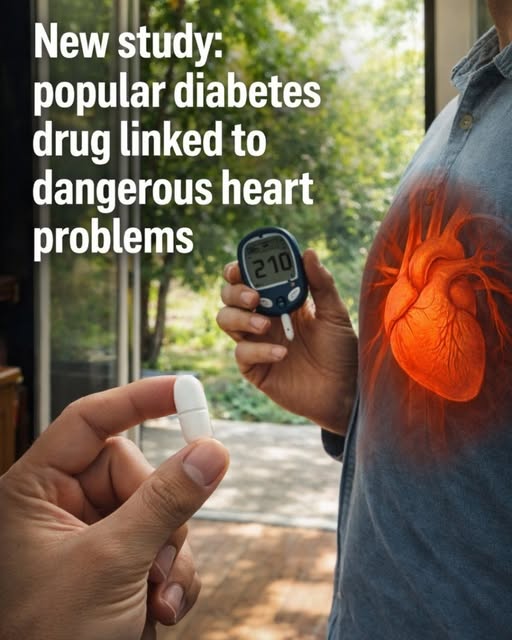
A large analysis involving more than 48,000 patients found that the diabetes drug rosiglitazone was associated with a 33% higher risk of a composite cardiovascular outcome. Learn what the study actually found, why the drug remains relevant, and what patients should know before changing medication.
A Massive Study of 48,000 Patients Found One Diabetes Drug Was Linked to a 33% Higher Cardiovascular Risk
A large analysis of clinical-trial data raised important concerns about the cardiovascular safety of rosiglitazone, a medication used to treat type 2 diabetes.
Researchers analyzed more than 130 trials involving over 48,000 adults who received rosiglitazone or a control treatment for at least 24 weeks. In the subset of 33 trials where individual patient-level data were available, researchers found a 33% higher risk of a composite cardiovascular outcome among people taking rosiglitazone compared with controls.
But there is an important distinction: the 33% figure was not simply a 33% increase in heart attacks alone. The composite outcome included heart attack, heart failure, cardiovascular death, and non-cardiovascular death.
What Is Rosiglitazone?
Rosiglitazone belongs to a class of diabetes medicines called thiazolidinediones (TZDs).
It helps lower blood glucose by improving the body’s sensitivity to insulin. However, concerns about cardiovascular safety have existed for years, particularly regarding heart failure.
The drug’s cardiovascular profile has therefore been treated differently from many newer diabetes medications.
What Did the 48,000-Patient Analysis Actually Find?
Researchers examined results from more than 130 randomized clinical trials containing more than 48,000 participants.
For the 33 trials with individual patient-level information, there were:
- 274 cardiovascular events among 11,837 rosiglitazone patients
- 219 events among 9,319 control patients
The analysis estimated a 33% increased risk of the composite cardiovascular outcome.
The researchers also found that the individual-patient data produced higher estimates for heart-attack risk than analyses based only on summarized trial data.
Why Is This Drug Still Available?
This is where headlines can become misleading.
A medication can have significant risks while still having medical uses. Regulators and clinicians weigh the potential benefits against risks, considering the patient’s condition, alternatives, dose, and other factors.
Rosiglitazone has also faced substantial restrictions and reduced use in some regions because of cardiovascular concerns.
Importantly, patients should not stop a diabetes medication on their own. Suddenly stopping treatment can cause blood glucose to rise and create its own health risks.
Heart Failure Is an Especially Important Concern
The cardiovascular issue isn’t limited to heart attacks.
Clinical guidance has specifically highlighted concerns about rosiglitazone and heart failure. The European Society of Cardiology guideline notes that thiazolidinediones are not recommended for people with diabetes and symptomatic heart failure.
This is particularly important because diabetes itself already increases the risk of developing heart failure.
What Should Someone Taking Rosiglitazone Do?
If you or someone you know currently takes rosiglitazone, don’t panic and don’t stop the medicine without medical advice.
Instead, ask the prescribing clinician:
- Why am I taking this medication?
- Is it still the best option for me?
- Do I have cardiovascular risk factors?
- Do I have symptoms or a history of heart failure?
- Are there alternative diabetes treatments appropriate for me?
- Should my treatment be reviewed?
Newer diabetes medicines include options with demonstrated cardiovascular benefits in appropriate patients. Guidelines have highlighted cardiovascular benefits from certain SGLT2 inhibitors and GLP-1 receptor agonists, depending on the patient’s circumstances.
Watch for Possible Heart-Failure Symptoms
People taking medications associated with fluid retention should seek medical advice if they develop symptoms such as:
- New or worsening shortness of breath
- Swelling of the legs or ankles
- Rapid unexplained weight gain
- Increasing difficulty breathing when lying down
- Unusual fatigue
These symptoms can have many causes, but they warrant medical evaluation.
The Bottom Line
The 48,000-plus-patient analysis was significant, but the headline needs context. The reported 33% increase referred to a composite cardiovascular outcome, not simply a 33% increase in heart attacks.
Rosiglitazone has known cardiovascular considerations, particularly concerning heart failure, which is why treatment decisions should be individualized.
If you take rosiglitazone, don’t stop it abruptly. Talk with your doctor about whether the benefits still outweigh the risks for you and whether another treatment would be more appropriate.