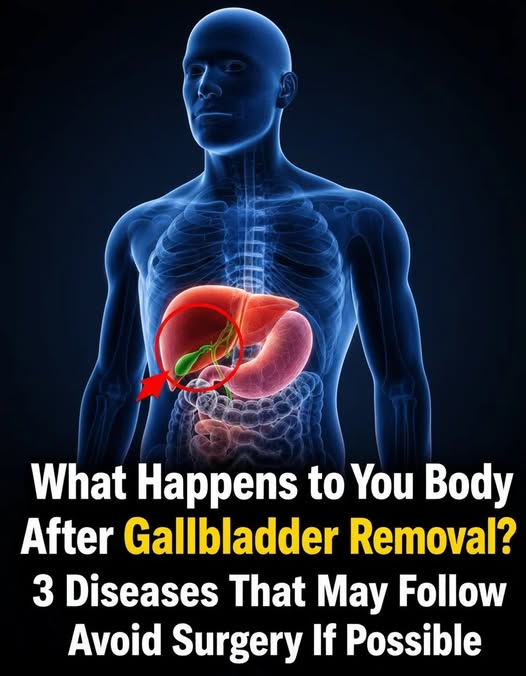
Gallbladder removal, medically known as cholecystectomy, is one of the most common abdominal surgeries. It is often recommended for people with recurrent gallstones, inflammation of the gallbladder, infections, or other complications.
For many patients, the operation provides significant relief and prevents more serious problems. However, removing the gallbladder can also change how bile moves through the digestive system, and some people experience symptoms afterward.
That is why it is important to understand both the benefits and possible complications before making a decision.
What Happens After the Gallbladder Is Removed?
The gallbladder stores and concentrates bile produced by the liver. When you eat, it normally releases bile into the small intestine to help digest fats.
After removal, the liver continues producing bile, but the bile flows more continuously into the intestine rather than being stored in the gallbladder.
Most people adjust well to this change. However, a minority develop digestive or other symptoms.
1. Diarrhea and Changes in Bowel Habits
One of the more common problems after gallbladder removal is diarrhea or looser stools.
Because bile can continuously enter the intestine, some people may experience increased bowel movements, urgency, bloating, or cramping—particularly after eating fatty meals.
For many people, these symptoms improve over time.
If diarrhea persists, a doctor can evaluate other possible causes and, in some cases, prescribe treatment that reduces the effects of excess bile acids in the intestine.
2. Bile Acid–Related Digestive Problems
Some people develop bile acid diarrhea, in which excess bile acids reach the colon and stimulate bowel movements.
Symptoms may include:
- Frequent loose stools
- Urgency to use the bathroom
- Abdominal cramping
- Bloating
- Symptoms that become worse after meals
This condition can sometimes be mistaken for irritable bowel syndrome or ordinary digestive sensitivity.
The good news is that bile acid–related symptoms can often be treated once the underlying cause is recognized.
3. Persistent Abdominal or Digestive Symptoms
Some patients continue experiencing abdominal discomfort, indigestion, nausea, bloating, or food intolerance after surgery.
This is sometimes referred to as post-cholecystectomy syndrome, although it is not one single disease.
Importantly, these symptoms don’t necessarily mean that removing the gallbladder was a mistake. They may have several possible causes, including bile-related problems, reflux, pancreatitis, retained or newly formed bile duct stones, or an unrelated digestive condition.
Persistent symptoms deserve medical evaluation rather than simply being blamed on the surgery.
Does This Mean You Should Avoid Gallbladder Surgery?
Not necessarily.
This is an important point.
If someone has uncomplicated gallstones without symptoms, surgery may not always be necessary. However, when gallstones cause repeated attacks, acute inflammation, infection, obstruction, pancreatitis, or other complications, doctors may recommend gallbladder removal because the risks of leaving the problem untreated can be greater than the risks of surgery.
Trying to avoid medically necessary surgery can sometimes lead to serious complications.
The right decision depends on why the surgery is being recommended, how severe the symptoms are, the patient’s medical history, and the risks of waiting.
If Surgery Has Been Recommended, Ask These Questions
Before agreeing to or refusing surgery, consider asking your doctor:
- Why exactly do I need the operation?
- Are my gallstones causing symptoms or complications?
- What could happen if I wait?
- Are there reasonable non-surgical options in my specific case?
- What complications could occur without treatment?
- What digestive symptoms should I expect afterward?
- How can I manage my diet during recovery?
Getting a second medical opinion can also be reasonable if you are uncertain about an elective operation.
What Can Help After Gallbladder Removal?
During recovery, many people find it easier to tolerate smaller meals and temporarily reduce very fatty or greasy foods.
A gradual return to a normal diet is usually preferable to unnecessarily restricting foods for a long period.
If you develop persistent diarrhea, severe abdominal pain, fever, jaundice, vomiting, or other concerning symptoms after surgery, contact your healthcare professional promptly.
Final Takeaway
Gallbladder removal can cause digestive changes in some people, including diarrhea, bile acid–related symptoms, and persistent abdominal discomfort. But these possibilities do not mean that gallbladder surgery should be avoided whenever possible.
For people with recurrent or complicated gallbladder disease, surgery may prevent much more serious problems.
The safest approach is not to automatically choose surgery—or automatically avoid it—but to understand why it has been recommended and what the alternatives and risks are in your particular situation.
Meta Description: Gallbladder removal can sometimes lead to diarrhea, bile acid–related symptoms, and ongoing digestive problems. Learn what may happen after cholecystectomy and when surgery may be necessary.