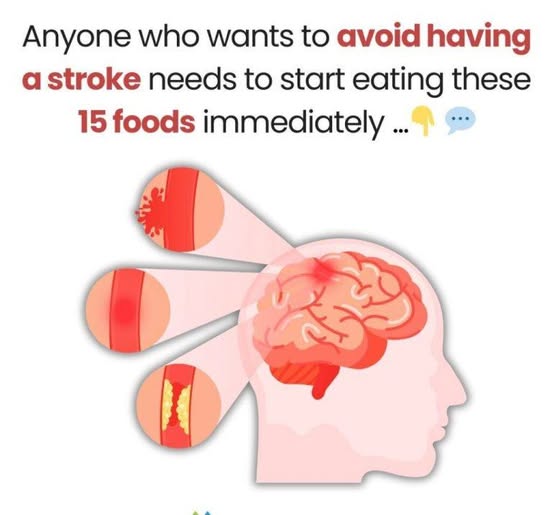
Discover 15 nutritious foods that may support heart and blood-vessel health and potentially reduce stroke risk when combined with a balanced diet, regular exercise, and healthy lifestyle habits.
Anyone Who Wants to Reduce Their Stroke Risk Should Know These 15 Foods
Stroke can happen when blood flow to part of the brain is interrupted or when a blood vessel in the brain bleeds. Although no single food can guarantee protection from a stroke, your overall eating pattern can play an important role in cardiovascular health.
A diet rich in vegetables, fruits, whole grains, legumes, fish, nuts, and other minimally processed foods can help support healthy blood pressure, cholesterol levels, blood sugar, and body weight—all important factors associated with stroke risk.
Here are 15 foods worth including in a balanced diet.
1. Leafy Green Vegetables
Spinach, kale, lettuce, and other leafy greens provide fiber, potassium, folate, and other nutrients. Regularly eating vegetables is associated with better cardiovascular health.
Try adding leafy greens to salads, soups, omelets, or sandwiches.
2. Berries
Blueberries, strawberries, raspberries, and blackberries contain fiber and antioxidant compounds. They can be an easy way to add more fruit to your diet without relying on highly processed desserts.
3. Oats
Oats are a good source of soluble fiber, including beta-glucan. Replacing refined breakfast foods with whole-grain options such as oatmeal can be part of a heart-healthy eating pattern.
Choose plain oats and add fruit, nuts, or seeds instead of large amounts of added sugar.
4. Fatty Fish
Salmon, sardines, trout, and mackerel provide omega-3 fatty acids and protein.
For many people, including fish regularly as part of a balanced diet can support cardiovascular health.
5. Beans and Lentils
Beans, chickpeas, and lentils provide plant protein, fiber, vitamins, and minerals.
They can also be used instead of some processed or high-saturated-fat foods, making them a useful part of a heart-friendly diet.
6. Nuts
Almonds, walnuts, pistachios, and other unsalted nuts provide healthy fats, fiber, and minerals.
Because nuts are calorie-dense, a small handful is generally enough for a snack.
7. Avocado
Avocados provide unsaturated fats, fiber, and potassium. They can be added to salads, whole-grain toast, or sandwiches.
8. Tomatoes
Tomatoes contain potassium, vitamin C, and beneficial plant compounds. Fresh tomatoes can easily be incorporated into salads, soups, sauces, and vegetable dishes.
9. Bananas
Bananas provide potassium and can be a convenient fruit option.
However, people with certain kidney conditions may need to monitor potassium intake, so individual medical advice is important.
10. Whole-Grain Bread
Choosing whole-grain bread instead of refined white bread can increase fiber intake.
Look for products where a whole grain is listed as a primary ingredient and avoid varieties that contain excessive added sugar or sodium.
11. Olive Oil
Extra-virgin olive oil contains predominantly unsaturated fat and is commonly used in Mediterranean-style eating patterns.
Use it in moderation as a replacement for some sources of saturated fat.
12. Oranges and Other Citrus Fruits
Oranges, grapefruit, lemons, and other citrus fruits provide vitamin C, potassium, and other nutrients.
Whole fruit is generally preferable to fruit juice because it contains more fiber and is less concentrated in naturally occurring sugar.
Important: Grapefruit can interact with certain medications, so check with a pharmacist or doctor if you regularly take prescription medicines.
13. Sweet Potatoes
Sweet potatoes provide fiber, potassium, and other nutrients. Baking or roasting them can be a nutritious alternative to heavily processed potato products.
14. Seeds
Flaxseeds, chia seeds, and pumpkin seeds provide fiber, minerals, and healthy fats.
Ground flaxseed can be added to oatmeal or yogurt, while chia seeds can be incorporated into smoothies or other foods.
15. Plain Yogurt
Unsweetened yogurt can provide protein and calcium. Some varieties also contain live cultures.
Choose plain versions and add fresh fruit if you want additional sweetness.
Foods to Limit
Preventing stroke isn’t only about adding healthy foods. It is also important to limit dietary factors associated with cardiovascular risk.
Try to reduce:
- Excessive sodium
- Processed meats
- Highly processed foods
- Foods high in saturated and trans fats
- Sugary drinks
- Excessive added sugar
- Excessive alcohol
A diet that emphasizes minimally processed foods can make it easier to control sodium, calories, and added sugars.
Other Ways to Reduce Stroke Risk
Food is only one part of stroke prevention. Important risk factors include high blood pressure, smoking, diabetes, high cholesterol, obesity, physical inactivity, and certain heart conditions.
Regular physical activity, not smoking, maintaining a healthy weight, getting appropriate medical checkups, and taking prescribed medications correctly can all be important.
Most importantly, don’t wait for symptoms before taking stroke risk seriously.
If someone suddenly develops facial drooping, weakness or numbness—especially on one side—speech difficulty, confusion, severe dizziness, or difficulty seeing or walking, seek emergency medical care immediately.
The Bottom Line
There is no magic food that can prevent a stroke, and you do not need to start eating all 15 foods immediately. Instead, focus on building a sustainable eating pattern rich in vegetables, fruits, whole grains, legumes, nuts, seeds, and other nutrient-dense foods.
Small dietary changes made consistently can be much more meaningful than relying on a single “miracle” ingredient.