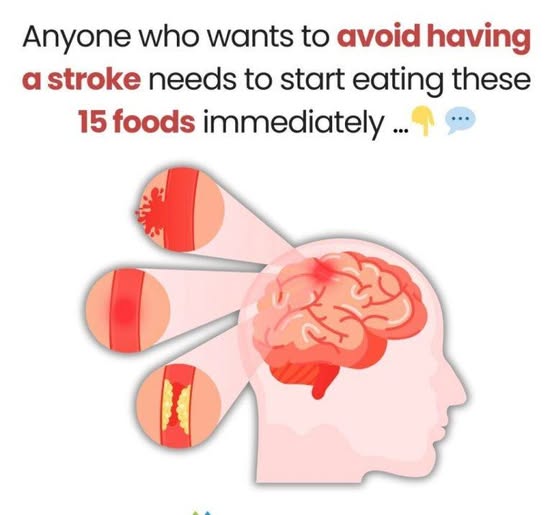
Discover 15 nutritious foods that may support heart and blood-vessel health and help lower stroke risk as part of a balanced, healthy diet.
Anyone Who Wants to Reduce Their Risk of Stroke Should Consider These 15 Foods
There is no single food that can completely prevent a stroke. However, your everyday eating habits can play an important role in supporting healthy blood pressure, cholesterol levels, blood vessels, and overall heart health.
A balanced diet rich in vegetables, fruits, whole grains, legumes, nuts, and healthy fats may help reduce several risk factors associated with stroke. Here are 15 nutritious foods worth including in your regular meals.
1. Leafy Green Vegetables
Spinach, kale, lettuce, and other leafy greens provide folate, potassium, fiber, and other nutrients. Adding a variety of greens to meals can support an overall heart-healthy eating pattern.
2. Berries
Strawberries, blueberries, raspberries, and blackberries contain fiber and antioxidant compounds. They are an easy addition to oatmeal, yogurt, smoothies, or a snack.
3. Oatmeal
Oats are rich in soluble fiber, including beta-glucan, which can help support healthy cholesterol levels. Choose plain oats and add fruit or nuts rather than relying on heavily sweetened varieties.
4. Fatty Fish
Salmon, sardines, trout, and other oily fish provide omega-3 fatty acids. Including fish as part of a balanced diet can support cardiovascular health.
5. Beans and Lentils
Beans, chickpeas, and lentils provide plant-based protein, fiber, and important minerals. They can be used in soups, salads, curries, and many other meals.
6. Avocados
Avocados provide unsaturated fats, fiber, and potassium. They can be added to salads, sandwiches, or whole-grain toast.
7. Nuts
Almonds, walnuts, pistachios, and other unsalted nuts provide healthy fats, fiber, and plant-based nutrients. Because they’re calorie-dense, a small handful is usually enough.
8. Seeds
Flaxseeds, chia seeds, and sunflower seeds can provide fiber, healthy fats, and minerals. Sprinkle them over oatmeal, yogurt, or salads.
9. Tomatoes
Tomatoes contain potassium, vitamin C, and antioxidant compounds. Fresh tomatoes can be added to salads, sandwiches, sauces, and vegetable dishes.
10. Oranges and Other Citrus Fruits
Oranges, grapefruit, lemons, and other citrus fruits provide vitamin C, potassium, and beneficial plant compounds. Whole fruit is generally preferable to fruit juice because it contains more fiber.
11. Bananas
Bananas are a convenient source of potassium and can be an easy addition to breakfast or a snack.
12. Whole Grains
Brown rice, whole-wheat bread, barley, quinoa, and other whole grains provide more fiber and nutrients than refined grains. Replacing some refined grains with whole grains can contribute to a healthier overall diet.
13. Olive Oil
Extra-virgin olive oil is rich in unsaturated fats and can be used instead of butter or other sources of saturated fat in many meals.
14. Sweet Potatoes
Sweet potatoes provide potassium, fiber, and other nutrients. Baking or roasting them is generally a healthier option than deep-frying them.
15. Plain Yogurt
Unsweetened yogurt can provide protein, calcium, and other nutrients. Choose varieties without large amounts of added sugar and pair them with berries or nuts for a balanced snack.
Foods to Limit for Better Heart Health
Adding nutritious foods is only part of the picture. It is also helpful to limit foods that are high in sodium, added sugars, saturated fats, and highly processed ingredients.
Too much sodium, for example, can contribute to high blood pressure, one of the major risk factors for stroke.
Final Thoughts
You don’t need to eat all 15 foods every day. Instead, focus on building a varied diet that regularly includes vegetables, fruits, whole grains, beans, nuts, seeds, fish, and other minimally processed foods.
And remember: no food can guarantee that you won’t have a stroke. Diet works alongside other important factors such as maintaining healthy blood pressure, staying physically active, avoiding tobacco, and following medical advice when needed.