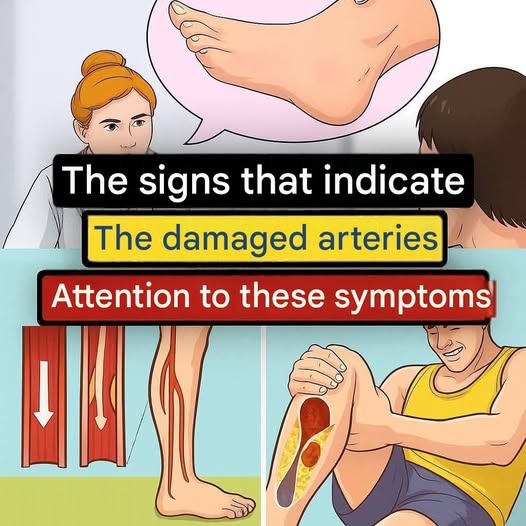
Discover 12 foods that may negatively affect heart health and circulation when eaten too often, plus healthier choices that can support cardiovascular wellness.
Healthy arteries are essential for delivering oxygen-rich blood throughout the body. Over time, certain dietary patterns—especially those high in saturated fat, trans fat, sodium, added sugar, and highly processed ingredients—may contribute to unhealthy cholesterol levels, inflammation, high blood pressure, and plaque buildup.
It’s important to clarify that no single food literally “clogs” an artery after one meal. The bigger concern is regularly eating foods that, as part of an overall unhealthy diet, can increase cardiovascular risk.
Here are 12 foods and food categories worth limiting if you want to support healthier arteries and circulation.
1. Processed Meats
Bacon, sausages, hot dogs, salami, and other processed meats can contain substantial amounts of saturated fat and sodium.
Eating them frequently may contribute to higher blood pressure and unfavorable cholesterol levels. Processed meats are best treated as occasional foods rather than everyday staples.
Try instead: Fresh chicken, fish, beans, lentils, or other minimally processed protein sources.
2. Deep-Fried Foods
French fries, fried chicken, fried snacks, and other heavily fried foods can be high in calories and unhealthy fats, depending on the cooking oil and preparation method.
Regularly eating large amounts of fried food may make it harder to maintain healthy cholesterol and body-weight levels.
Try instead: Baked, grilled, steamed, or air-fried versions.
3. Foods Containing Trans Fats
Artificial trans fats have been strongly associated with cardiovascular risk. They may still occur in some highly processed foods, although many countries have restricted their use.
Check ingredient labels for partially hydrogenated oils where applicable.
Try instead: Foods containing unsaturated fats, such as nuts, seeds, avocado, and olive oil.
4. Fatty Cuts of Red Meat
Beef, lamb, and other red meats can provide valuable nutrients and protein, but fattier cuts can contain significant amounts of saturated fat.
Eating large portions frequently may make it more difficult to maintain healthy LDL cholesterol levels.
Try instead: Leaner cuts, smaller portions, fish, poultry, beans, or lentils.
5. Butter and High-Fat Dairy
Butter, cream, full-fat cheese, and some other high-fat dairy products can be significant sources of saturated fat.
You don’t necessarily need to eliminate dairy completely. Portion size and the overall dietary pattern matter.
Try instead: Lower-fat dairy products or unsaturated-fat alternatives when appropriate.
6. Sugary Drinks
Soda, sweetened juices, energy drinks, and other beverages containing large amounts of added sugar can provide substantial calories without making you feel very full.
Frequent consumption can contribute to weight gain and metabolic problems, both of which can affect cardiovascular health.
Try instead: Water, unsweetened tea, or sparkling water without added sugar.
7. Pastries and Commercial Baked Goods
Cookies, doughnuts, cakes, packaged pastries, and similar foods can combine refined carbohydrates, added sugars, saturated fats, and large amounts of calories.
Eating them occasionally is different from making them a daily part of your diet.
Try instead: Fresh fruit, oatmeal, homemade whole-grain snacks, or small portions of less-processed desserts.
8. Salty Packaged Snacks
Chips, crackers, instant snack foods, and other heavily salted products can contribute substantial amounts of sodium.
Too much sodium can increase blood pressure in people who are sensitive to it, placing additional strain on the cardiovascular system.
Try instead: Unsalted nuts, fresh fruit, vegetables, or homemade snacks with less added salt.
9. Instant Noodles and Highly Processed Meals
Instant noodles and some ready-to-eat meals can be particularly high in sodium while providing relatively little fiber.
Eating them frequently may make it harder to maintain a balanced diet.
Try instead: Homemade noodle or rice dishes with vegetables, lean protein, and a controlled amount of salt.
10. Fast-Food Burgers and Similar Meals
Fast-food meals can combine several cardiovascular concerns at once: refined carbohydrates, saturated fat, sodium, large portions, and sugary beverages.
The occasional burger doesn’t automatically damage your arteries, but frequent large fast-food meals can contribute to an unhealthy overall dietary pattern.
Try instead: A smaller portion, grilled protein, extra vegetables, and water or an unsweetened drink.
11. Processed Cheese Products
Some processed cheese products can be relatively high in sodium and saturated fat.
This doesn’t mean all cheese needs to be avoided. The amount, type, and frequency of consumption are more important.
Try instead: Moderate portions of less-processed cheese alongside vegetables, whole grains, or other nutrient-rich foods.
12. Foods High in Added Sugar
Candy, sweetened cereals, desserts, sweet sauces, and other foods with large amounts of added sugar can contribute excess calories and may make maintaining a healthy weight more difficult.
Instead of focusing only on eliminating individual foods, look at your overall eating pattern.
Try instead: Whole fruits, plain yogurt with fruit, oats, nuts, and other minimally processed foods.
What Should You Eat for Better Heart Health?
Instead of simply creating a list of foods to avoid, build your meals around foods that support cardiovascular health.
Consider eating more:
- Vegetables and leafy greens
- Whole fruits
- Beans and lentils
- Whole grains
- Nuts and seeds
- Fish, particularly oily fish
- Lean poultry
- Low-fat or minimally processed dairy when suitable
- Foods rich in unsaturated fats
- Water instead of sugary drinks
A heart-friendly eating pattern is generally more important than completely eliminating one particular food.
The Bottom Line
There is no single meal that suddenly clogs your arteries. The greater concern is a long-term dietary pattern that regularly contains excessive saturated fat, trans fat, sodium, added sugar, and highly processed foods.
If you are concerned about cholesterol, blood pressure, circulation, or your risk of heart disease, speak with a healthcare professional. A doctor or registered dietitian can help you choose an eating pattern based on your individual risk factors and medical needs.