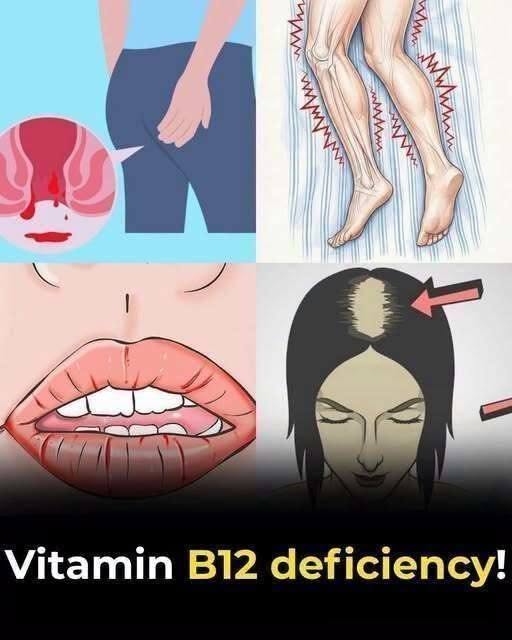
Discover the common signs of vitamin B1 deficiency, including fatigue, muscle weakness, nerve problems, and memory changes. Learn about causes, food sources, and when to seek medical advice.
Vitamin B1, also known as thiamine, is an essential nutrient that helps your body convert food into energy. It also supports normal nerve function, muscle activity, and heart health. Although the body needs only small amounts, a deficiency can cause significant health problems if it is not recognized and treated.
The early signs of low vitamin B1 can be subtle. Some people experience unusual tiredness, while others notice tingling in their hands and feet, reduced appetite, or difficulty concentrating. Because these symptoms can occur with many other conditions, recognizing them is important, but symptoms alone cannot confirm a deficiency.
1. Persistent Fatigue and Low Energy
One of the possible early signs of vitamin B1 deficiency is unusual tiredness.
Thiamine helps the body use carbohydrates to produce energy. When levels become too low, normal energy metabolism can be disrupted, potentially contributing to weakness and fatigue.
However, tiredness can also result from anemia, poor sleep, dehydration, thyroid disorders, and other health conditions.
2. Tingling or Numbness in the Hands and Feet
Vitamin B1 is important for healthy nerve function. A significant deficiency can damage peripheral nerves, causing symptoms such as:
- Tingling or pins-and-needles sensations.
- Numbness in the feet or hands.
- Burning sensations.
- Muscle weakness.
These symptoms should not automatically be attributed to a vitamin deficiency. Diabetes, nerve compression, and deficiencies of other nutrients can produce similar problems.
3. Muscle Weakness
Low thiamine levels may contribute to muscle weakness, particularly when nerve damage develops.
Some people may notice that walking, climbing stairs, or completing ordinary daily activities becomes more difficult.
Sudden weakness, especially on one side of the body, requires emergency medical attention rather than treatment with supplements at home.
4. Reduced Appetite and Digestive Problems
Vitamin B1 deficiency may be associated with reduced appetite, nausea, and digestive discomfort.
When appetite decreases, a person may eat less and receive fewer essential nutrients, potentially worsening an existing deficiency.
Persistent nausea, vomiting, or unexplained weight loss warrants medical assessment because many conditions can cause these symptoms.
5. Difficulty Concentrating or Memory Changes
Thiamine plays an important role in normal brain function. Severe deficiency can affect the nervous system and cause confusion, memory problems, and changes in mental alertness.
In severe cases, particularly among people with chronic heavy alcohol use or significant malnutrition, thiamine deficiency can lead to Wernicke encephalopathy, a medical emergency.
Sudden confusion, difficulty walking, or abnormal eye movements should be treated as urgent warning signs.
6. Mood Changes and Irritability
Some people with thiamine deficiency experience irritability, reduced motivation, or other changes in mood.
These symptoms are nonspecific and may also occur with stress, sleep deprivation, depression, and other nutritional deficiencies. A proper assessment is needed to determine the cause.
7. A Rapid or Unusual Heartbeat
Severe vitamin B1 deficiency can affect cardiovascular function. In a condition known as wet beriberi, people may develop a rapid heartbeat, swelling, and signs of heart failure.
Breathlessness, chest pain, fainting, or a rapid heartbeat accompanied by significant weakness or swelling requires prompt medical evaluation.
8. Swelling in the Legs or Feet
Swelling of the lower limbs can occur in severe thiamine deficiency when the cardiovascular system is affected.
However, swelling is not a specific sign of low vitamin B1. It may also be related to kidney, liver, heart, or vein problems.
New or unexplained swelling should be assessed by a healthcare professional, particularly if it occurs with breathlessness or reduced urine output.
What Causes Vitamin B1 Deficiency?
Possible causes include:
- A diet that consistently lacks thiamine-rich foods.
- Chronic heavy alcohol use.
- Conditions that interfere with nutrient absorption.
- Prolonged vomiting or severe malnutrition.
- Certain medical conditions or treatments that increase nutritional risk.
People with restricted diets or long-term digestive problems may need additional assessment.
Which Foods Contain Vitamin B1?
You can obtain thiamine from a variety of foods, including:
- Whole grains and fortified cereals.
- Pork.
- Beans and lentils.
- Sunflower seeds.
- Nuts.
- Some fish and other meats.
A varied diet can help most people meet their daily thiamine requirements.
How Is Low Vitamin B1 Diagnosed and Treated?
A healthcare professional may assess your diet, symptoms, medical history, and risk factors. Blood testing may be used when appropriate, although the choice of test depends on the clinical situation.
Treatment generally involves thiamine supplementation when deficiency is suspected or confirmed. People with severe symptoms or a high risk of serious deficiency may need urgent treatment, sometimes with thiamine given by injection.
Do not rely on food alone if a serious deficiency is suspected. Prompt medical treatment can be important in preventing lasting complications.
Final Thoughts
Persistent fatigue, tingling, muscle weakness, appetite changes, and neurological symptoms can sometimes occur with low vitamin B1. However, none of these symptoms proves that you have a deficiency.
Eating a balanced diet and seeking medical advice when symptoms persist are sensible first steps. Severe confusion, difficulty walking, breathing problems, or sudden neurological changes require urgent medical attention.