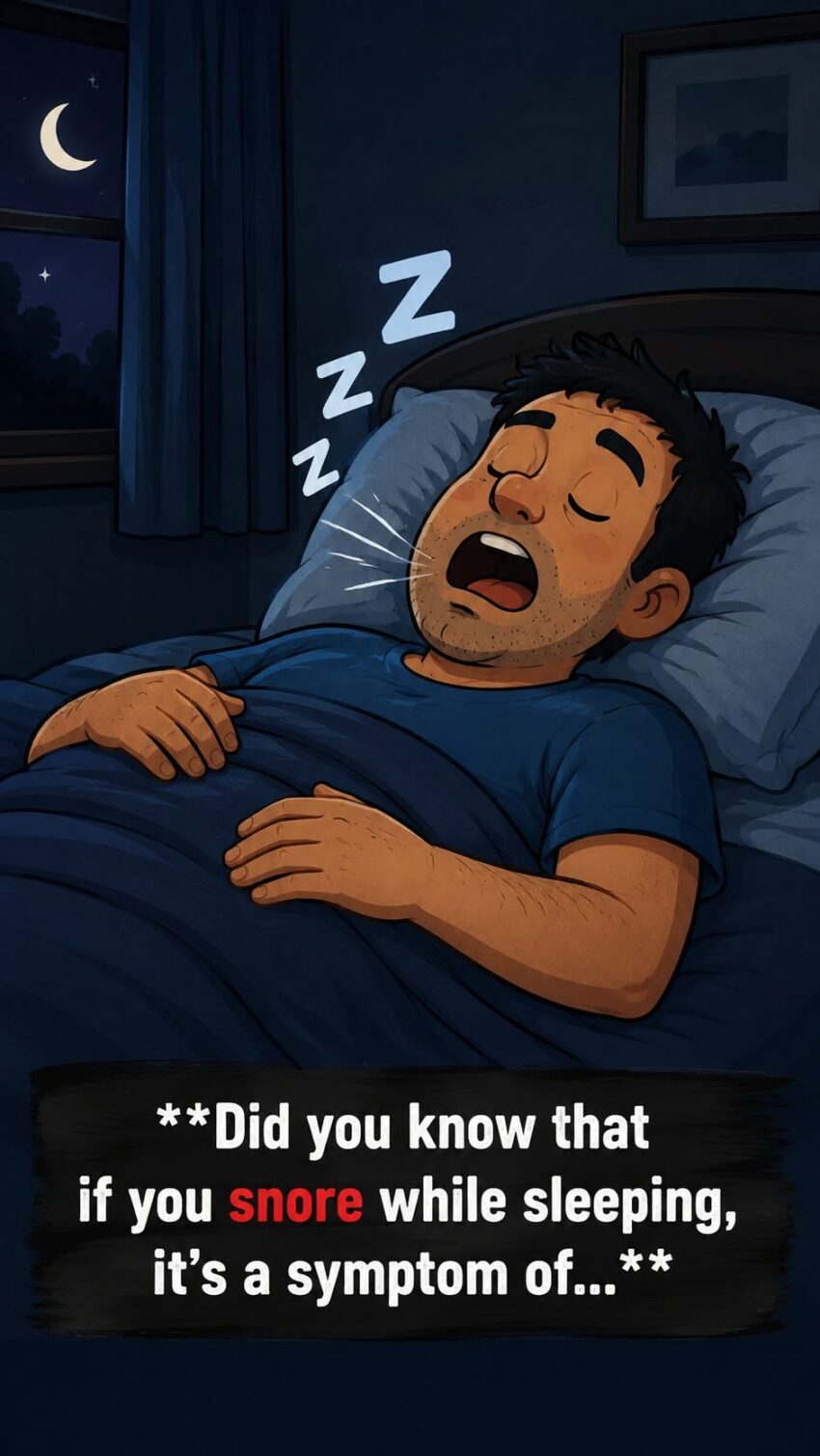
Snoring is common, but frequent or loud snoring can sometimes be linked to obstructive sleep apnea and other health issues. Learn when snoring is harmless and when it deserves medical attention.
Have you ever been told that you snore loudly while sleeping?
Occasional snoring is extremely common and doesn’t necessarily mean that something is wrong. It happens when air moving through the nose and throat causes relaxed tissues to vibrate during sleep.
But frequent, loud snoring—especially when accompanied by other symptoms—can sometimes be a warning sign of obstructive sleep apnea (OSA).
What Is Sleep Apnea?
Obstructive sleep apnea occurs when the upper airway repeatedly becomes narrowed or blocked during sleep.
When this happens, breathing can temporarily stop or become significantly reduced. The brain may briefly wake the person enough to reopen the airway, often without the person remembering it the next morning.
These repeated interruptions can disturb normal sleep and reduce the quality of rest.
Signs That Snoring May Need Attention
Snoring is more concerning when it occurs together with symptoms such as:
- Pauses in breathing noticed by a partner
- Gasping, choking, or snorting during sleep
- Waking with a very dry mouth
- Morning headaches
- Excessive daytime sleepiness
- Difficulty concentrating
- Feeling tired even after apparently sleeping for many hours
- Irritability or mood changes
A person with sleep apnea may not realize that their breathing is stopping during the night. Often, a spouse or family member notices it first.
Why Should Sleep Apnea Be Taken Seriously?
Untreated sleep apnea can affect sleep quality and is associated with several health problems, including high blood pressure and increased cardiovascular risk.
It can also make daytime sleepiness worse, which may become particularly dangerous while driving or operating machinery.
That’s why persistent loud snoring shouldn’t simply be dismissed if other symptoms are present.
Not Everyone Who Snores Has Sleep Apnea
This is important.
Snoring alone does not automatically mean you have sleep apnea.
Nasal congestion, sleeping on your back, alcohol, certain medications, excess weight, and the natural anatomy of the nose and throat can all contribute to snoring.
Some people snore without having significant interruptions in breathing.
What Can Help Reduce Snoring?
Depending on the cause, simple changes may help:
Sleep on Your Side
Some people snore more when sleeping on their backs. Side sleeping may help keep the airway more open.
Maintain a Healthy Weight
For people who are overweight, gradual weight loss may reduce snoring and improve sleep-disordered breathing.
Avoid Alcohol Close to Bedtime
Alcohol can relax the muscles of the upper airway and may make snoring worse.
Treat Nasal Congestion
If blocked nasal passages are contributing to snoring, addressing the underlying congestion may help.
However, persistent or severe snoring should not be treated only with home remedies without considering the possibility of sleep apnea.
When Should You Talk to a Doctor?
Consider speaking with a healthcare professional if your snoring is very loud, happens regularly, or is accompanied by choking, gasping, witnessed breathing pauses, or significant daytime sleepiness.
A doctor may recommend a sleep evaluation. Some people can be tested at home, while others may need an overnight sleep study.
The good news is that sleep apnea is treatable, and identifying it can make a major difference in sleep quality and overall health.
The Bottom Line
Snoring doesn’t always mean illness—but persistent loud snoring can sometimes be a clue that your airway is becoming blocked during sleep.
If someone has noticed that you stop breathing, gasp, or choke while sleeping, don’t ignore it.
Good sleep isn’t simply about how many hours you spend in bed. It’s also about whether you’re breathing normally throughout the night.
If you enjoy practical health information, helpful home tips, and delicious recipes, leave a “Thank you” in the comments so I know to keep sharing more!