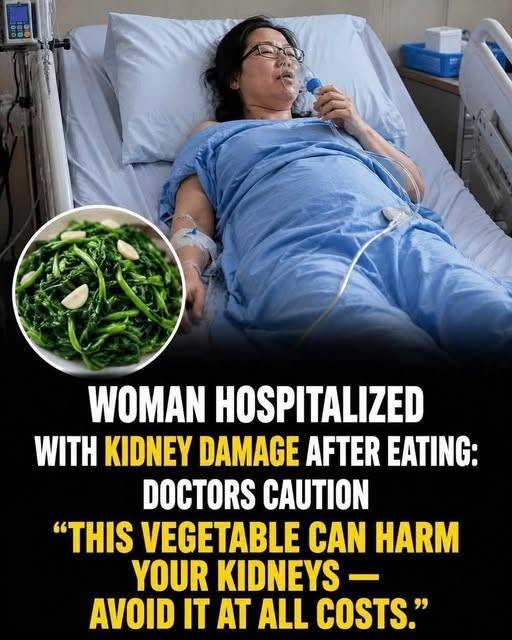
Some vegetables can become harmful when eaten raw, spoiled, or improperly prepared. Learn which vegetables need extra care, what makes them risky, and how to eat them safely.
Doctor Says “This Vegetable Is Poisonous… You Shouldn’t Eat It”
Vegetables are usually associated with healthy eating. They provide fiber, vitamins, minerals, antioxidants, and other nutrients that support overall health.
So when you hear someone say, “This vegetable is poisonous—never eat it,” it sounds alarming.
But the truth is more complicated.
Very few commonly eaten vegetables are simply “poisonous” under all circumstances. However, certain vegetables can contain naturally occurring compounds that may become harmful when the vegetable is eaten in large quantities, consumed in the wrong form, or prepared incorrectly.
Some vegetables also become unsafe when they are spoiled, damaged, or improperly stored.
Here are some important examples—and what you actually need to know.
1. Green Potatoes Can Be a Problem
Potatoes are a normal part of many diets, but potatoes that have turned green or developed significant sprouting can contain higher levels of glycoalkaloids, including solanine and chaconine.
These compounds can cause symptoms such as nausea, vomiting, abdominal discomfort, diarrhea, and headache when consumed in sufficiently high amounts.
The green color itself isn’t the toxin; it is a warning sign that the potato may contain elevated glycoalkaloid levels.
Don’t eat potatoes that are heavily green, bitter, badly damaged, or extensively sprouted. Store potatoes in a cool, dark, dry place to reduce unwanted changes.
2. Cassava Must Be Prepared Properly
Cassava, also known as yuca or manioc, is an important staple food in many parts of the world.
However, some varieties contain compounds that can release cyanide when improperly processed.
That doesn’t mean cassava is inherently unsafe. Proper peeling, preparation, and cooking methods can greatly reduce these compounds.
The important lesson is that certain traditional foods depend on proper preparation for safety.
Never experiment with eating raw or improperly prepared cassava.
3. Certain Wild Greens Can Be Dangerous
Not every plant that looks like an edible vegetable is safe to eat.
Wild plants can be particularly risky because several harmless-looking species have poisonous relatives or can be confused with toxic plants.
For this reason, don’t eat wild greens simply because they resemble a vegetable you already know.
If you forage for edible plants, identification should come from a reliable expert or established field guide—not from a random photograph or social-media post.
4. Raw Kidney Beans Are a Different Kind of Risk
Technically a legume rather than a vegetable, red kidney beans deserve a mention because they contain phytohaemagglutinin, a naturally occurring compound that can cause food poisoning when the beans are raw or inadequately cooked.
Symptoms may include severe nausea, vomiting, abdominal pain, and diarrhea.
Proper cooking destroys much of this compound.
This is one reason dried kidney beans should be soaked and then thoroughly boiled according to safe food-preparation guidance rather than being eaten raw or undercooked.
5. Spoiled Vegetables Can Also Make You Sick
Sometimes the danger isn’t a naturally occurring compound at all.
Fresh vegetables can become contaminated with harmful microorganisms during growing, harvesting, transportation, preparation, or storage.
Signs that a vegetable may no longer be safe include:
- Significant mold
- Unusual smell
- Slimy texture
- Extensive decay
- Unusual discoloration associated with spoilage
- Damaged areas that have spread considerably
When food is clearly spoiled, don’t try to “save” it by simply washing the surface.
Does Cooking Always Make a Dangerous Vegetable Safe?
No.
Cooking can reduce certain naturally occurring toxins, but it does not automatically make every unsafe food safe.
The correct preparation method depends on the food.
For example, proper cooking is important for foods such as kidney beans, while heavily green or badly spoiled potatoes are better discarded rather than relying on cooking to solve the problem.
This is why food safety recommendations should be based on the specific food and the specific risk.
Why Viral “Poisonous Vegetable” Warnings Can Be Misleading
Social media often turns a complicated food-safety issue into a dramatic headline:
“Never eat this vegetable!”
But such claims frequently leave out important details.
A food might be unsafe:
- In its raw form
- At extremely high quantities
- If improperly prepared
- If it has spoiled
- If the wrong plant variety is used
- For people with a particular allergy or medical condition
That is very different from saying the food is always poisonous.
In fact, many foods containing naturally occurring defensive compounds are perfectly safe when eaten normally and prepared appropriately.
How to Eat Vegetables More Safely
You don’t need to be afraid of vegetables. Instead, follow basic food-safety habits.
Wash fresh produce properly. Rinse vegetables under clean running water and remove visible dirt.
Store them correctly. Follow appropriate refrigeration and storage recommendations for foods that require them.
Cook foods that require cooking. Don’t assume that partially cooking a food is enough.
Avoid obviously spoiled produce. Moldy, rotten, or severely deteriorated vegetables shouldn’t be eaten.
Don’t eat unidentified wild plants. Familiarity with one plant doesn’t mean another similar-looking plant is safe.
Pay attention to preparation instructions. Some foods have specific traditional or scientifically established preparation methods for reducing naturally occurring harmful compounds.
The Bottom Line
The statement “this vegetable is poisonous” can be attention-grabbing, but it is rarely the complete story.
Some vegetables and plant foods can contain naturally occurring compounds that are harmful under certain circumstances. Others become risky because they are improperly prepared, contaminated, or spoiled.
The goal isn’t to fear vegetables. It’s to understand which foods require special preparation and which warning signs mean you should throw food away rather than take a chance.
When in doubt, don’t experiment with an unfamiliar plant or questionable food. Food safety is one area where a little caution can prevent a very unpleasant experience.