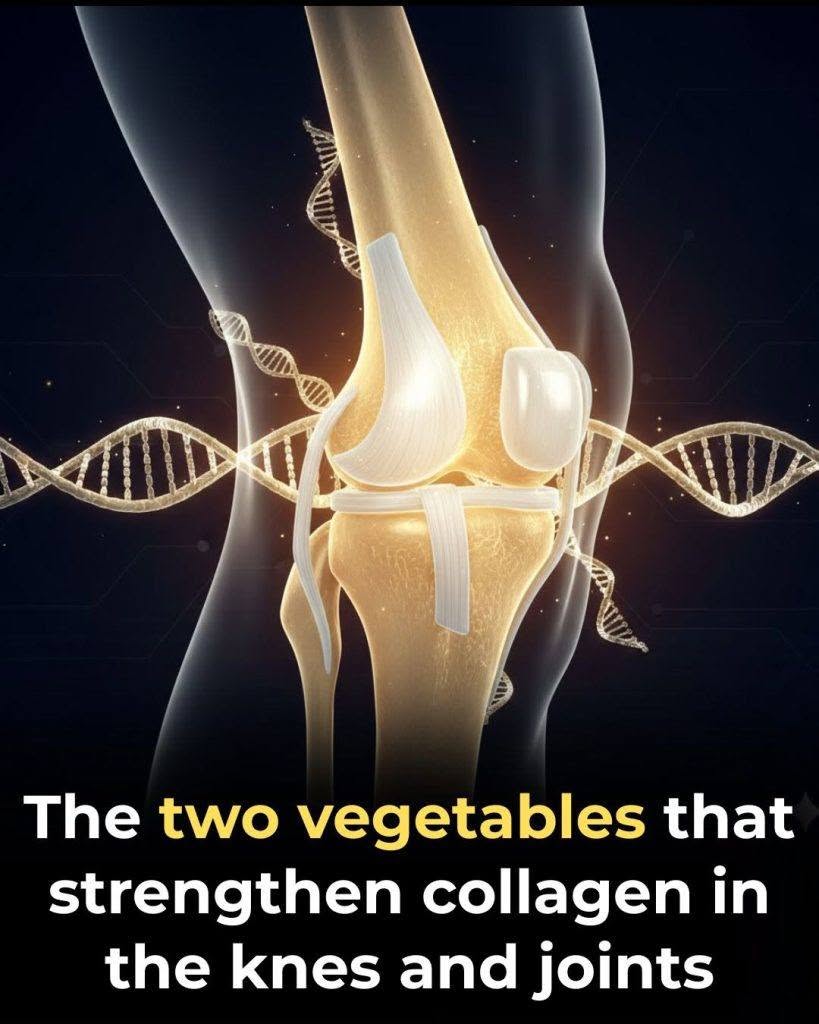
Discover two nutrient-rich vegetables that provide vitamin C and other nutrients involved in collagen production and overall joint health, plus simple ways to include them in your daily diet.
Joint stiffness and knee discomfort are common, particularly as we get older. While no single vegetable can rebuild damaged cartilage or cure arthritis, a nutritious diet can provide important vitamins and minerals needed for normal connective-tissue function.
Two Nutrient-Rich Vegetables That May Support Healthy Joints and Collagen Production
1. Bell Peppers
Bell peppers—especially red and yellow varieties—are excellent sources of vitamin C.
Vitamin C is essential for the body’s normal production of collagen, a structural protein found in skin, bones, cartilage and other connective tissues.
Why vitamin C matters
Your body needs vitamin C to produce collagen properly. Getting enough through food therefore supports normal connective-tissue maintenance.
Bell peppers also provide antioxidants and other nutrients that can contribute to an overall healthy diet.
Easy ways to eat more bell peppers
Try adding sliced peppers to:
- Salads
- Omelets
- Stir-fries
- Soups
- Sandwiches and wraps
- Roasted vegetable dishes
Eating them raw or lightly cooked can be an easy way to incorporate them into meals.
2. Broccoli
Broccoli is another nutrient-dense vegetable that can fit well into a joint-friendly eating pattern.
It provides vitamin C, along with vitamin K, folate, fiber and various plant compounds.
Vitamin C contributes to normal collagen formation, while a diet rich in vegetables helps provide the broad range of nutrients required for overall health.
Simple ways to enjoy broccoli
You can:
- Steam it as a side dish
- Add it to soups
- Roast it with other vegetables
- Mix it into stir-fries
- Add it to eggs or grain bowls
Try not to overcook vegetables, since prolonged cooking can reduce some water-soluble vitamins.
Can These Vegetables Rebuild Knee Cartilage?
This is where it is important to separate nutrition facts from exaggerated health claims.
Eating bell peppers or broccoli does not directly rebuild worn-out knee cartilage.
Collagen production is a complex biological process that requires adequate protein, vitamin C and other nutrients. Simply eating more of one food does not mean that new cartilage will grow in a damaged knee.
For people with osteoarthritis, dietary changes can support overall health and, when combined with appropriate weight management and physical activity, may form part of a broader approach to managing symptoms.
What Else Supports Healthy Joints?
A balanced diet is only one part of joint health.
Consider including:
Adequate protein
Protein supplies amino acids that the body uses to build and maintain tissues. Sources include fish, eggs, poultry, dairy products, beans, lentils, tofu and nuts.
Vitamin-C-rich foods
In addition to bell peppers and broccoli, vitamin C can be found in citrus fruits, strawberries, tomatoes and other fruits and vegetables.
Healthy fats
Foods containing unsaturated fats—such as olive oil, nuts, seeds and fatty fish—can be part of an overall heart- and joint-friendly eating pattern.
Regular movement
Strengthening the muscles surrounding the knee can help support joint function. Low-impact activities such as walking, cycling, swimming and appropriately prescribed strength exercises may be useful for many people with knee problems.
If exercise causes significant pain or swelling, speak with a healthcare professional or physical therapist about an appropriate program.
Don’t Ignore Persistent Knee Pain
Knee pain can have many causes, including osteoarthritis, injuries, bursitis, tendon problems and other conditions.
Seek medical evaluation if pain:
- Persists or progressively worsens
- Causes significant swelling
- Makes walking difficult
- Follows a significant injury
- Is accompanied by redness or warmth
- Causes the knee to lock or give way
A healthcare professional can determine the cause and recommend appropriate treatment.
The Bottom Line
Bell peppers and broccoli are excellent vegetables to include in a balanced diet because they provide vitamin C and other valuable nutrients. Vitamin C is necessary for normal collagen formation, but eating these vegetables should not be presented as a cure for arthritis or a way to directly regenerate knee cartilage.
Think of them as part of a bigger picture: a nutrient-rich diet, healthy body weight, regular physical activity and appropriate medical care can all contribute to maintaining healthy joints.
This article is for general educational purposes and does not diagnose or treat joint disease. Persistent or severe knee pain should be evaluated by a qualified healthcare professional.