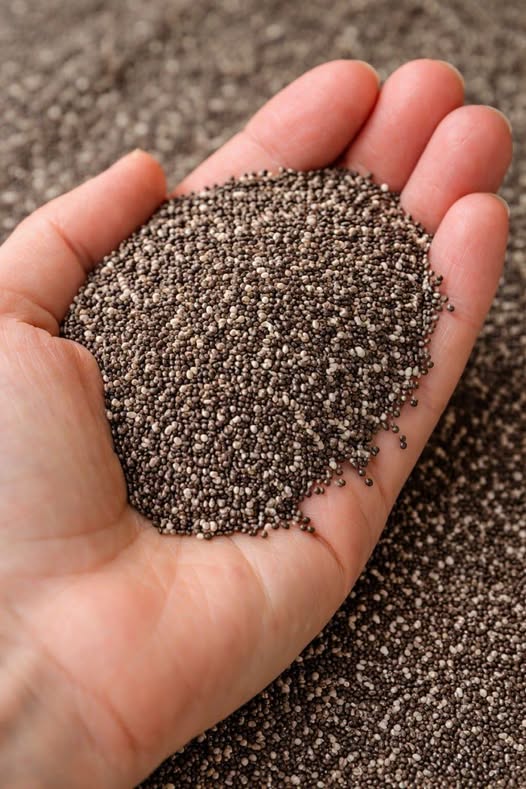
Chia seeds can be nutritious, but eating too much or consuming them incorrectly may cause bloating, constipation, choking risk, and other side effects.
Chia seeds have become a popular addition to smoothies, oatmeal, yogurt, and healthy desserts. They’re rich in fiber, plant-based omega-3 fatty acids, protein, and minerals, so it’s easy to understand why they’re considered a nutritious food.
However, more isn’t always better.
For some people, eating large amounts of chia seeds—or consuming them without enough liquid—can cause unpleasant side effects. Here’s what you should know before making chia seeds part of your daily routine.
1. Bloating and Gas
Chia seeds contain a significant amount of dietary fiber.
Fiber is beneficial for digestion, but if your body isn’t accustomed to a high-fiber diet, suddenly eating a large quantity may lead to:
- Bloating
- Gas
- Abdominal discomfort
- Changes in bowel movements
Tip: Start with a small amount and increase gradually while maintaining adequate fluid intake.
2. Constipation
It may sound surprising because chia seeds contain fiber, which generally supports regular bowel movements.
However, fiber works best when you’re also getting enough fluid.
Chia seeds absorb liquid and form a gel-like coating. Eating large quantities while not drinking enough fluids may leave some people feeling more constipated or uncomfortable.
3. Choking Risk
This is one of the most important precautions.
Don’t swallow large amounts of dry chia seeds by themselves.
Because they absorb liquid and expand, dry seeds can potentially cause an obstruction in the esophagus, particularly in people with swallowing difficulties.
A safer approach is to mix chia seeds into sufficient liquid or incorporate them into moist foods.
4. Diarrhea or Loose Stools
A sudden increase in fiber can have the opposite effect in some people.
If you eat considerably more chia seeds than you’re accustomed to, you may experience:
- Loose stools
- Urgency
- Cramping
- Increased bowel movements
If this happens, reduce the amount and increase fiber more gradually.
5. Abdominal Cramping
The combination of concentrated fiber and rapid dietary changes can cause stomach discomfort in sensitive individuals.
People with certain digestive disorders may be particularly sensitive to large amounts of fiber.
If chia consistently causes pain, don’t simply keep increasing the amount. Consider discussing your symptoms with a healthcare professional.
6. Possible Blood Sugar Effects
Chia seeds are low in digestible carbohydrates and high in fiber, and research suggests they may influence blood glucose responses.
For most people, this isn’t a reason to avoid them.
However, people taking diabetes medications should be aware that major dietary changes can affect blood glucose management.
Monitor your blood sugar as recommended by your healthcare professional rather than using chia seeds as a substitute for treatment.
7. Possible Blood Pressure Effects
Some research has explored whether chia seeds may have beneficial effects on cardiovascular risk factors, including blood pressure.
But if you’re taking medication for high blood pressure, don’t use large amounts of chia seeds with the expectation that they’ll replace your medication.
If you notice dizziness or unusually low blood pressure, speak with your healthcare professional.
8. Allergic Reactions
Chia seed allergy appears to be uncommon, but food allergies can occur.
Stop eating chia seeds and seek appropriate medical attention if you develop symptoms such as:
- Hives
- Swelling
- Wheezing
- Difficulty breathing
- Repeated vomiting
Difficulty breathing or swelling of the throat is an emergency.
9. Medication Considerations
Because chia seeds contain substantial amounts of fiber and may influence blood glucose and blood pressure, people taking certain medications should avoid assuming that “natural” means risk-free.
If you regularly take medications for:
- Diabetes
- Blood pressure
- Blood clotting
ask your doctor or pharmacist whether significant dietary changes involving chia seeds could affect your treatment.
How Much Chia Should You Eat?
There isn’t one universal amount that’s appropriate for everyone.
A practical approach is to start with around 1 tablespoon (about 12–15 g) per day, see how your digestive system responds, and increase only if comfortable.
Many people use approximately 1–2 tablespoons per day as part of a balanced diet, but your individual needs can differ.
Soak Them or Mix Them Into Moist Food
Rather than eating a spoonful of dry chia seeds, try:
- Chia pudding
- Yogurt with chia
- Oatmeal
- Smoothies
- Soups
- Overnight oats
This also makes them easier to incorporate into meals.
Who Should Be Especially Careful?
Talk with a healthcare professional before significantly increasing chia intake if you have:
- Difficulty swallowing
- A history of intestinal narrowing or obstruction
- Significant digestive problems
- Diabetes treated with medication
- Blood-pressure medication
- A known food allergy
The Bottom Line
Chia seeds are not inherently dangerous, and for most people they can be a nutritious part of a balanced diet.
The main issue is usually how much you eat and how you consume them.
Start gradually, drink adequate fluids, and avoid swallowing large quantities of dry seeds.
And remember: a healthy food doesn’t become healthier simply because you eat more of it. Moderation and variety are usually the better approach.