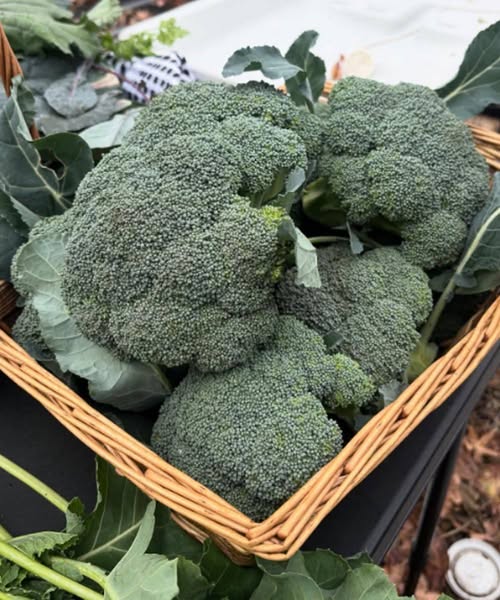
Doctors and nutrition experts explain what eating broccoli may do to your body, from digestion and heart health to its valuable vitamins, minerals, and plant compounds.
Doctors Reveal What Eating Broccoli May Do to Your Body
Broccoli has been a familiar part of healthy diets for decades, but this humble green vegetable contains far more than many people realize.
Packed with fiber, vitamin C, vitamin K, folate, and naturally occurring plant compounds, broccoli can be a nutritious addition to a balanced diet. But does eating it really have a dramatic effect on the body?
The answer is more interesting than a simple yes or no.
Broccoli does not act like a medicine, and eating it cannot guarantee protection from disease. However, its combination of nutrients and plant compounds may support several aspects of health when it is regularly included as part of an overall healthy eating pattern.
What Happens When You Eat Broccoli?
Broccoli belongs to the cruciferous vegetable family, alongside cauliflower, cabbage, Brussels sprouts, kale, and several other vegetables.
It contains fiber and a variety of vitamins, minerals, and phytochemicals.
One of the compounds that has attracted considerable scientific interest is sulforaphane, which can be produced from glucoraphanin in broccoli when the vegetable is chopped or chewed.
Researchers have investigated sulforaphane and related compounds for their potential biological effects, although laboratory findings should not be interpreted as proof that eating broccoli prevents or treats a particular disease.
1. It Can Support Digestive Health
Broccoli contains dietary fiber, which is important for normal digestion.
Fiber adds bulk to stool and can help support regular bowel movements. Some of the fiber also reaches the colon, where gut microorganisms can ferment certain types of fiber.
For people who do not eat many vegetables, gradually increasing broccoli and other high-fiber foods may be a useful way to improve overall dietary fiber intake.
However, suddenly eating a large amount can cause gas or bloating.
2. It Provides Vitamin C
Broccoli is a useful source of vitamin C.
Vitamin C contributes to normal immune function and is also involved in collagen production and antioxidant protection.
Regularly eating vegetables such as broccoli, peppers, tomatoes, and leafy greens can help contribute to overall vitamin C intake.
3. It Contains Vitamin K
Broccoli also provides vitamin K, a nutrient involved in normal blood clotting and bone metabolism.
People taking certain blood-thinning medications should not suddenly make major changes to their intake of vitamin-K-rich foods without discussing it with their healthcare professional.
The goal is generally consistency rather than completely avoiding nutritious vegetables.
4. It Can Help You Feel Full
Because broccoli contains fiber and has a relatively low energy density, it can add volume to meals without contributing a large number of calories.
Adding vegetables to meals may help people feel satisfied while maintaining a balanced overall diet.
For example, broccoli can be combined with chicken, eggs, beans, lentils, fish, or whole grains for a more complete meal.
5. Broccoli Contains Protective Plant Compounds
Cruciferous vegetables contain compounds called glucosinolates.
When these compounds are broken down during food preparation and digestion, they can produce biologically active compounds, including sulforaphane.
Scientists have studied these compounds extensively because of their potential effects on cellular pathways.
However, this does not mean broccoli is a cancer cure or that eating a certain amount will prevent cancer.
Cancer risk is influenced by many factors, including genetics, age, lifestyle, environmental exposures, and overall diet.
6. It May Support Heart-Healthy Eating
Broccoli can contribute to a heart-friendly diet because it provides fiber, potassium, vitamin C, and other nutrients while being relatively low in calories.
Replacing some heavily processed foods with vegetables can improve the overall nutritional quality of a diet.
The benefit comes from the broader dietary pattern rather than broccoli acting as a standalone treatment for high blood pressure or heart disease.
7. It May Support Healthy Weight Management
Broccoli is often useful in meals for people trying to manage their weight.
Its fiber and water content can add volume to a meal, helping create a feeling of fullness.
But eating broccoli alone does not cause weight loss.
Weight changes are influenced by total food intake, physical activity, sleep, hormones, medications, and numerous other factors.
Why Does Broccoli Sometimes Cause Gas?
This is one of the most common complaints about broccoli.
The same fiber and fermentable carbohydrates that can support the gut may also be broken down by intestinal bacteria, producing gas.
Some people are much more sensitive to this than others.
If broccoli causes discomfort, try:
- Eating a smaller portion
- Cooking it thoroughly
- Increasing fiber gradually
- Drinking enough water
- Eating it alongside other foods
People with certain digestive disorders may need individualized dietary advice.
Is Raw Broccoli Better Than Cooked Broccoli?
Not necessarily.
Both raw and cooked broccoli can be nutritious.
Cooking changes the texture and can affect some nutrients and plant compounds. Very prolonged cooking, particularly boiling in large amounts of water, can cause some water-soluble nutrients to leach into the cooking water.
Steaming, microwaving, roasting, or lightly sautéing can be convenient options.
The most important thing is choosing a preparation method that helps you eat vegetables regularly.
Can You Eat Broccoli Every Day?
For most healthy people, broccoli can be part of a daily diet if it is tolerated well.
But there is no need to eat broccoli every single day to benefit from vegetables.
A better strategy is variety.
Rotate broccoli with vegetables such as:
- Cauliflower
- Spinach
- Carrots
- Cabbage
- Bell peppers
- Green beans
- Tomatoes
- Cucumbers
- Leafy greens
Different vegetables provide different combinations of nutrients and plant compounds.
Who Should Be Careful With Broccoli?
Broccoli is generally safe as a food, but some people may experience digestive discomfort after eating it.
People taking medications affected by vitamin K should also discuss major dietary changes with their healthcare professional.
And if eating broccoli repeatedly causes severe abdominal pain, persistent diarrhea, significant bloating, or other concerning symptoms, it is worth discussing the symptoms with a medical professional rather than simply assuming broccoli is the cause.
The Bigger Picture
The most important thing to remember is that no single vegetable can transform your health overnight.
Broccoli is valuable because it can contribute fiber, vitamins, minerals, and beneficial plant compounds to an otherwise balanced diet.
Its potential benefits become more meaningful when broccoli is part of a larger pattern that includes a variety of vegetables, fruits, whole grains, legumes, healthy protein sources, and minimally processed foods.
Final Thoughts
So, what does eating broccoli actually cause?
For most people, it causes something much less dramatic than viral headlines suggest: a nutritious addition to the diet that can provide fibe