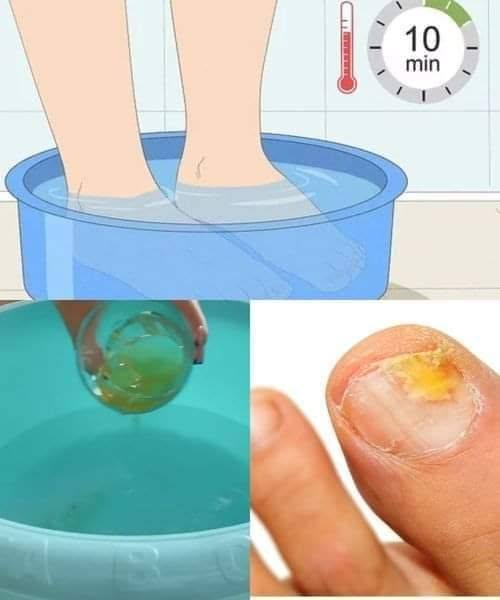
Nail fungus can cause thick, discolored, brittle or crumbly nails. Learn what actually helps treat fungal nail infections, why “instant cures” can be misleading, and when medical treatment may be needed.
Goodbye Nail Fungus? What Really Helps Treat Fungal Nails
Nail fungus can be frustrating. A nail may gradually become yellow, white or brown, thicker than normal, brittle, crumbly, or separated from the nail bed. Because the infection often develops slowly, many people look for remedies that promise to “destroy” fungus within seconds.
Unfortunately, there is no proven home remedy that reliably eliminates an established nail fungal infection within seconds.
What actually causes nail fungus?
Most fungal nail infections are caused by fungi called dermatophytes, although other types of fungi and yeasts can sometimes be involved.
The infection may begin as a small discoloration and gradually spread through the nail. Toenails are particularly vulnerable because fungi thrive in warm, damp environments.
Can nail fungus disappear overnight?
Usually, no. Even when treatment successfully kills the fungus, the damaged nail does not immediately return to normal.
That’s because the healthy nail has to grow out. Toenails grow slowly, so visible improvement can take months.
Treatments that may help
Treatment depends on how extensive the infection is and whether the diagnosis has been confirmed.
Topical antifungal medicines may be appropriate for some mild infections. They are applied directly to the affected nail and generally need to be used consistently for an extended period.
For more extensive infections, a healthcare professional may prescribe an oral antifungal medication. These medicines can be effective, but they aren’t suitable for everyone and may require medical assessment or monitoring.
Be careful with “instant” remedies
Be cautious about online claims that bleach, strong acids, household chemicals or other harsh substances can destroy nail fungus instantly. Applying irritating chemicals to the skin or nail can cause burns, irritation or tissue damage without necessarily eliminating the infection.
Natural ingredients aren’t automatically safer either.
How to reduce the chance of recurrence
You can help protect your nails by:
- Keeping feet clean and dry
- Changing socks regularly
- Wearing breathable footwear
- Avoiding sharing nail clippers or towels
- Disinfecting nail-care tools
- Wearing footwear in communal showers and changing rooms
- Treating athlete’s foot promptly if you have it
When should you see a doctor?
It’s worth getting medical advice if the nail is painful, the infection is spreading, several nails are affected, or treatment isn’t working.
People with diabetes, poor circulation or a weakened immune system should be especially careful with foot and nail problems and seek professional advice rather than relying on home remedies.
Bottom line: Nail fungus is treatable, but claims that it can be completely destroyed “in seconds” are misleading. The most effective approach is to confirm that the nail problem is actually fungal and then use an appropriate treatment consistently.