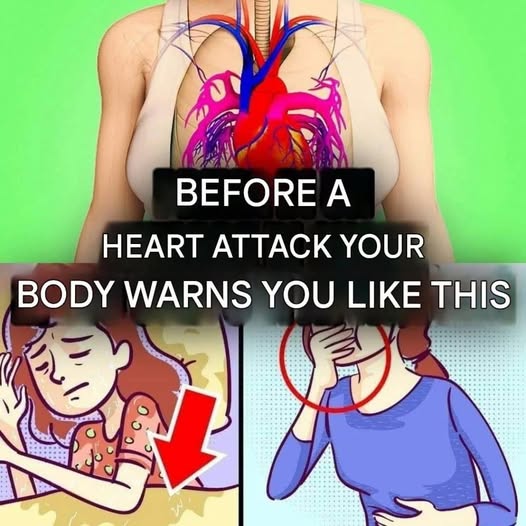
Learn 8 important heart attack warning signs, including chest discomfort, shortness of breath, unusual fatigue, nausea, and symptoms that may be subtle or easily overlooked.
A heart attack can happen suddenly, but the warning signs are not always as obvious as people expect. While many people associate a heart attack with severe chest pain, some experience shortness of breath, nausea, unusual tiredness, or discomfort in other parts of the body.
Recognizing these symptoms early and seeking emergency medical care can save a life. Not everyone experiences the same warning signs, and symptoms can vary between individuals.
1. Chest Pain or Pressure
Chest discomfort is one of the most common signs of a heart attack. It may feel like pressure, squeezing, tightness, heaviness, or fullness in the center of the chest.
The discomfort may last several minutes or disappear and return. Some people describe it as indigestion or an uncomfortable weight pressing against their chest.
What to remember: New, unexplained chest pressure—especially when accompanied by other symptoms—should never be ignored.
2. Shortness of Breath
Difficulty breathing can occur with or without chest pain. A person may feel unable to take a satisfying breath, become breathless during ordinary activities, or struggle to breathe while resting.
Shortness of breath can have many causes, but sudden or unexplained breathing difficulty may indicate a serious heart or lung problem.
If it occurs alongside chest discomfort, sweating, faintness, or nausea, seek emergency medical help immediately.
3. Pain Spreading to the Arm or Shoulder
Heart attack discomfort can spread beyond the chest. It may affect one or both arms, the shoulders, or sometimes the back.
The pain may feel like pressure, aching, heaviness, or an unusual discomfort rather than a sharp pain.
Do not assume that arm pain is harmless simply because the chest does not hurt. New arm or shoulder discomfort accompanied by breathlessness, sweating, or chest pressure requires urgent assessment.
4. Pain in the Jaw, Neck, or Back
Some people experience discomfort in the jaw, neck, upper back, or between the shoulder blades during a heart attack.
These symptoms can be mistaken for muscle strain, dental problems, or sleeping in an uncomfortable position.
Although most jaw or back pain is not caused by a heart attack, unexplained discomfort combined with other warning signs should be taken seriously.
5. Cold Sweating
Sudden cold sweating without an obvious reason can be a warning sign, especially when it occurs with chest discomfort, nausea, or dizziness.
A person may feel clammy, pale, or unusually sweaty even while sitting quietly in a cool room.
Sweating alone does not confirm a heart attack, but sudden cold sweats accompanied by other concerning symptoms warrant emergency medical attention.
6. Nausea, Vomiting, or Indigestion-Like Discomfort
A heart attack can sometimes cause nausea, vomiting, stomach discomfort, or a sensation similar to heartburn.
These symptoms may be mistaken for something eaten, acid reflux, or a stomach illness. Some people, including women, may experience less typical combinations of symptoms.
Persistent or sudden unexplained nausea becomes particularly concerning when accompanied by breathlessness, cold sweating, chest pressure, or unusual weakness.
7. Unusual Fatigue or Weakness
Unexplained exhaustion can occasionally occur before or during a heart attack. A person may feel unusually weak, struggle with routine tasks, or experience fatigue that seems out of proportion to their activity.
This symptom is not specific to heart disease and may have many other causes. However, sudden, severe, or unusual fatigue—particularly with other warning signs—should not be dismissed.
8. Dizziness or Feeling Faint
A heart attack may sometimes cause lightheadedness, dizziness, or a feeling that you might pass out. This can occur when the heart is unable to maintain adequate circulation.
Dizziness has many possible causes, including dehydration and low blood pressure. However, sudden dizziness combined with chest discomfort, shortness of breath, or cold sweating can indicate a medical emergency.
Fainting, severe weakness, or symptoms that begin abruptly require urgent evaluation.
What Should You Do If You Notice These Symptoms?
If you suspect a heart attack, call your local emergency service immediately. In Pakistan, Rescue 1122 is available in many areas.
- Stop physical activity and sit down in a comfortable position.
- Do not drive yourself to the hospital.
- Do not wait for symptoms to become severe or disappear on their own.
- Follow the emergency dispatcher’s instructions.
- If the person becomes unresponsive and is not breathing normally, begin CPR and use an AED if available, following emergency guidance.
Do not take aspirin unless an emergency professional or clinician advises it, particularly if you have an allergy, bleeding risk, or another reason it may be unsafe.
Can Heart Attacks Occur Without Severe Chest Pain?
Yes. Some heart attacks cause mild discomfort or symptoms that resemble indigestion, fatigue, or breathlessness. Others cause sudden, intense chest pain.
Symptoms can differ between men and women, and no single symptom pattern reliably rules out a heart attack. People with diabetes and older adults may also have less obvious symptoms.
Final Thoughts
Heart attacks are medical emergencies, and early treatment can reduce damage to the heart. Knowing these eight warning signs can help you recognize when something may be seriously wrong.
The most important rule: If you experience new or unexplained chest discomfort, breathing difficulty, cold sweating, or a combination of concerning symptoms, seek emergency medical help rather than waiting to see what happens.