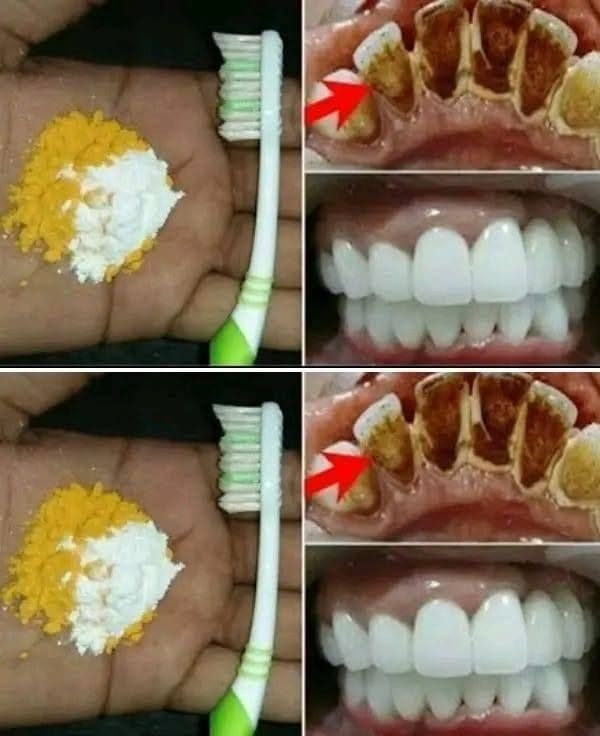
Want a brighter smile at home? Learn safe teeth-whitening tips, what can make teeth look brighter quickly, and which popular DIY remedies you should avoid.
Home Teeth Whitening: Can You Really Get Whiter Teeth in Just 2 Minutes?
A brighter smile can make you feel more confident, which is why home teeth-whitening tricks are so popular. Online, you’ll often see claims that you can make your teeth dramatically whiter in just two minutes using ingredients already sitting in your kitchen.
But there’s an important distinction between making teeth look cleaner temporarily and actually removing the stains that cause discoloration.
Some simple habits can make your smile look fresher quickly, but there isn’t a safe DIY method that can reliably transform naturally colored teeth into dramatically whiter teeth in only two minutes.
The good news is that there are safer ways to gradually brighten your smile at home.
Why Do Teeth Become Yellow?
Teeth naturally become less bright over time.
Several factors can contribute to discoloration, including:
- Coffee and tea
- Red wine
- Tobacco use
- Certain foods and drinks
- Poor oral hygiene
- Plaque buildup
- Natural aging
- Some medications
- Changes to the tooth enamel
It’s also normal for healthy teeth to have a slightly yellow or ivory appearance. Teeth aren’t naturally paper-white.
Sometimes what appears to be yellowing is simply the natural color of the dentin beneath the enamel.
What Can Make Teeth Look Brighter Quickly?
If your teeth look dull because of plaque or food residue, brushing properly can make your smile look cleaner.
Brush gently for about two minutes using a fluoride toothpaste.
Don’t scrub aggressively.
Hard brushing won’t necessarily make teeth whiter, and excessive pressure can damage the gums and contribute to enamel wear.
Flossing is also important because plaque between the teeth can make the smile look less clean.
What About Whitening Toothpaste?
Whitening toothpastes can help remove certain surface stains.
They generally work through mild polishing ingredients rather than dramatically changing the natural color of the tooth.
If coffee or tea has caused surface staining, consistent use of an appropriate whitening toothpaste may gradually improve the appearance of your teeth.
Follow the product instructions and choose a toothpaste that contains fluoride.
Be Careful With Baking Soda
Baking soda frequently appears in DIY whitening recipes.
While baking soda is used in some commercial toothpastes, applying abrasive mixtures directly to your teeth isn’t automatically safer or more effective.
Using abrasive substances too aggressively can contribute to enamel wear and gum irritation.
If you want to use a whitening product, a professionally formulated product is generally a better choice than experimenting with harsh homemade mixtures.
Don’t Use Lemon Juice or Vinegar
One of the most common online whitening tricks involves rubbing lemon juice, vinegar, or another acidic ingredient on the teeth.
This is not a good idea.
Acids can weaken and erode tooth enamel.
Once enamel is significantly worn away, it doesn’t simply grow back.
Ironically, enamel erosion can eventually make teeth appear more yellow, because the darker dentin underneath becomes more visible.
So a quick DIY whitening trick could end up creating a much bigger dental problem.
What About Hydrogen Peroxide?
Hydrogen peroxide is used as a whitening ingredient in some professionally formulated dental products.
That doesn’t mean household hydrogen peroxide should be applied to your teeth in random concentrations or homemade mixtures.
Incorrect use can irritate the gums and mouth.
If you’re considering a peroxide-based whitening product, follow its instructions carefully and avoid using stronger concentrations simply because you think they’ll work faster.
Why Professional Whitening Works Better
Professional whitening treatments use controlled concentrations of whitening agents and are designed with dental safety in mind.
Depending on your teeth and the type of discoloration, a dentist may recommend in-office whitening or a supervised take-home whitening system.
These approaches can provide more noticeable results than ordinary toothpaste or DIY methods.
A dental professional can also check whether discoloration is caused by something that whitening won’t fix.
Not Every Type of Stain Responds to Whitening
This is an important point.
Whitening products primarily work on certain types of discoloration.
Some stains are deeper within the tooth and may respond differently.
For example, discoloration caused by certain medications, dental trauma, or changes inside the tooth may require professional evaluation.
Dental restorations such as crowns, veneers, and fillings also don’t whiten in the same way as natural tooth enamel.
How to Keep Teeth Looking Whiter
You don’t need an aggressive whitening routine to maintain a brighter smile.
Brush regularly
Brush twice a day with fluoride toothpaste.
Clean between your teeth
Floss or use another appropriate interdental cleaning method daily.
Limit frequent staining drinks
Coffee, tea, cola, and other strongly colored beverages can contribute to surface staining.
Don’t smoke
Tobacco is a major contributor to tooth discoloration and can seriously affect oral health.
Maintain regular dental visits
Professional cleanings can remove plaque and tartar that ordinary brushing can’t completely eliminate.
A Simple Two-Minute Routine
If you have only two minutes and want your smile to look cleaner, keep it simple:
Brush gently for two minutes with a fluoride toothpaste.
Clean all tooth surfaces rather than concentrating only on the front teeth.
Then rinse your mouth and clean between your teeth as part of your normal oral-care routine.
This won’t magically change the natural color of your teeth in two minutes, but it can help remove plaque and leave your mouth feeling cleaner and fresher.
When You Should See a Dentist
If your teeth suddenly become discolored, develop a dark spot, become painful, or change color after an injury, don’t simply try to whiten them at home.
A dentist can determine what’s causing the discoloration.
You should also get professional advice if you have:
- Tooth sensitivity
- Bleeding or swollen gums
- Significant enamel wear
- Persistent tooth pain
- Cracked or damaged teeth
- Severe staining that doesn’t improve
Treating an underlying dental problem is more important than achieving a whiter shade.
Final Thoughts
The idea of getting dramatically whiter teeth in just two minutes sounds appealing, but healthy teeth don’t have a safe magic switch that instantly removes years of discoloration.
You can make your smile look cleaner quickly by brushing properly, but meaningful whitening generally takes consistent care or a properly formulated whitening treatment.
Most importantly, avoid harsh DIY methods involving acids or excessive abrasion. Protecting your enamel and gums should always come before chasing a brighter shade.
A healthy smile is more important than a perfectly white one.