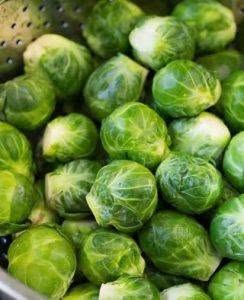
Do people actually eat Brussels sprouts? Discover why this nutritious vegetable gets mixed reactions, how to make it taste better, and easy Brussels sprout recipes worth trying.
Honestly, Does Anyone Here Actually Eat Brussels Sprouts?
Let’s be honest: Brussels sprouts have a reputation. For years, they were the vegetable many people pushed around their plate without wanting to take a bite.
But here’s the surprising part—when Brussels sprouts are prepared properly, they can be delicious.
The problem often isn’t the vegetable itself. It’s how it’s cooked.
Why Do Brussels Sprouts Get So Much Hate?
Brussels sprouts belong to the cruciferous vegetable family, along with broccoli, cabbage, and cauliflower.
Older cooking methods often involved boiling them for too long. This can make Brussels sprouts soft, watery, and strongly flavored.
Overcooking cruciferous vegetables can also produce sulfur-containing odors, which may explain some of their unpleasant reputation.
Modern cooking methods have changed the game.
Roasting Makes a Huge Difference
One of the easiest ways to make Brussels sprouts more appealing is to roast them at a high temperature.
Cut them in half, toss them with a little olive oil and seasoning, and roast until the outer leaves become browned and crispy.
The result is completely different from mushy boiled Brussels sprouts.
Why Are Brussels Sprouts Good for You?
Brussels sprouts are packed with nutrients while being relatively low in calories.
They provide:
- Vitamin C, which supports normal immune function
- Vitamin K, important for normal blood clotting and bone health
- Fiber, which supports digestive health
- Folate
- Potassium
- Various antioxidant and plant compounds
Like other cruciferous vegetables, Brussels sprouts contain glucosinolates, naturally occurring compounds that researchers have studied for their potential health benefits.
Easy Crispy Brussels Sprouts
Try this simple method:
Ingredients
- 1 pound Brussels sprouts
- 1–2 tablespoons olive oil
- Salt and black pepper
- Garlic powder
- Optional: grated Parmesan, lemon juice, or a small drizzle of balsamic glaze
Directions
- Wash the Brussels sprouts and remove any damaged outer leaves.
- Cut them in half.
- Pat them dry.
- Toss with olive oil, pepper, garlic powder, and a modest amount of salt.
- Arrange them cut-side down on a baking sheet.
- Roast at 425°F (220°C) until browned and tender, usually around 20–30 minutes depending on size.
- Finish with lemon juice or Parmesan if desired.
The key is getting those crispy, browned edges.
Other Ways to Enjoy Them
If roasting isn’t your thing, try:
Air-fried Brussels sprouts: Quick, crispy, and great as a side dish.
Sautéed Brussels sprouts: Slice them thinly and cook with garlic and olive oil.
Shaved Brussels sprout salad: Thinly slice raw sprouts and combine them with apples, nuts, cheese, and a light dressing.
Roasted Brussels sprouts with balsamic: Add a little balsamic vinegar toward the end of cooking for a sweet-tangy flavor.
So, Does Anyone Actually Eat Them?
Absolutely! Brussels sprouts have gone from one of the most disliked vegetables to a popular side dish in restaurants and home kitchens.
The difference may simply be preparation.
If you’ve only ever had boiled Brussels sprouts, don’t write them off yet. Try roasting or air-frying them until they’re browned and crispy.
You might discover that the vegetable you thought you hated was actually just poorly cooked.
Now be honest: Brussels sprouts—yes or no? 🥦