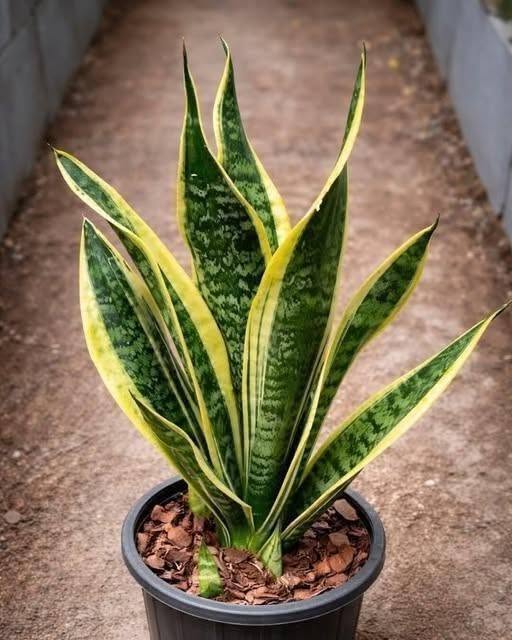
Have this common plant growing in your home or garden? Discover why certain household plants are valued for their beauty, traditional uses, and potential benefits—and what precautions you should know.
If you have a useful plant growing in your house or garden, you may have more than just a beautiful decoration. Many plants have been valued for generations for their fragrance, culinary uses, traditional remedies, or ability to brighten indoor spaces.
But before using any plant for health purposes, it is important to identify it correctly. Different plants can look remarkably similar, and some can be harmful if eaten or used incorrectly.
Why Household Plants Get So Much Attention
Plants can provide more than visual appeal. Depending on the species, they may contain naturally occurring compounds such as antioxidants and aromatic oils.
Some are commonly used in cooking, while others have traditional uses that have been passed down through generations.
However, traditional use does not automatically mean that a plant can treat or cure a medical condition.
The Plant Matters
A photograph or common name alone may not always be enough to identify a plant safely. Before consuming leaves, flowers, seeds, or roots, make sure you know the exact species and which parts are considered edible.
Never assume that a plant is safe simply because it is growing indoors or because someone online recommends it.
Keep Pets and Children in Mind
Some popular houseplants can be toxic to cats, dogs, or young children.
If you have pets or small children at home, research the plant’s safety and keep potentially harmful varieties out of reach.
A Simple Rule to Remember
If you have a plant in your home that you cannot confidently identify, don’t eat it or use it as a remedy until you have confirmed what it is.
The real treasure isn’t simply having a plant in the house—it’s knowing exactly what you’ve got and how to use it safely.
If you share a photo of the plant, I can help you identify what it is and explain its common uses and safety precautions.