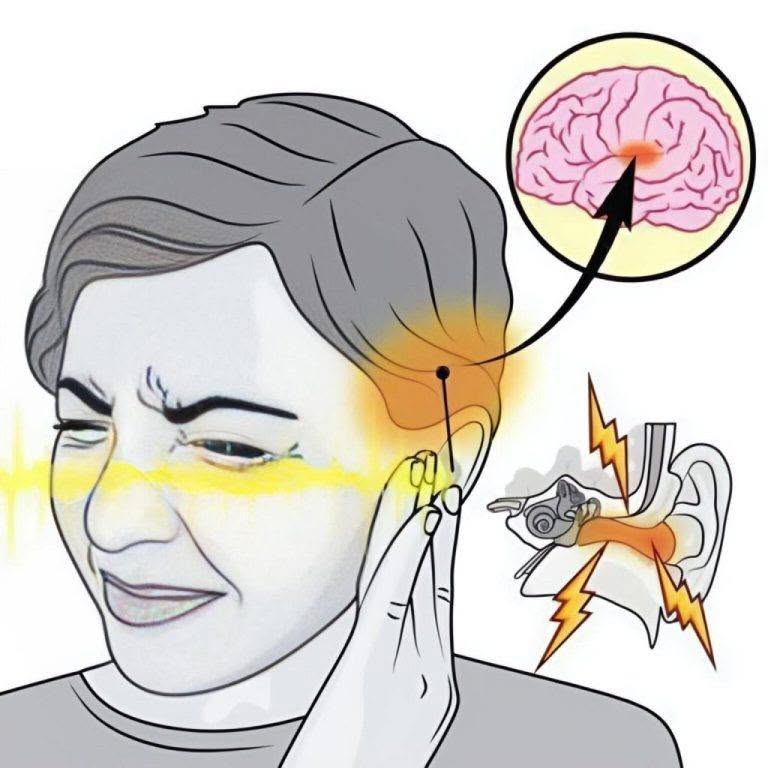
Hearing ringing in your ears is common and may have several causes. Learn what tinnitus can mean, when it may be concerning, and when to see a doctor.
If You Hear Ringing in Your Ear, This May Be a Sign of Something You Shouldn’t Ignore
Hearing a ringing, buzzing, humming, hissing, or whistling sound when there is no obvious external source is commonly known as tinnitus.
For some people, it lasts only a few seconds or minutes. For others, it can happen frequently or become persistent. While tinnitus is often not dangerous, it can sometimes be associated with an underlying hearing or health problem.
Importantly, ringing in your ear does not automatically mean you will suffer from a serious disease. The cause needs to be considered in context.
What Can Cause Ringing in the Ears?
Tinnitus can occur for many reasons, including:
- Exposure to loud music or machinery
- Age-related hearing changes
- Earwax buildup
- Ear infections or other ear problems
- Certain medications
- Hearing loss
- Head or neck injuries
- Problems involving the jaw
- Some blood-vessel or circulation-related conditions
Sometimes, no specific cause can be identified.
When Should You Be Concerned?
Occasional ringing that quickly disappears may not require medical attention.
However, you should consider seeing a healthcare professional if the ringing:
- Happens frequently or doesn’t go away
- Is becoming louder or more bothersome
- Occurs mainly in one ear
- Is accompanied by hearing loss
- Comes with dizziness or balance problems
- Started after an injury
- Sounds like it is beating in time with your heartbeat
A healthcare professional can examine your ears and hearing and determine whether further evaluation is necessary.
🚨 Sudden Hearing Loss Needs Urgent Attention
If ringing occurs together with sudden hearing loss, particularly in one ear, seek prompt medical evaluation. Sudden sensorineural hearing loss can require urgent treatment, and delaying evaluation may reduce the chance of recovery.
Similarly, tinnitus accompanied by severe dizziness, neurological symptoms, or other sudden concerning symptoms should be assessed urgently.
Can Tinnitus Predict a Stroke?
You may see social-media posts claiming that ringing in the ears is an early warning that a stroke is coming.
That claim is misleading.
Tinnitus by itself is not a reliable way to predict a stroke. Stroke symptoms more typically appear suddenly and can include facial drooping, weakness or numbness—especially on one side—difficulty speaking or understanding speech, sudden vision problems, severe dizziness, or difficulty walking.
If these symptoms occur, call your local emergency service immediately rather than waiting for the ringing or other symptoms to disappear.
What Can You Do About Persistent Ringing?
The best approach depends on the cause. A doctor or hearing specialist may check for hearing loss, earwax, infection, medication-related causes, or other conditions.
For people with persistent tinnitus, strategies such as sound therapy, hearing aids when hearing loss is present, and treatment aimed at reducing the distress associated with tinnitus may help.
Final Takeaway
Ringing in your ear doesn’t mean that you are destined to develop a serious illness. It is a symptom with many possible explanations.
But if the ringing is persistent, occurs in only one ear, beats with your pulse, follows an injury, or is accompanied by sudden hearing loss or neurological symptoms, don’t ignore it. Getting the cause evaluated is the safest approach.