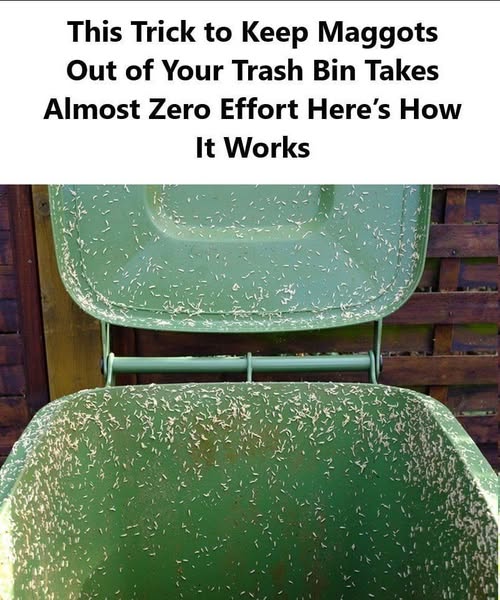
Opening your trash bin and discovering a mass of tiny white maggots can be one of the most unpleasant surprises around the house.
The good news is that maggots usually aren’t appearing out of nowhere. They are fly larvae, and finding them in your garbage generally means flies have found a suitable place to lay their eggs.
The key to preventing them is simple: reduce the food, moisture, and access that allow flies to reproduce.
Why Are There Maggots in Your Trash?
Adult flies are attracted to decomposing organic material, particularly meat, fish, dairy products, and other food waste.
A fly can lay eggs on suitable material, and under warm conditions those eggs can hatch relatively quickly.
Once the larvae have a food source, they can multiply rapidly.
This is why a bin that looked perfectly normal a few days ago can suddenly appear to be crawling with maggots.
1. Keep Food Waste Sealed
One of the easiest ways to prevent maggots is to make food scraps difficult for flies to reach.
Instead of throwing loose food directly into the garbage, place food waste in a securely tied bag.
Pay particular attention to:
- Meat scraps
- Fish
- Bones
- Leftover cooked food
- Dairy products
- Overripe fruit
- Pet food
The less exposed organic material there is, the less attractive the bin becomes.
2. Don’t Let Food Waste Sit for Too Long
Warm weather can make the problem worse.
If your garbage contains food scraps, don’t allow it to sit for days when you can avoid it.
Take the bag outside regularly, particularly during hot weather.
If your local waste service allows food scraps or organic waste to be separated for collection, use the appropriate container.
3. Keep the Lid Tightly Closed
A trash-bin lid is one of your simplest defenses.
Make sure it closes completely and isn’t being held open by an overfilled garbage bag.
If the lid is cracked or doesn’t fit properly, flies can easily access the contents.
A secure lid also helps reduce odors that attract insects.
4. Keep the Bin Dry
Moisture combined with food waste creates ideal conditions for flies and other pests.
Make sure garbage bags aren’t leaking.
If liquid collects at the bottom of the bin, clean it out rather than allowing it to remain there.
After washing the bin, let it dry thoroughly before putting a new liner inside.
5. Clean the Trash Bin Regularly
Even when you remove the garbage, food residue can remain inside the container.
Every so often, empty the bin completely and wash it with hot water and an appropriate household cleaner.
Pay attention to:
- The bottom
- The inside walls
- The lid
- The rim
- Areas around the handles
Allow the container to dry completely before using it again.
6. Freeze Certain Food Scraps
If you have a particularly troublesome food item—such as meat or fish scraps—you can sometimes place it in a sealed bag or container and freeze it until collection day, if this is practical and permitted by your local waste rules.
This can reduce odors and prevent flies from accessing the material.
7. Don’t Overfill the Bin
An overflowing trash can is much easier for flies to access.
Food may be exposed above the lid, and insects can land directly on the waste.
Keep the lid closed and leave enough space for it to seal properly.
8. Clean Up Around the Bin
Sometimes the problem isn’t only inside the garbage can.
Check the area around it for spilled food, leaking garbage bags, pet waste, or decomposing organic material.
Outdoor bins should ideally be kept away from doors and windows when possible.
Keeping the surrounding area clean reduces additional food sources for flies.
What If You Already Have Maggots?
Don’t panic.
First, remove the garbage bag and seal it securely.
Then clean the bin thoroughly.
You can wash the empty container with hot soapy water and an appropriate disinfecting or cleaning product according to its label.
Rinse and allow it to dry completely.
Never mix household cleaning chemicals, especially bleach with ammonia or acidic products, because dangerous gases can be produced.
If the infestation is unusually large or keeps returning even after the bin is cleaned, look for another source nearby or consider contacting a pest-control professional.
What About Pouring Boiling Water Into the Bin?
You may see advice online recommending boiling water as a quick way to kill maggots.
While heat can kill insects, pouring boiling water into a plastic trash bin isn’t always a good idea. It can damage or deform certain plastics and may create a burn hazard.
A safer approach is to remove the waste, clean the empty container, and prevent flies from accessing it again.
The Best Prevention Trick
The simplest strategy is to remember three things:
Food + moisture + flies = maggots.
Remove one or more of those conditions and the problem becomes much less likely.
Keep food waste contained, empty garbage regularly, keep the bin dry, and make sure the lid closes properly.
When to Look for a Bigger Problem
If maggots keep appearing even after you’ve cleaned your trash bin, don’t assume the bin itself is the source.
Check nearby areas for:
- Animal remains
- Pet waste
- Forgotten food
- Compost
- Leaking garbage
- Organic material under or behind containers
A persistent infestation can sometimes indicate a hidden source.
Final Thoughts
Maggots in the trash are unpleasant, but they’re usually a sign that flies have found an accessible food source—not a mysterious household problem.
With regular garbage removal, sealed food waste, a clean and dry bin, and a secure lid, you can greatly reduce the chance of seeing them again.
The easiest maggot problem to deal with is the one you prevent before flies have a chance to lay their eggs.