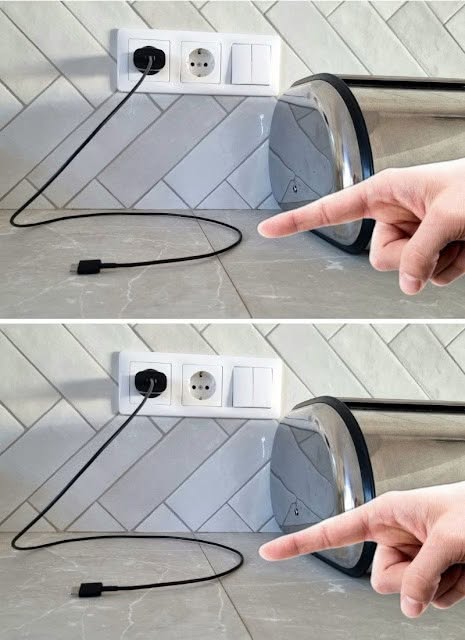
Is it really dangerous to leave a phone charger plugged in without a phone attached? Learn three practical reasons to unplug unused chargers and how to reduce electrical and fire risks at home.
Never Leave a Charger Plugged In Without Your Phone: 3 Reasons to Unplug It
Many people leave their phone charger plugged into the wall after removing their phone. It may seem harmless, especially when the charger isn’t actively charging anything.
Modern chargers are generally designed with safety features, but unplugging unused chargers is still a sensible household habit.
Here are three reasons why.
1. It Still Uses a Small Amount of Electricity
When a charger remains plugged into an outlet without a phone connected, it can continue drawing a small amount of standby electricity.
The amount used by a modern, efficient charger is typically very small, so one charger left plugged in isn’t likely to cause a dramatic increase in your electricity bill.
However, if you have many chargers and other electronics permanently connected, those small amounts can add up over time.
2. Damaged Chargers Can Become a Safety Risk
The bigger concern isn’t simply that a charger is plugged in—it’s the condition and quality of the charger.
A charger with damaged insulation, exposed wires, loose components, burn marks, overheating, or poor construction can present an electrical or fire hazard.
Check chargers regularly and replace damaged ones rather than continuing to use them.
3. Heat and Electrical Faults Are Worth Avoiding
A properly functioning, certified charger should normally remain relatively cool during standby.
However, faulty chargers, damaged cables, overloaded outlets, or poor-quality counterfeit products can behave differently.
Unplugging chargers when they’re not needed removes one unnecessary electrical device from the outlet and reduces the opportunity for a faulty device to overheat or malfunction.
What About Modern Phone Chargers?
It’s important not to exaggerate the danger.
A good-quality modern charger doesn’t automatically become dangerous simply because your phone isn’t connected. Many chargers are specifically designed to operate safely when nothing is plugged into their output.
The safest approach is to use reputable, appropriately certified chargers and replace any that show signs of damage.
Better Charging Habits
To make charging safer:
- Use the charger recommended by your phone manufacturer or a reputable certified alternative.
- Don’t use chargers with frayed or exposed wires.
- Keep chargers away from water and excessive heat.
- Don’t cover a charger while it’s operating.
- Avoid overloaded power strips and outlets.
- Unplug chargers when you’re finished using them, especially if you’ll be away for an extended period.
The Bottom Line
Leaving an unused charger plugged in isn’t necessarily an emergency, and a modern, high-quality charger typically consumes very little standby power.
But unplugging chargers when they’re not needed is a simple precaution, particularly if the charger is old, damaged, unusually hot, or of questionable quality.
The real danger isn’t an empty charging port by itself—it’s faulty equipment, damaged cables, poor-quality products, and unsafe electrical setups.