Learn simple ways to slow banana spoilage, reduce browning, and keep bananas fresh for longer with proper storage and preservation techniques.
No More Rotten and Black Bananas After a Few Days: Simple Methods to Keep Them Fresh Longer
Bananas are delicious, affordable, and easy to keep at home, but they can seem to go from perfectly yellow to brown and overripe in just a few days. Warm temperatures, humidity, and the natural release of ethylene gas all contribute to the ripening process.
Although no fresh-storage method can realistically keep bananas fresh for two years, there are several practical ways to extend their usable life considerably. The best method depends on whether you want to keep them fresh, freeze them, or preserve them for longer-term storage.
1. Keep Bananas Away From Other Fruit
Many fruits release ethylene gas, which speeds up ripening. Keeping bananas away from other ripening fruit can help slow the process.
If your bananas are already ripe, separating them from apples, pears, avocados, and other ethylene-producing produce may help them stay usable a little longer.
2. Store Them at Room Temperature
Unripe bananas are generally best kept at room temperature until they reach the ripeness you prefer.
Keep them somewhere dry and away from direct sunlight or sources of heat. Excessive warmth can speed up ripening.
3. Wrap the Stems
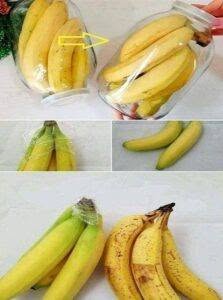
One popular household trick is to wrap the banana stems with plastic wrap or another suitable covering.
The idea is to reduce the amount of ethylene escaping from the stem area. While this may slow ripening somewhat, it isn’t a way to stop the process completely.
4. Refrigerate Ripe Bananas
Once bananas have reached the ripeness you like, refrigeration can slow further ripening.
The peel may turn dark or brown in the refrigerator, but the fruit inside can remain perfectly edible for longer. Don’t judge the condition of the banana by peel color alone.
5. Freeze Bananas for Long-Term Storage
If you have more bananas than you can eat, freezing is one of the most practical long-term options.
Peel ripe bananas, cut them into pieces, and place them in an airtight freezer-safe container or bag. Frozen bananas are especially useful for smoothies, banana bread, oatmeal, and desserts.
For best quality, use frozen bananas within a reasonable storage period rather than expecting them to remain like fresh bananas for years.
6. Don’t Wash Them Before Storage
Moisture on the peel can encourage mold growth. If you wash bananas, dry them thoroughly before storing them.
It’s generally better to wash produce when you’re ready to use it rather than storing it wet.
7. Use Overripe Bananas Instead of Throwing Them Away
A banana with a heavily spotted or dark peel isn’t necessarily rotten. If the inside smells normal and doesn’t show signs of mold or unusual spoilage, it may still be excellent for cooking.
Try using overripe bananas in:
- Banana bread
- Smoothies
- Pancakes
- Muffins
- Oatmeal
- Homemade frozen desserts
Can Bananas Really Last for 2 Years?
Not as fresh bananas.
Claims that a simple household trick can keep fresh bananas in their original condition for two years should be treated with skepticism. Freezing or properly preserving bananas can extend their storage life substantially, but fresh bananas naturally continue to change over time.
If you see mold, a fermented or unusual smell, leaking liquid, or other clear signs of spoilage, discard the banana.
Final Thoughts
The easiest way to reduce banana waste is to buy only what you can use within a reasonable period and adjust your storage method as the bananas ripen.
Keep unripe bananas at room temperature, refrigerate ripe ones when appropriate, and freeze extras when you know you won’t eat them soon. These simple habits can help you enjoy your bananas longer without relying on unrealistic “two-year” freshness claims.