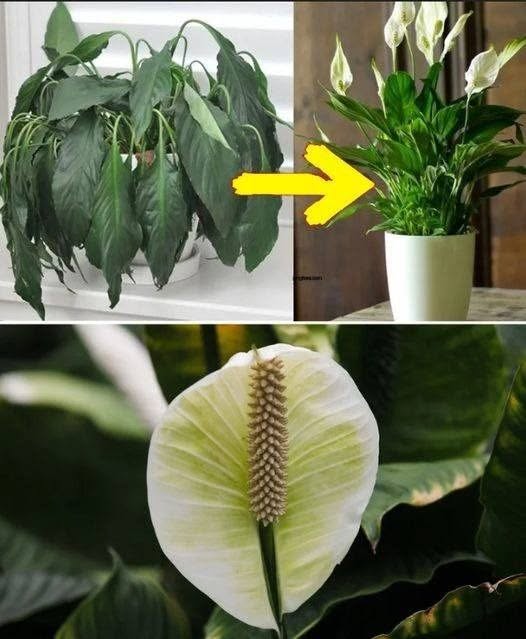
Discover what happens when you add a tablespoon of a household ingredient to your plants. Learn which natural plant remedies may help growth, when to use them, and what mistakes to avoid.
Place a Tablespoon on Any Plant at Home: What to Expect
Have you ever wondered whether a simple ingredient in your kitchen could help your houseplants grow healthier and greener? Many gardening enthusiasts experiment with household ingredients to improve soil quality, support plant growth, and give their plants a little extra care.
The idea of adding just one tablespoon of something to a plant sounds easy, inexpensive, and appealing. However, the results depend entirely on what you add, the type of plant, and the condition of the soil.
What Happens When You Add a Tablespoon to a Plant?
A tablespoon of the right gardening ingredient may help support plant health, but not every household substance is suitable for every plant.
For example, some gardeners use small amounts of compost or diluted organic fertilizers to provide nutrients. These materials can help plants when used correctly, especially if the growing medium lacks essential nutrients.
On the other hand, adding an unsuitable substance can damage roots, alter soil pH, or encourage unwanted insects and mold.
Three Common Ingredients Gardeners Use
1. Compost
Well-decomposed compost can improve soil structure and supply a range of nutrients. A small amount mixed into suitable potting soil may benefit some plants, although a tablespoon alone is unlikely to produce a dramatic change.
2. Coffee Grounds
Used coffee grounds contain organic matter and small amounts of nutrients. However, they are not a miracle fertilizer, and thick layers on the soil can encourage mold or interfere with water movement. If you use them, do so sparingly and preferably compost them first.
3. Epsom Salt
Epsom salt contains magnesium and sulfur, but it is not a universal plant food. It is useful only when a plant has a relevant nutrient deficiency or a demonstrated need. Adding it unnecessarily can increase the salt content of the growing medium and harm the plant.
How to Help Your Houseplants Grow Better
Instead of relying on an unverified kitchen trick, follow these simple steps:
- Check the soil: Water when appropriate for the plant rather than following a fixed daily schedule.
- Provide suitable light: Some plants need bright indirect light, while others tolerate lower-light conditions.
- Use well-draining soil: Roots need both moisture and access to oxygen.
- Choose the right fertilizer: Use a product suitable for the plant species and follow its label directions.
- Inspect leaves regularly: Yellowing, wilting, and brown edges may indicate problems with watering, light, pests, or nutrients.
When Should You Expect Results?
There is no universal timeline. A plant that receives the nutrients it needs may gradually develop healthier leaves or new growth over several weeks. A plant that is already healthy may show no noticeable difference at all.
Avoid adding more of an ingredient simply because you do not see immediate results. Excessive fertilizer or mineral salts can damage roots and make existing problems worse.
Final Thoughts
A tablespoon of the right ingredient can be part of a sensible plant-care routine, but there is no single household remedy that works for every plant. Healthy growth depends on proper watering, light, soil, and balanced nutrition.
The most important question is: a tablespoon of what? Sugar, baking soda, coffee grounds, and fertilizer all have different effects. Identify the ingredient before trying the trick, and you will be much more likely to help your plants rather than accidentally harm them.